
Last updated November 25, 2026
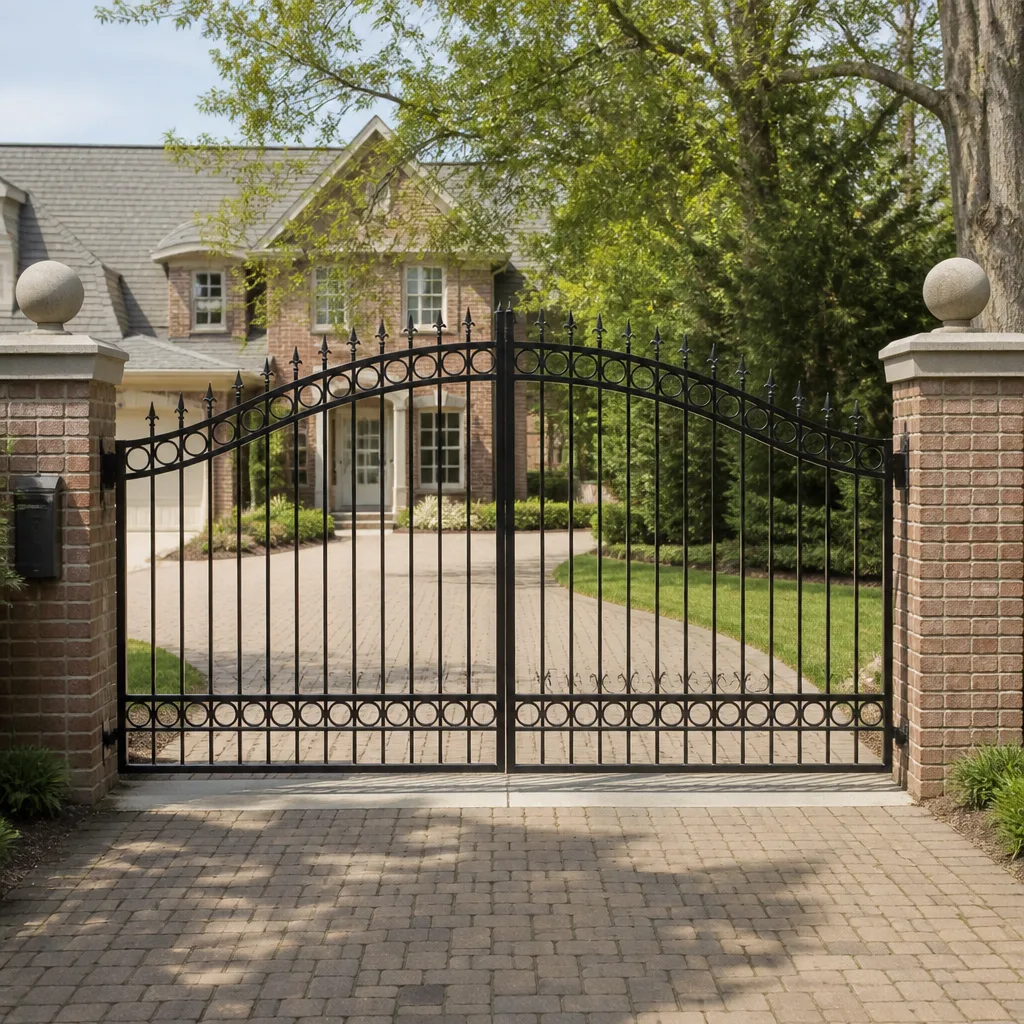 Wrought iron
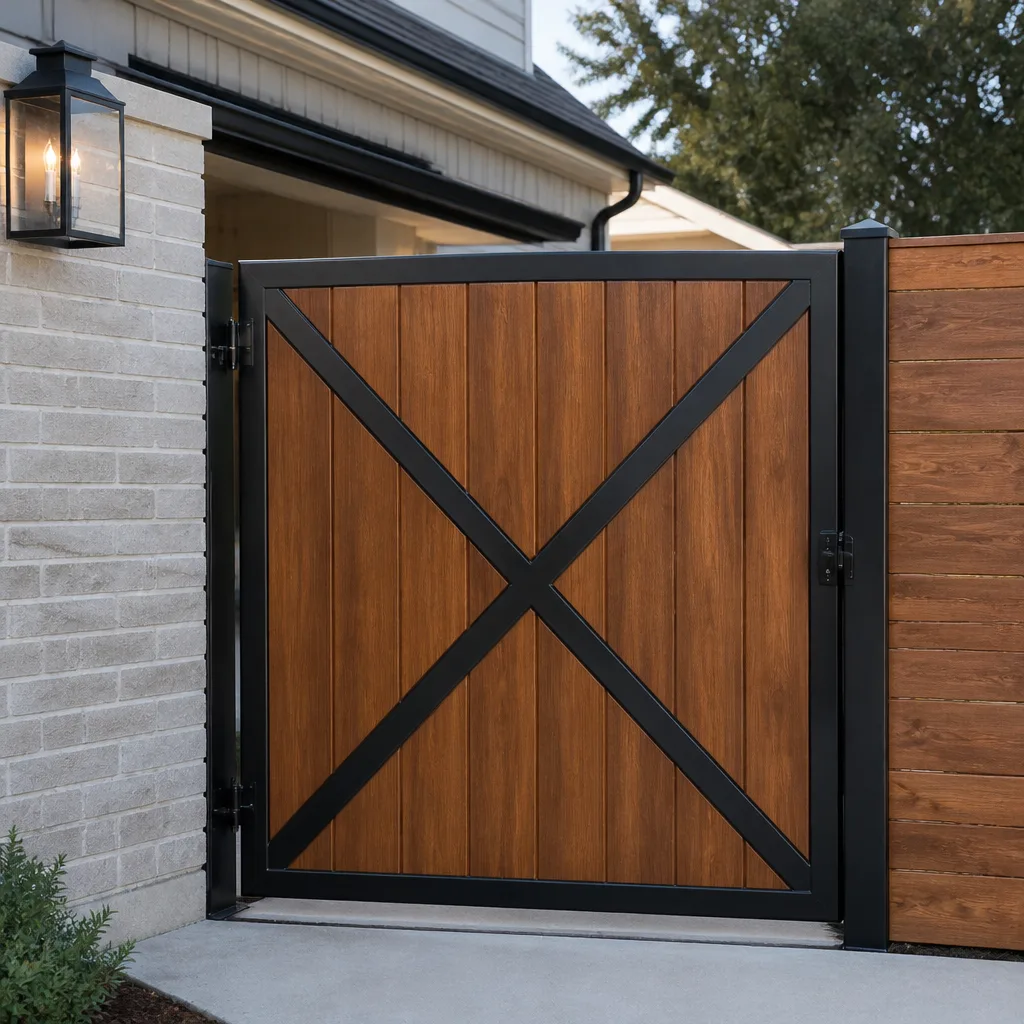 Wood & steel frame
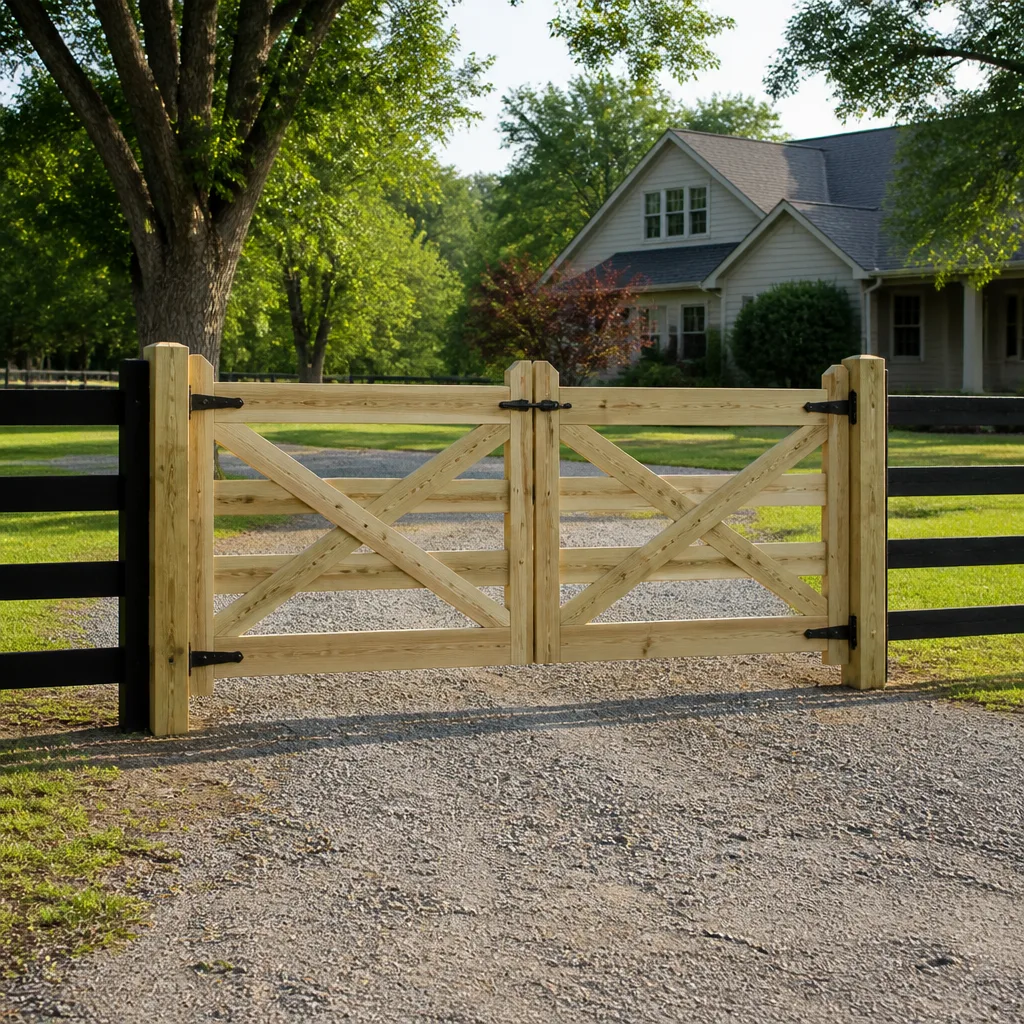 Farm & ranch
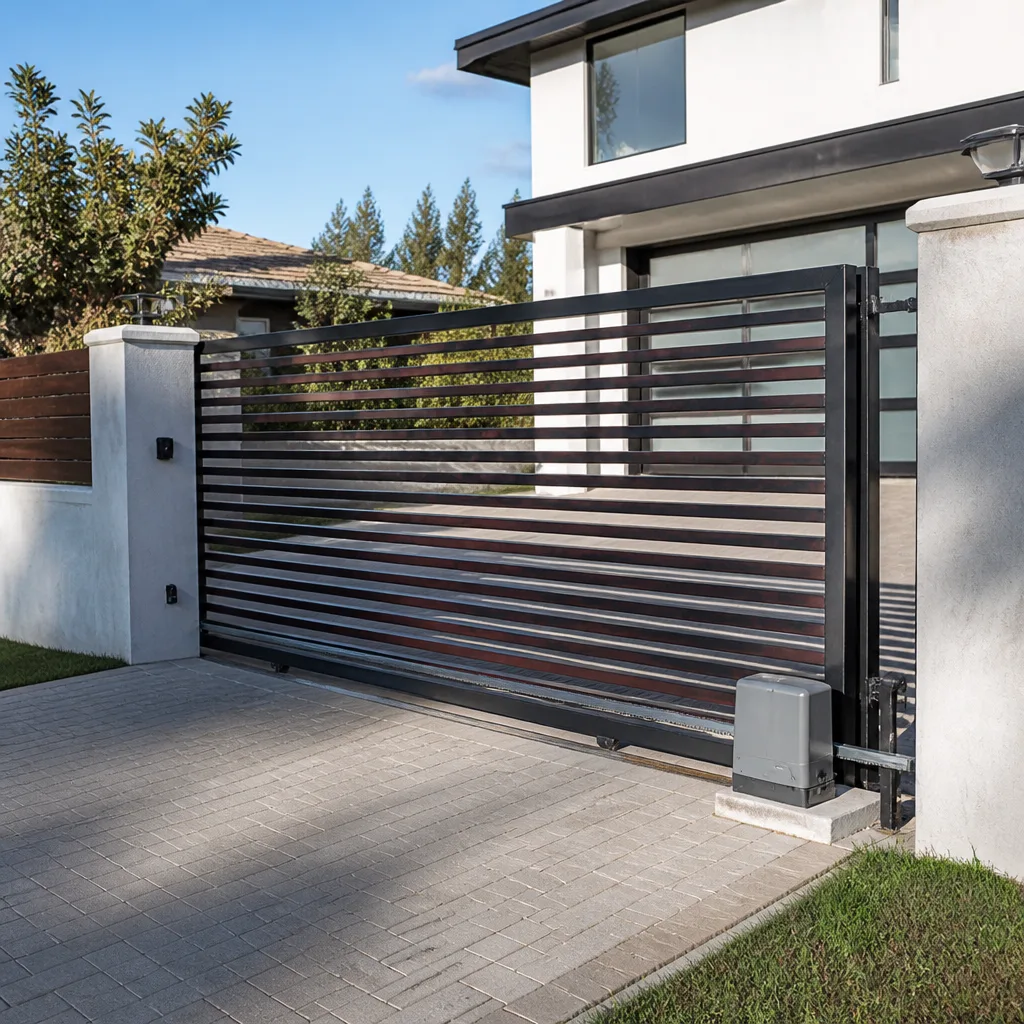 Sliding driveway gates
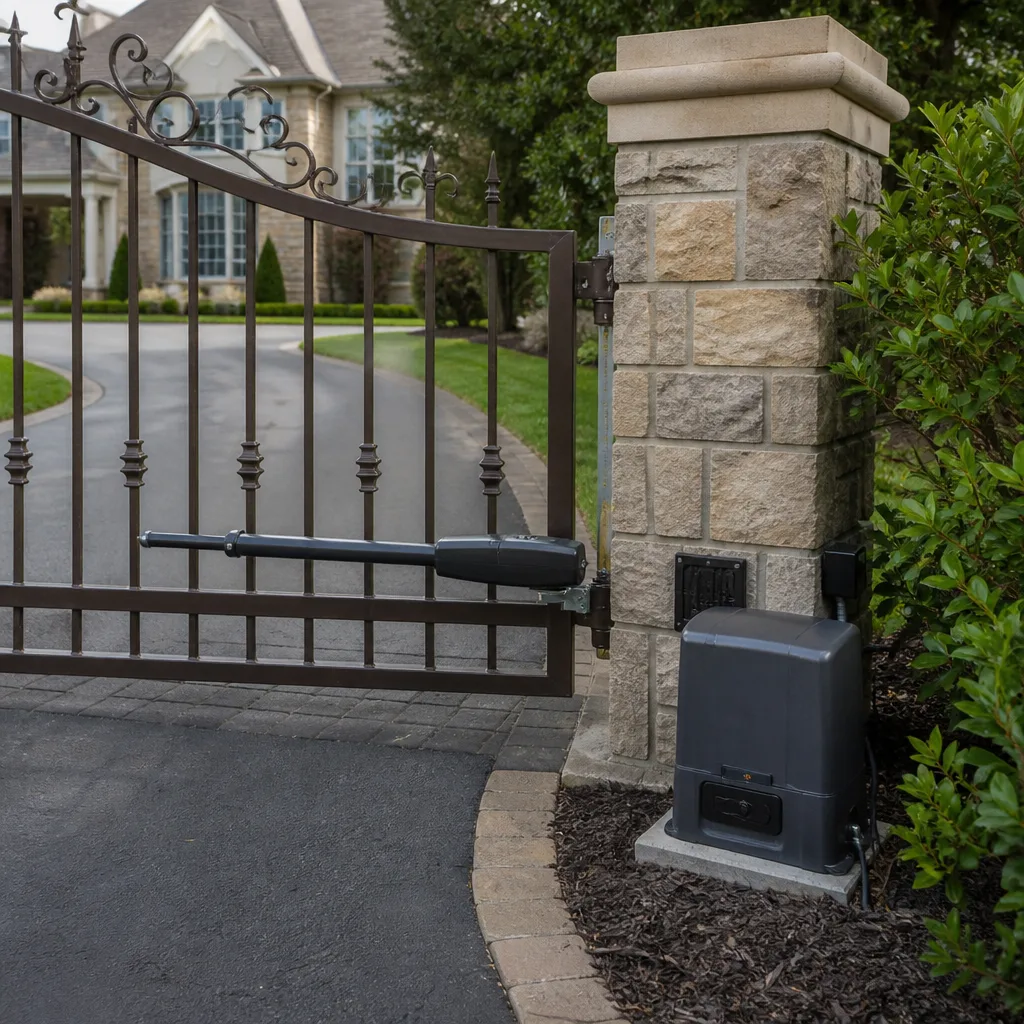 LiftMaster operators
Free on-site gate assessment - hinges, posts, and your LiftMaster or Nice gate operator checked before anything is quoted
The assessment is free and the quote is the invoice.
Get your free estimateGate Repair Permits, Codes & Inspections in Multnomah Village, OR: What You Need to Know
A gate motor swap is usually unpermitted work. Most homeowners in Multnomah Village assume that because the opener is a like-for-like replacement, no one needs to be involved. Then someone adds a new 120V circuit to feed it, and the job has quietly become electrical work that Oregon treats as a permitted project whether the installer says so or not. The permit question isn’t a yes or no. It depends on three things: whether the work is mechanical, structural, or electrical, and often it’s two of those at once. This guide walks through when a permit is actually required for gate work around Multnomah Village, who’s responsible for pulling it, what inspectors look for, and how HOA rules layer on top.
Quick Answer
Mechanical gate repair alone, such as replacing hinges, rollers, latches, or a like-for-like opener swap on an existing circuit, generally does not require a building permit. Structural changes and new electrical circuits do. If your project adds a new power feed, alters a post or footing, or changes how the gate attaches to a structure, expect at least one permit, and an electrical permit for the power run. Your contractor should tell you before work starts. Call (833) 508-9284 if you want a straight answer on your specific setup. Estimates are free.
Styles & brands we work with
- Wrought iron
- Wood & steel frame
- Farm & ranch
- Sliding driveway gates
- LiftMaster operators
Table of Contents
- Mechanical Repair, Structural Change, or New Electrical: Three Different Buckets
- When a Permit Is Required for Gate Work in Multnomah Village
- Who Pulls the Permit, and Why It Matters at Sale
- Electrical Gate Automation and Oregon Contractor Licensing
- HOA Overlay Rules in Multnomah Village
- What an Inspection Covers for an Automated Gate
- Multnomah Village Weather and Why It Complicates Inspection
- Repair, Upgrade, or Replace: Getting the Decision Right
Mechanical Repair, Structural Change, or New Electrical: Three Different Buckets
The permit conversation gets muddled because people treat gate work as one category. In practice, three distinct categories of work carry three different sets of obligations, and a single project often straddles two of them.
Mechanical repair covers the moving parts: hinges, rollers, tracks on a slide gate, latches, stops, and the operator itself when it’s swapped on wiring that already exists and was already inspected. Replacing a worn LiftMaster operator with another unit of similar draw on the same circuit is maintenance. It doesn’t add a load the electrical system wasn’t designed for.
Structural work is where the rules tighten. A new post, a deeper footing, a widened opening, a gate rehung on a different support, or a new attachment to a house or garage wall all change the structure the gate depends on. That’s when a building permit enters the picture, and it’s the category most often missed because the work looks like “just gate stuff” on the surface.
New electrical is the cleanest line of all. Running a new circuit from the panel to a gate operator location is electrical work. Full stop. It requires an electrical permit and an appropriately licensed electrician regardless of the gate operator brand or how short the run is.
A quick way to sort your own project:
- Same operator location, same wiring, worn parts replaced: mechanical, generally no permit.
- New operator at the same location, same circuit: mechanical, generally no permit.
- Gate moved, widened, or rehung on new supports: structural, permit likely.
- New power run, new panel circuit, or new outlet at the gate line: electrical, permit required.
- Battery or solar operator with no line voltage: no electrical permit, because there’s no electrical work.
That last point surprises people. Ghost Controls and similar solar or battery-powered operators don’t touch the house electrical system at all, which removes the electrical permit question entirely. The structural question still applies if the mounting changes.
When a Permit Is Required for Gate Work in Multnomah Village
Most residential gate service in Multnomah Village falls below the permit threshold. New electrical circuits, structural alterations, and anything that changes the footprint or load path do not. The trick is recognizing which one you’re actually doing before the work starts, not after.
Here’s the working list we use when a homeowner asks whether their project needs a permit:
- New 120V circuit to the gate operator: electrical permit required, licensed electrician required.
- Relocating an existing operator to a new spot: usually electrical permit, because the wiring is being extended or rerouted.
- New post, footing, or widened opening: building permit likely, depending on scope and whether structure is being altered.
- Gate attached to a house, garage, or carport: any change to that attachment is structural and warrants a call to the city before work begins.
- Like-for-like operator replacement on existing wiring: mechanical work, generally no permit.
- Access-control keypad or intercom on low-voltage wiring: typically no permit, though commercial installations may have separate requirements.
- Commercial or multi-user access systems with new power: electrical permit, and sometimes additional review depending on the property.
Oregon’s building code treats gates the way it treats any exterior structure: if you’re changing how it stands or how it’s powered, the code cares. If you’re restoring it to how it stood, the code generally doesn’t. When you’re not sure which side of the line you’re on, the safest move is to call the city’s building department and describe the work in plain language. A two-minute call beats an unpermitted project discovered at sale.
For work that stays firmly in the mechanical lane, our gate repair service handles it as a routine job. When the project crosses into new structure or new power, we’ll tell you before anyone touches a tool.
Who Pulls the Permit, and Why It Matters at Sale
The person doing the work pulls the permit. That’s the practical answer, and it’s the one that protects the homeowner. When a contractor says “you can pull it yourself as the homeowner,” that’s technically possible for some residential permits in Oregon, but it shifts every bit of liability onto you and creates a paper trail that’s harder to explain later.
Here’s what happens at sale when gate work was done without a permit and the buyer’s inspector catches it:
- The buyer’s agent flags the work, and closing gets delayed while it’s sorted out.
- You may need a retroactive permit, which means opening walls or digging up wiring to show the work for inspection.
- The city can require corrections to work that was done years ago, at current cost.
- Some title and lender situations stall until the work is either permitted or removed.
- Disclosures become messier, because you now know about an unpermitted improvement on your property.
None of these are catastrophic, but they all cost money and time at the worst possible moment. The lien-title angle is the one homeowners underestimate: an unpermitted electrical addition to a gate can complicate the paperwork around a property transfer in ways that surprise people who assume a small improvement is invisible.
When we quote a project in Multnomah Village that crosses a permit line, the permit is part of the scope and we tell you which permits apply, who’s pulling them, and how long the inspection cycle typically runs. You shouldn’t have to chase that information down yourself. Full-scope gate installation almost always touches at least one permit, and it’s cleaner to plan for that at the quote stage than to discover it mid-build.
Electrical Gate Automation and Oregon Contractor Licensing
Oregon separates electrical work from general contracting, and it enforces the separation. New wiring to a gate operator, new panel circuits, and anything that connects to the home’s electrical distribution system requires a licensed electrician who holds the appropriate electrical license. A general handyman cannot legally do it, no matter how many gate operators they’ve installed.
That distinction matters when you’re hiring for a job that spans both trades. A competent gate contractor knows the difference between “swap the operator” and “bring power to the operator,” and either handles the second piece themselves if licensed to, or brings in the right electrician. What you don’t want is an installer who shrugs at the distinction.
For the automation side specifically, the practical rules look like this:
- Low-voltage access control such as keypads, intercoms, and card readers of the kind made by DoorKing or Linear typically runs on the operator’s control voltage and doesn’t require an electrical permit, though commercial properties may have their own requirements.
- Line-voltage runs to an operator location are electrical work and require a licensed electrician and an electrical permit.
- Operator replacement on existing wiring is mechanical work. The wiring was already inspected when it was installed.
- Panel work of any kind is electrical. There’s no version of “just adding a breaker” that isn’t.
We work on the gate you already have, whether it’s a Viking operator on a slide gate, a LiftMaster on a swing, or a Linear system feeding a commercial keypad. Our technicians have up to 14 years of experience across the major platforms. When the job crosses into electrical territory that requires the electrician’s license, we say so. That’s the honest version of the relationship, and it’s the version that holds up when the city comes looking.
If you’re trying to figure out whether your project needs the electrician, start with gate motor & opener service so we can look at the existing setup and tell you what’s already there.
HOA Overlay Rules in Multnomah Village
Multiple HOAs cover portions of Multnomah Village, and their rules run in parallel to county code, sometimes stricter. Where the county says “no permit needed for mechanical repair,” an HOA can still say “you need architectural committee approval before you touch the gate.” Both layers apply. Meeting one doesn’t satisfy the other.
HOAs in this part of Portland tend to care about three things more than the county does:
- Visual match. If your existing gate is a particular style of cedar frame with a metal insert, an HOA may require the replacement to match. That’s often a custom build, not an off-the-shelf panel.
- Color and finish. Metal gates particularly. A powder-coat color approved at install may be the only approved color for a replacement.
- Operator visibility. Some associations want the operator screened from the street. That adds installation cost because mounting and enclosure change.
The practical approach in Multnomah Village is to ask both parties before you buy anything: call the city’s building department for the permit question, and pull your HOA’s architectural guidelines for the style question. If you’re inside a historic overlay area, add a third call to the relevant review body. Historic districts sometimes govern materials and finishes in ways neither the county nor the HOA does.
None of this is exotic. It’s just the price of living in a neighborhood with a real sense of itself. The homeowners who sail through a gate project are the ones who make these three calls before the first delivery shows up in the driveway.
What an Inspection Covers for an Automated Gate
When a gate installation includes permitted work, an inspector will walk the finished job before it’s signed off. Knowing what they check speeds the process and reduces the chance of a re-inspection.
What inspectors typically look at:
- Mounting and structural attachment. Posts set to the correct footing depth, gate hardware attached to solid structure, and no fasteners into questionable material.
- Electrical connections. Junction boxes accessible, connections in weatherproof enclosures, proper grounding, and the wiring run protected where it’s exposed.
- Safety devices on the operator. Photo-eye pairs, edge sensors, and any reversing feature required by the operator’s listing and by the code in effect at permit time.
- Disconnect means. A way to cut power at the operator without walking to the panel.
- Signage. Warning placards on automated gates, particularly on commercial or multi-user properties, are common requirements.
- Manual release. The gate must be operable by hand in a power failure, and the release mechanism must be accessible.
- Clearance and swing path. No obstructions, no binding at the travel limits, and correct geometry for the operator’s rated range.
Preparing for inspection is mostly about not covering up the work. Leave access panels accessible. Don’t backfill wiring trenches until the electrical inspector has signed off. Have the manufacturer documentation for the operator on hand, because inspectors sometimes ask for the listing to confirm the safety devices match the model.
The single most common cause of a failed gate inspection is a missing or non-functioning safety device on an operator that’s supposed to have one. The second is buried or inaccessible connections. Both are preventable with a careful install, and both are easy to fix before the inspector shows up rather than after.
Multnomah Village Weather and Why It Complicates Inspection
Multnomah Village sits on rising ground on Portland’s west side, and the wet season here is long. That climate detail matters for gate work in a way that doesn’t show up on the permit application but shows up at inspection.
Water is the main culprit. Footings for gate posts dug during a wet stretch can behave differently than footings dug during a dry one, because the soil the post goes into isn’t the same soil. That doesn’t automatically change the permit requirement, but it changes how a careful installer approaches post depth and drainage. A post set to “proper footing depth” into saturated soil around a poorly drained yard is at more risk than the same post in dry conditions, and inspectors occasionally look at drainage around new posts for exactly that reason.
Slope is the second factor. Lots that step up from the street in this neighborhood often need retaining structure near a gate line. Any gate that’s attached to or supported by a retaining wall can’t be treated as an independent installation, because the wall’s permit status and the gate’s permit status now overlap. If the wall was permitted, the gate attaches to a permitted structure. If the wall predates any permit record, that’s a conversation to have before designing the gate.
Drainage and weather also affect operator selection. An operator that lists a proper environmental rating for exterior use handles the wet season better than one that doesn’t, and this is one of the places where the brand matters less than the model. Whether your opener is a LiftMaster, a Ghost Controls solar unit, or a Linear slide-gate system, the model-level environmental rating is what counts. We’ll tell you what the existing unit is rated for and whether a replacement makes sense on that basis.
Repair, Upgrade, or Replace: Getting the Decision Right
Once the permit question is settled, the next decision is usually whether to repair the system, upgrade a component, or replace the whole thing. That’s where a brand-agnostic diagnostic matters. A technician trained on competing platforms can compare how a Viking slide operator behaves versus a LiftMaster swing operator versus a DoorKing multi-user system, and give you a real assessment of whether the installed equipment has life left.
The rough decision guide:
- Repair when the mechanical parts are worn but the operator’s control board and motor are healthy. Hinges, rollers, latches, and photo-eyes are consumables over time.
- Upgrade the operator when the existing unit is failing on electronics rather than mechanics, or when the current model no longer suits the traffic pattern. A residential swing gate that’s now serving a busy driveway may want a different operator class than the original.
- Upgrade the access control when you’re trying to add users, manage codes for guests or contractors, or screen traffic before the gate opens. Keypads and intercoms are a separate decision from the operator itself.
- Replace the gate when the frame is failing structurally, not just aesthetically. Rusted-through tubing, sagging frames that can’t be corrected with hinges, and posts that won’t hold fasteners are all replacement territory.
The permit implications follow the work, not the outcome. A repair stays in the mechanical lane. An operator upgrade usually stays there too, unless the new unit needs more power than the existing circuit can supply. A gate replacement touches structural permits if the posts, footings, or attachment change. And if any of that spills into new wiring, electrical permits come back into play.
Getting this wrong in either direction costs money. Replacing an operator that just needed a control board wastes the cost of a functional unit. Repairing a gate that’s structurally unsound wastes money and creates a safety concern. Our technicians have up to 14 years of experience across these decisions, and they’re honest about which one applies. A gate specialist should be able to tell you “your motor is fine, your hinge is shot” without a sales conversation attached.
Common Mistakes to Avoid
- Assuming a like-for-like motor swap is always permit-free. The swap usually is. But if the installer takes the opportunity to run new conduit or add a breaker, that’s electrical work and it needs a permit. Ask before the work starts what exactly is being changed.
- Letting a handyman run line voltage to a new operator location. Oregon requires a licensed electrician for this. A handyman who says “I do this all the time” is describing a code violation, no matter how tidy the work looks.
- Forgetting the HOA layer. County permits and HOA architectural approval are separate. A project approved by the city can still be denied by the association because the finish doesn’t match the block.
- Backfilling the wiring trench before the electrical inspection. This is the single most common way to add a re-inspection to a project timeline. Leave the excavation open until sign-off.
- Designing a new gate on top of an unpermitted existing wall. Slope lots in Multnomah Village often have retaining walls near the gate line. Confirm the wall’s permit record before designing a gate that attaches to it.
- Replacing an operator without checking the environmental rating. Our wet season is long, and an operator rated for the wrong environment wears faster than one rated for exterior use.
- Pulling the permit yourself as the homeowner “to save money.” It’s possible for some residential permits, but it puts the entire liability on you and complicates the disclosure conversation at sale. The savings rarely cover the eventual cost.
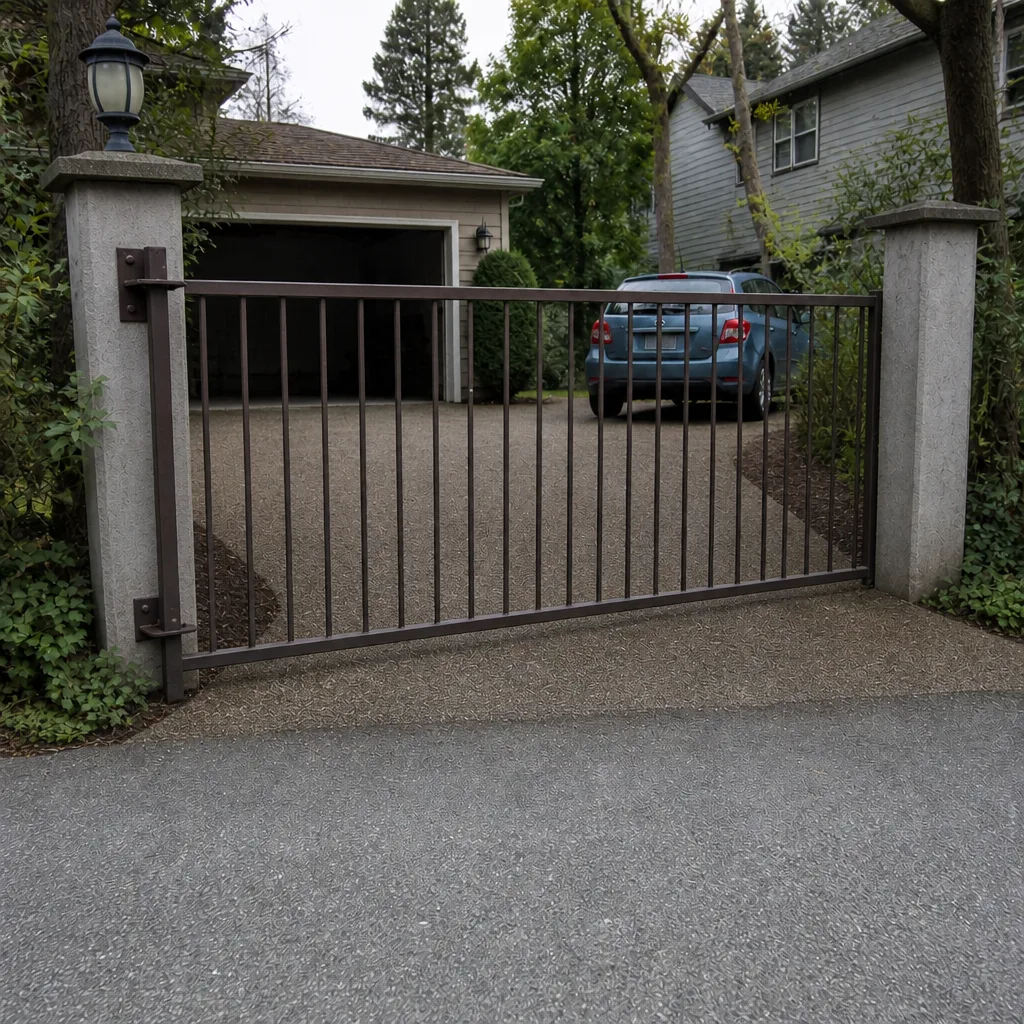
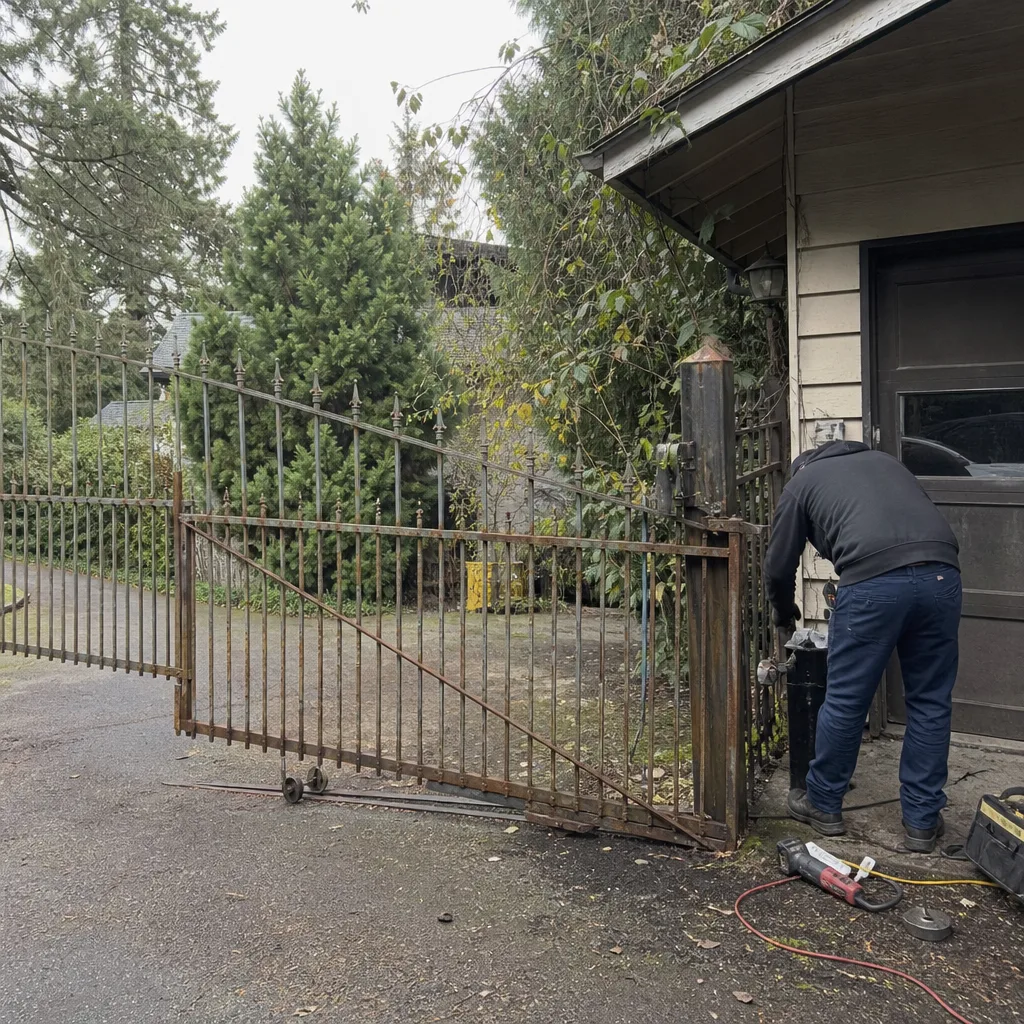
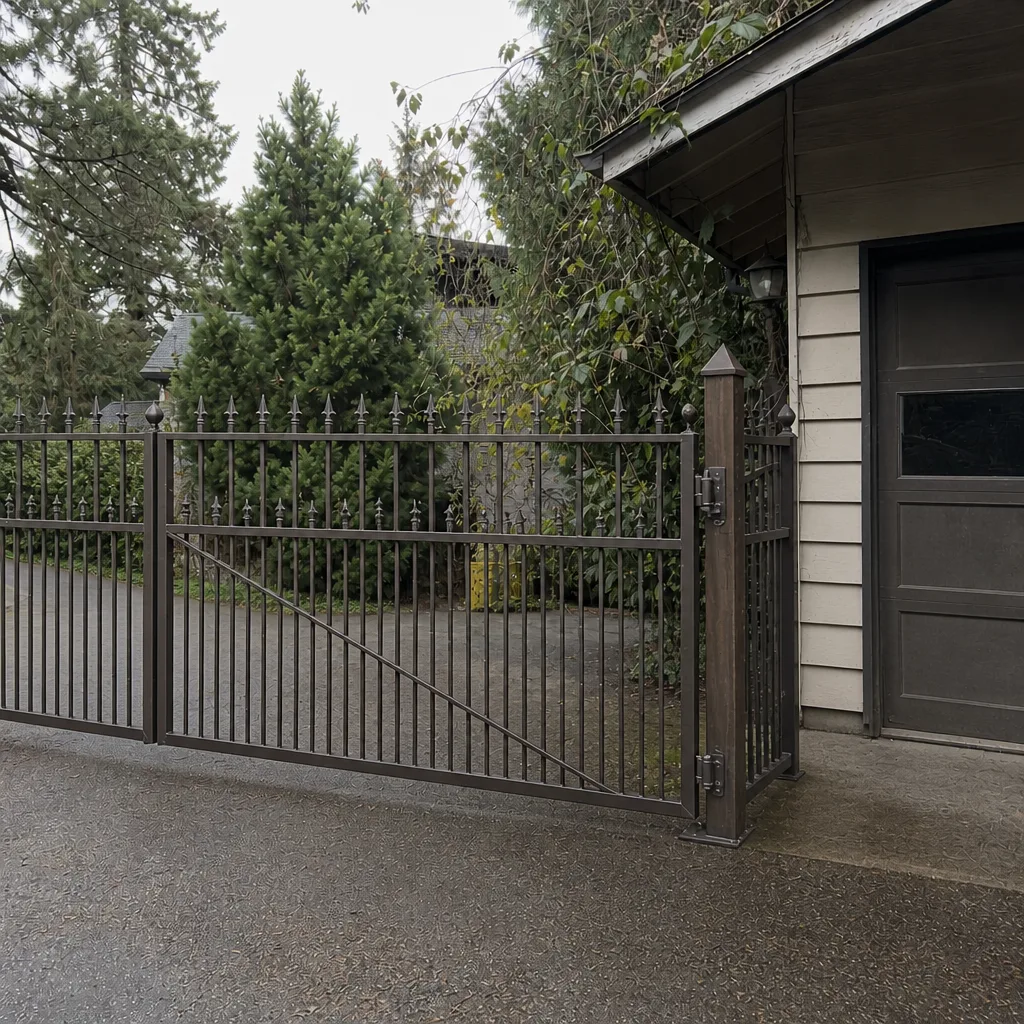
See the difference
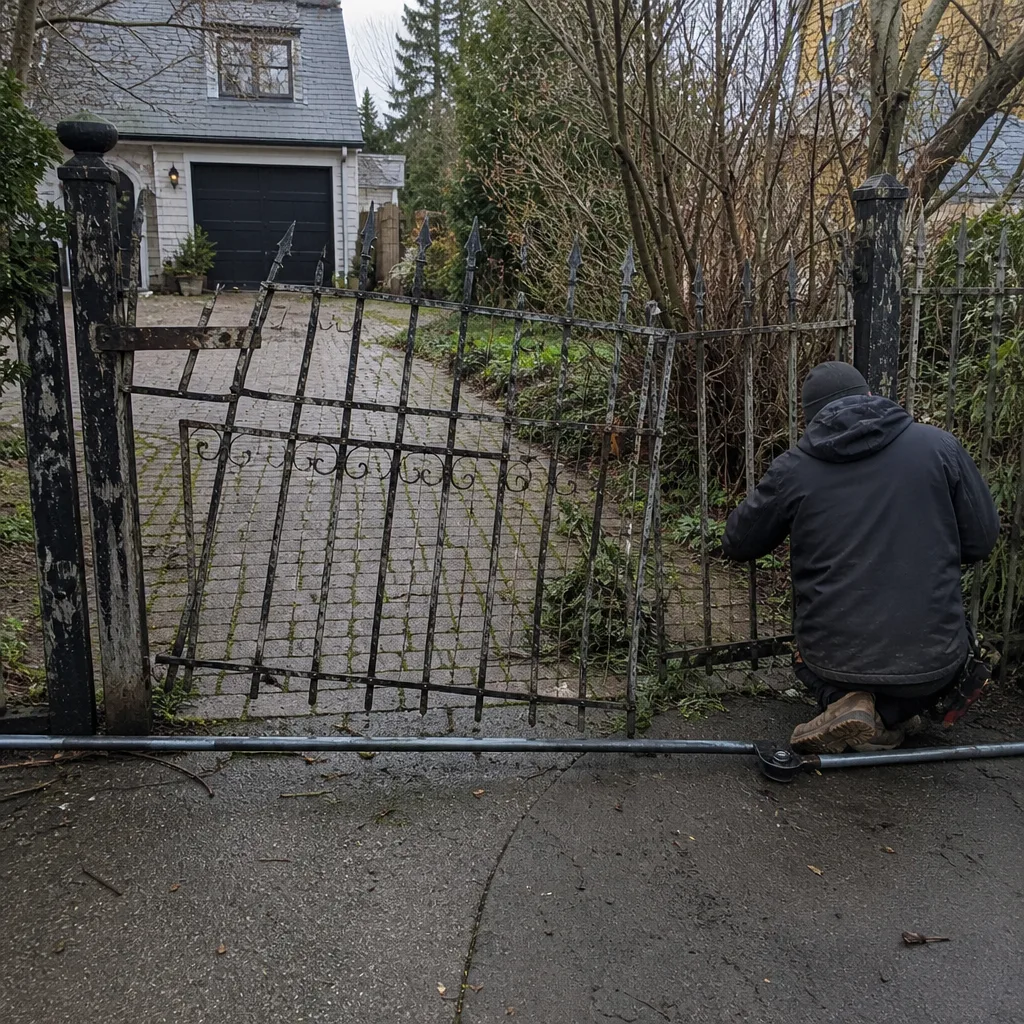 Before
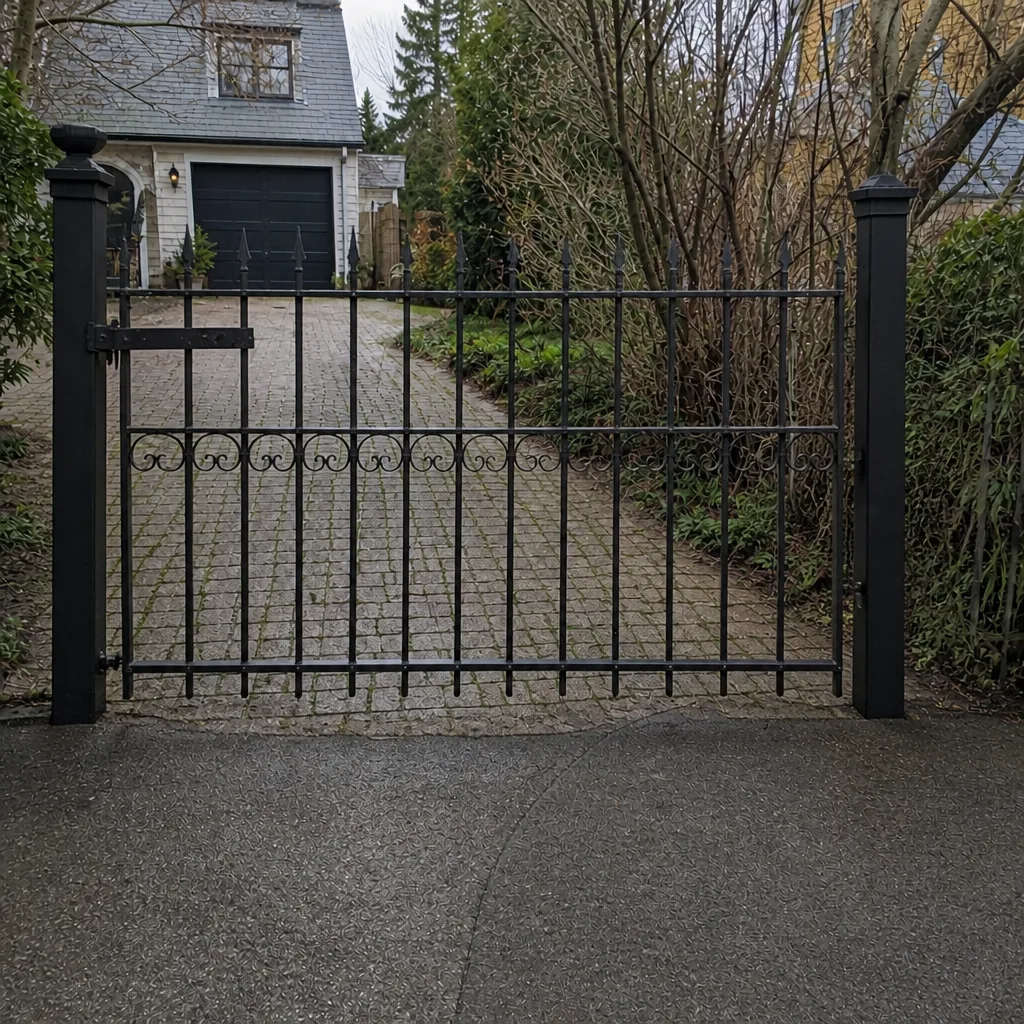 After
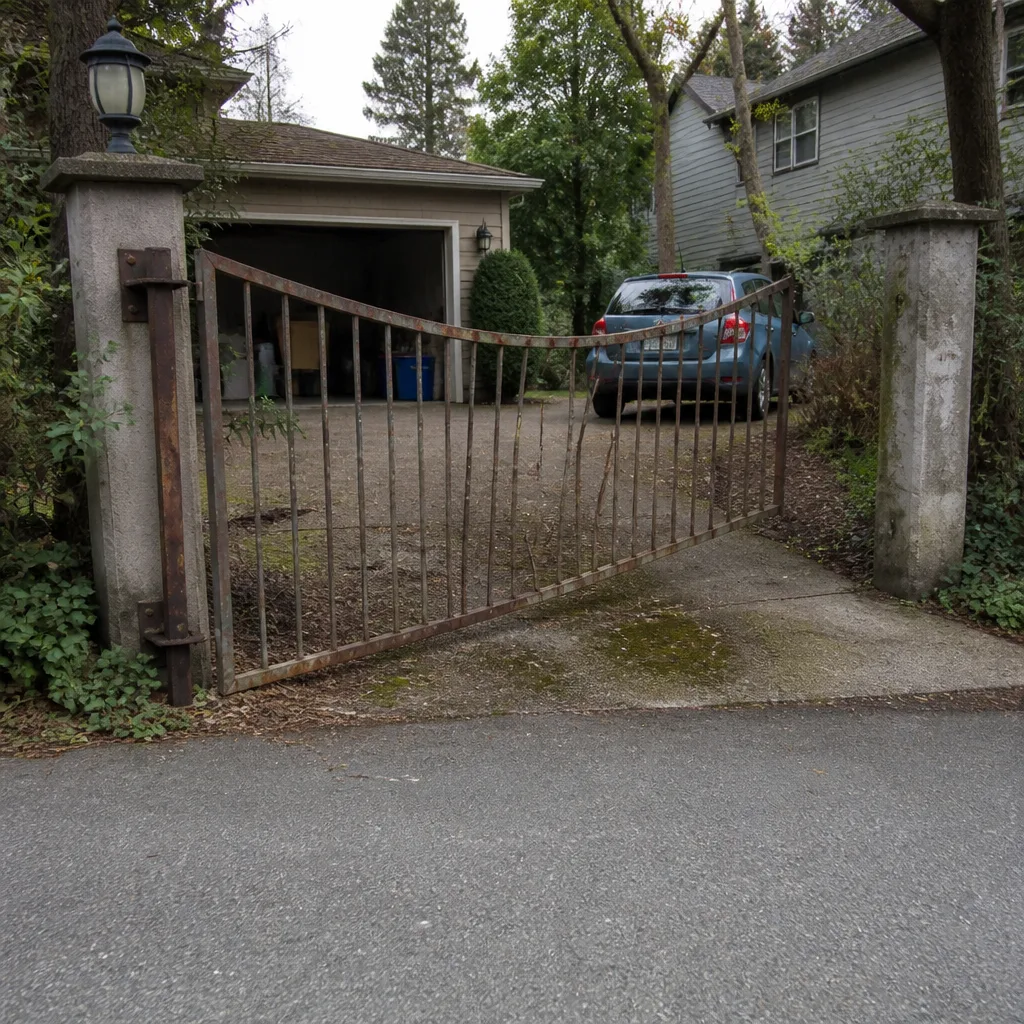 Before
 After
 Before
 After
When to Call a Professional
Call us when the repair crosses into operator electronics, when the gate isn’t moving at all, when a photo-eye or safety edge has failed, or when the control board is behaving in ways you can’t diagnose. Call before you buy an operator for a project that involves new wiring, because the wiring decision and the operator decision interact. Call when a commercial or multi-user system needs access-control programming, or when an existing DoorKing or Linear setup needs a keypad integrated. And call when a project requires permits and you want to know what’s in scope before anyone picks up a tool. Gate Repair Multnomah Village offers free estimates in Multnomah Village. Call (833) 508-9284. We answer 24/7. Fast dispatch from 7am to 7pm, Sunday through Friday.
Frequently Asked Questions
Usually not. Mechanical gate repair, such as replacing hinges, rollers, latches, or swapping an operator on existing wiring, generally doesn’t require a building permit in Multnomah Village. Structural changes and new electrical circuits do. Call (833) 508-9284 for a free estimate on your specific repair.
No, not if the new motor uses the same existing wiring and circuit. An electrical permit is required when new power is being run to the operator location, or when a new circuit is added at the panel. A like-for-like swap on wiring that was already inspected is considered mechanical work. Answers vary by setup, so it’s worth a call to confirm yours.
The contractor doing the work pulls the permit. That’s the standard practice and it protects the homeowner. Homeowners can pull some residential permits in Oregon, but doing so shifts liability onto you and complicates the disclosure conversation when you sell. Ask any contractor up front who’s pulling permits and let their answer inform your hiring decision.
An inspection for an automated gate covers structural attachment and footing depth, electrical connections and grounding, safety devices such as photo-eyes and edge sensors, the disconnect means at the operator, warning signage where required, manual release accessibility, and the gate’s travel and clearance. Inspectors look for what the code in effect at permit time requires, so the specifics depend on your project.
Yes, HOAs in Multnomah Village often add requirements on top of county code. Common additions are color and style matching for the gate, screening for the operator so it’s less visible from the street, and architectural committee approval before work starts. HOA rules and county code are separate layers, and meeting one doesn’t satisfy the other.
It can usually be resolved, though the path depends on what was done and whether it’s still in place. Sometimes a retroactive permit is issued after the work is inspected. Sometimes the corrections required bring the work up to current code. An unpermitted gate installation isn’t a crisis, but it’s better addressed before a sale than during one. Call (833) 508-9284 and we can help you figure out what the work involves.
The Bottom Line
The permit question for gate work in Multnomah Village isn’t a single answer, it’s a sorting exercise. Mechanical repair generally stays permit-free. Structural changes and new electrical circuits do not. HOAs layer their own rules on top, and historic overlays add a third layer. The way to protect yourself is to ask both the city and your association before anyone starts, to confirm which permits apply and who’s pulling them, and to leave access for the inspector instead of burying the work. Do that, and a gate project stays a gate project, not a surprise at closing. Call (833) 508-9284 for a free estimate. We answer 24/7, with fast dispatch from 7am to 7pm, Sunday through Friday. At Gate Repair Multnomah Village, every job is a gate job.
Written by the team at Gate Repair Multnomah Village.