
Last updated November 25, 2026
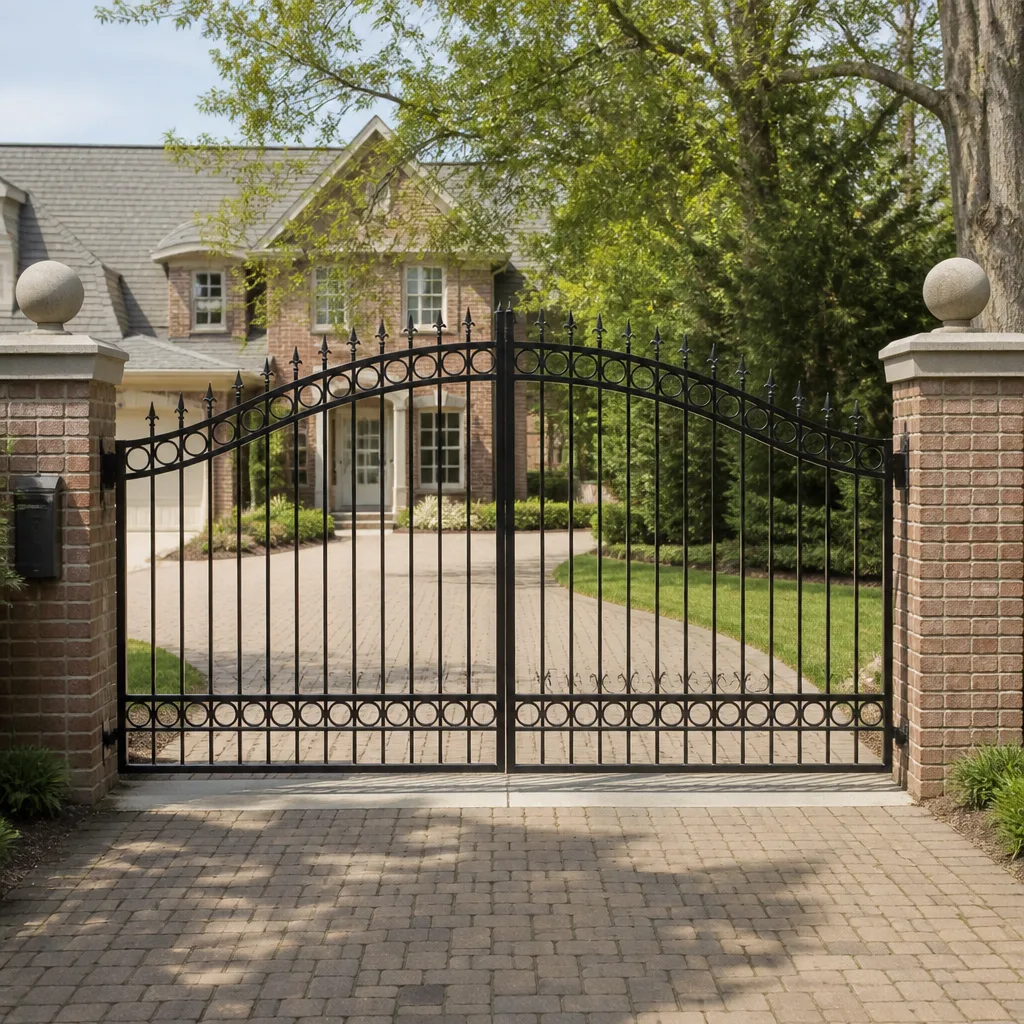 Wrought iron
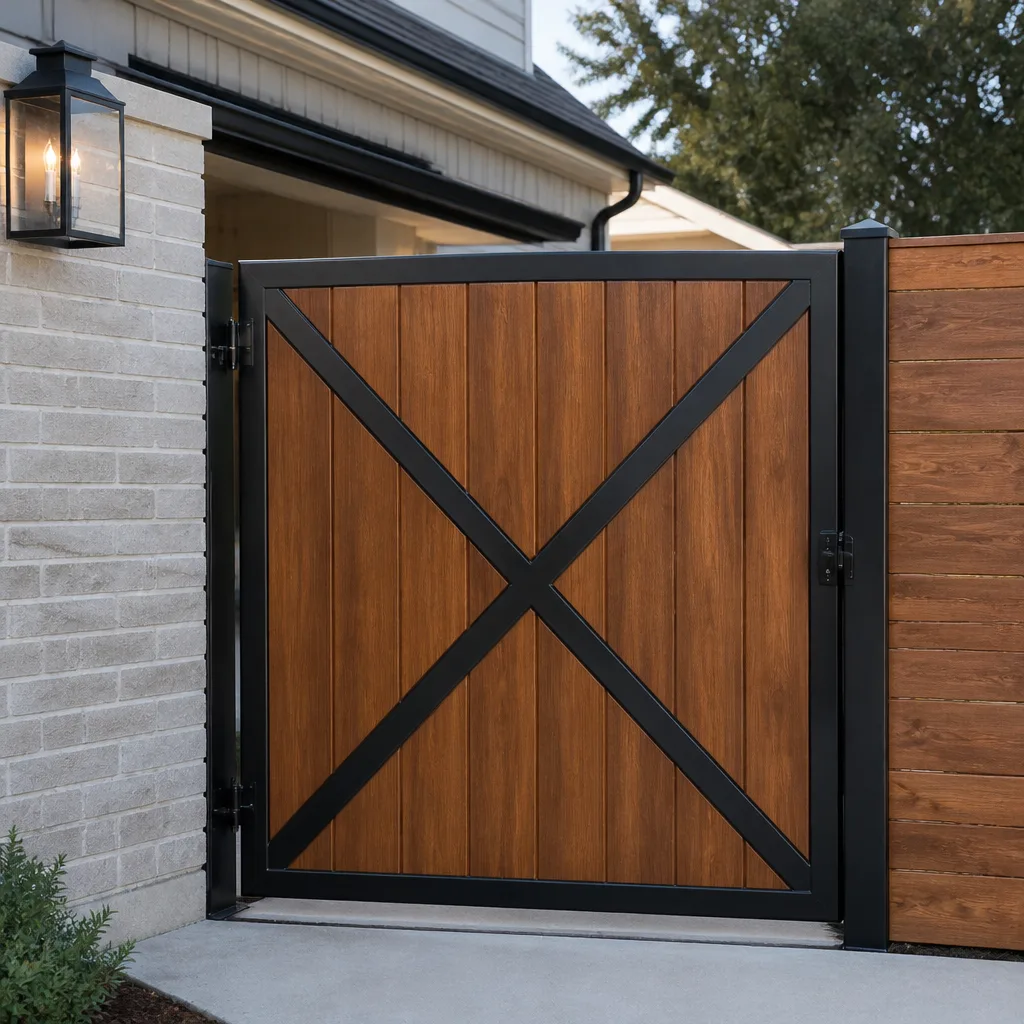 Wood & steel frame
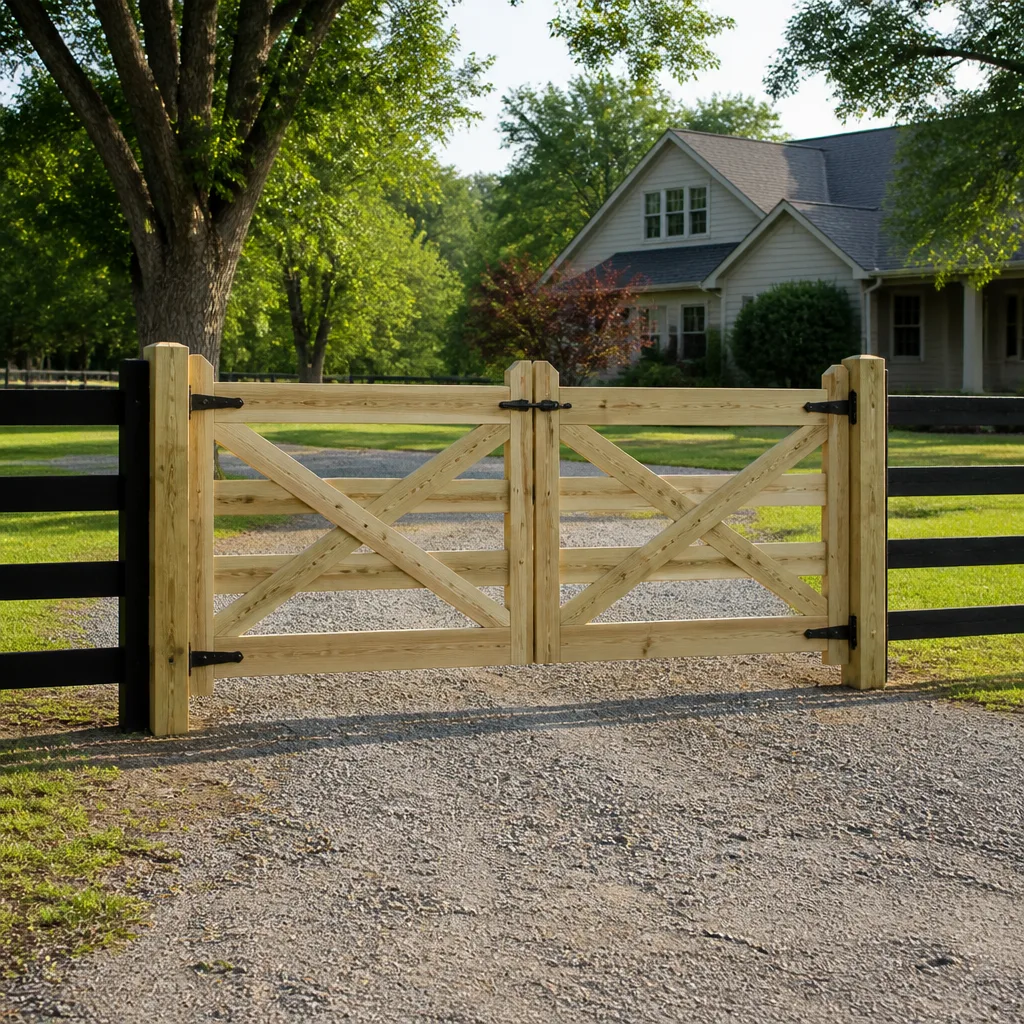 Farm & ranch
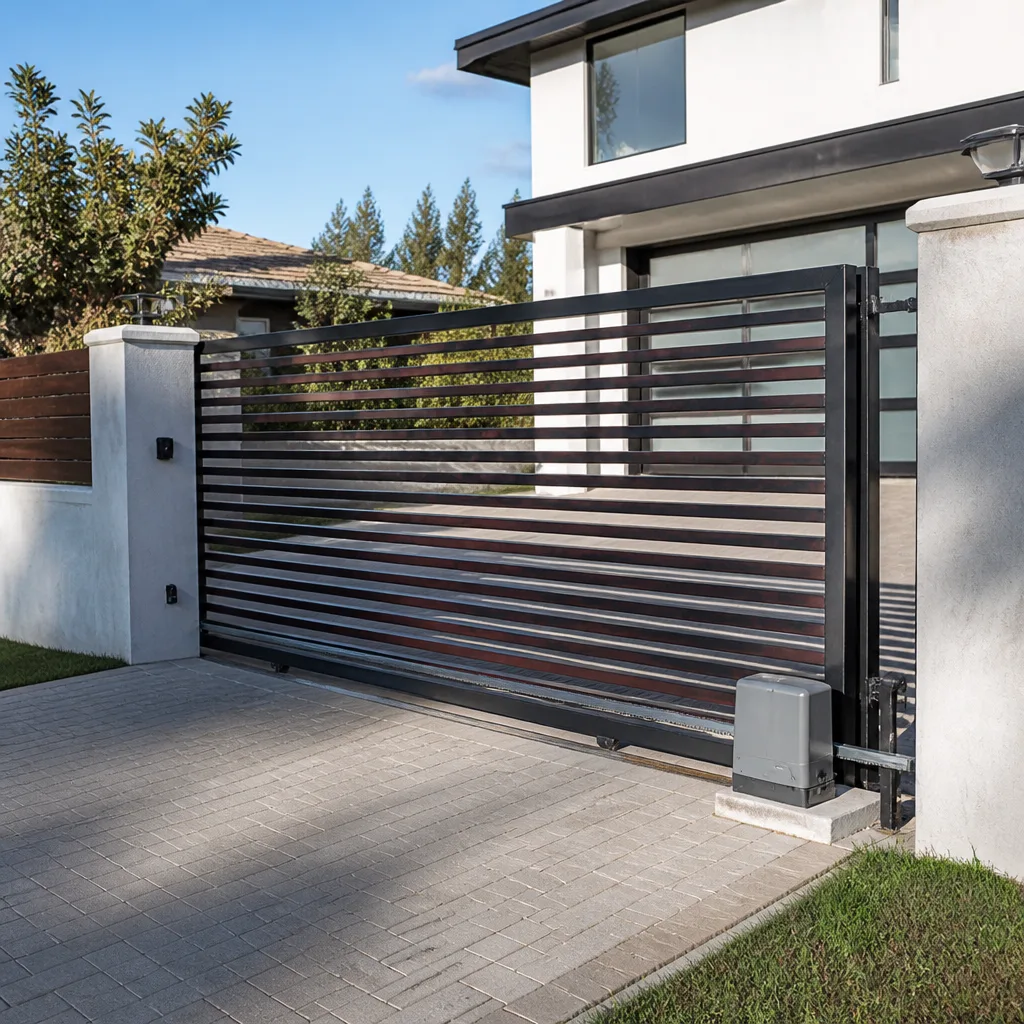 Sliding driveway gates
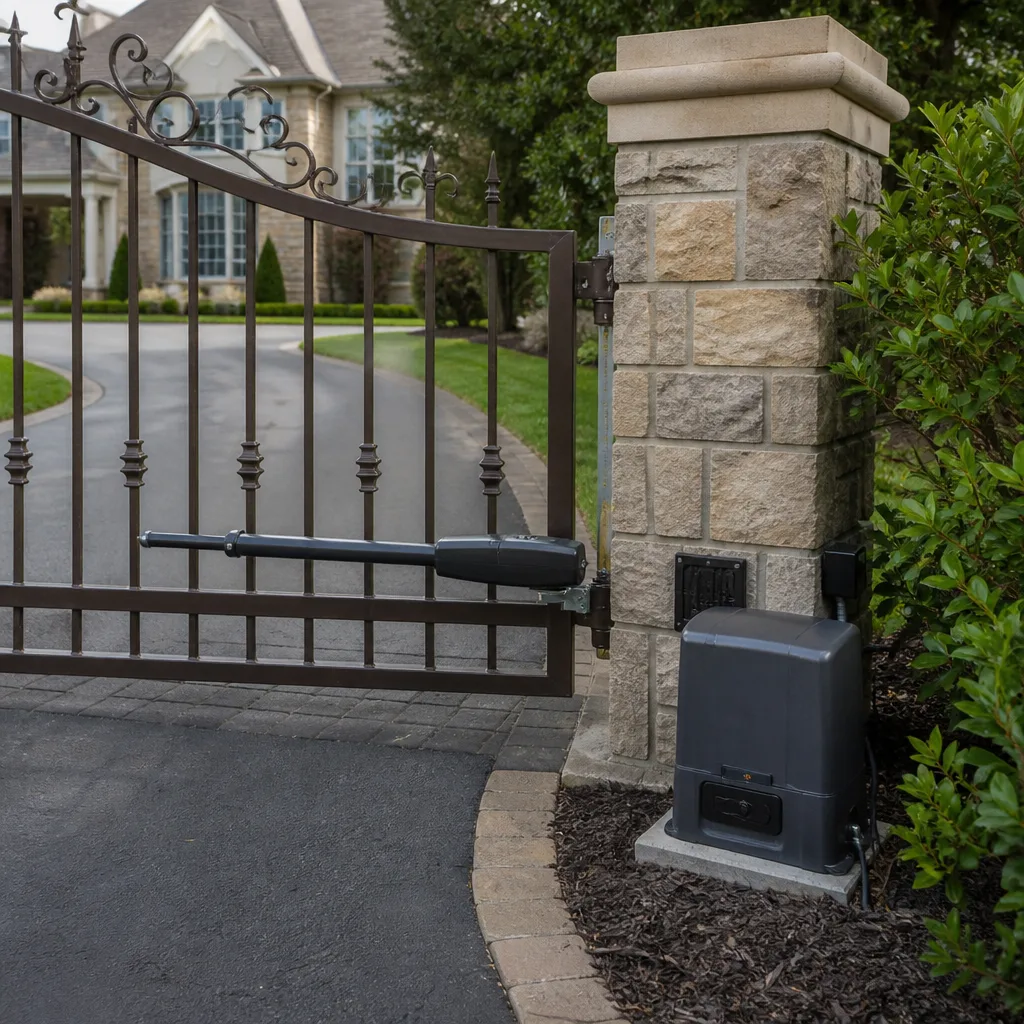 LiftMaster operators
Free on-site gate assessment - hinges, posts, and your LiftMaster or Nice gate operator checked before anything is quoted
The assessment is free and the quote is the invoice.
Get your free estimateGate Repair Emergency Preparedness Guide for Multnomah Village Homes
During a power outage, every automated gate in Multnomah Village becomes manual, but only if the homeowner knows where the release mechanism is and how to operate it safely. Most don’t. That gap turns a routine outage into either a security problem or a stranded car, depending on which way the gate happens to be sitting when the power drops. This guide covers what you need to know before anything fails: how manual release works across the main actuator types, how to secure a gate that’s stuck open without wrecking the drive, what to tell a dispatcher so you get prioritized correctly, and which failures need a technician immediately versus which can honestly wait. We’ll also cover what battery backup looks like for the outage patterns this part of Portland actually sees.
Quick Answer
Gate emergencies divide into two opposite problems: a gate stuck open is a security emergency that usually needs to be made safe and secured the same day, while a gate stuck closed is an access emergency that can often wait for dispatch hours if everyone can get out another way. Knowing your gate’s manual release procedure before the power goes out is the single most useful thing you can do, and most gate failures in Multnomah Village fall into the “schedule it” category rather than the “panic” category.
Styles & brands we work with
- Wrought iron
- Wood & steel frame
- Farm & ranch
- Sliding driveway gates
- LiftMaster operators
Table of Contents
- Why gate emergencies split into two categories
- Manual release procedures by actuator type
- How to secure a gate stuck open safely
- When a gate stuck closed is an emergency
- What to tell a gate repair dispatcher
- Battery backup for local outage patterns
- Failures that can wait vs. failures that can’t
- Building a pre-failure prep routine
Why Gate Emergencies Split Into Two Categories
A gate that won’t move is not one problem. Direction matters. An automated driveway gate on a property in Multnomah Village sitting fully open leaves the driveway, yard, and whatever sits behind the gate exposed to the street. A gate sitting fully closed blocks access, but if the property still has a pedestrian route or a second way in, the practical pressure is much lower.
That difference changes the whole playbook. Stuck open is a security situation: you’re managing exposure, the gate is usually heavy on its hinges, and the fix involves mechanical means only. Stuck closed is an access situation: your first question is who needs to get through and when, and your second question is whether manual release is safe to perform.
There’s a third factor that matters in this neighborhood specifically. Multnomah Village is densely built, with narrow side streets, tight driveways, and plenty of properties where the gate opens directly onto the sidewalk or near a busy corner. A gate stuck open onto a sidewalk isn’t just an exposure issue; it can become a pedestrian hazard. A gate stuck blocking a driveway can angle a car out into traffic when the driver edges around it. Both situations have a physical safety layer on top of the security layer.
Sort the situation into one of these before doing anything else:
- Stuck open + accessible street line: security exposure, secure it mechanically, then schedule promptly.
- Stuck open + blocking a sidewalk or lane: public safety exposure, treat it as urgent.
- Stuck closed + someone needs to leave or enter: access problem, use manual release if safe, or plan the day around it.
- Stuck closed + nobody needs access: low urgency, schedule during dispatch hours.
- Any visible damage to the operator enclosure, wiring, or control box: electrical safety concern, stop and call a professional.
Manual Release Procedures by Actuator Type
Manual release is the procedure that turns an automated gate into a push-open gate when the operator has no power, or when the operator has failed and you need to move the gate by hand. Every automated gate system has one. The critical safety step most generic instructions leave out is this: before you touch the release, the gate must be physically supported or secured so it does not swing, slide, or drop when the drive is disconnected. An automated gate’s drive system holds weight and position. Releasing the drive transfers that weight to the hinges, the track, or your hands.
Release procedure differs by how the operator moves the gate:
Slide gate operators
Slide gate operators, which are common on wider driveways and commercial properties, typically release via a keyed handle or lever on the operator housing, or via a release lever under a cover on the housing top. The gate then rolls free along its track. The omission in most instructions: on a slope, a slide gate can roll once released. Check whether your track is level before releasing. If it isn’t, or if you’re not sure, don’t release until someone is on the downhill side controlling the gate by hand.
Swing gate operators with articulated arms
Articulated arm operators, common on residential swing gates, usually have a manual release that disengages the arm from the gate, or a release lever on the motor housing that frees the gate from the drive. The critical step: when the arm disengages, the gate swings freely, so it must be held or blocked before you pull the release. Hold the gate closed with one hand, release with the other, then ease it. An articulated-arm gate that swings unexpectedly can crush fingers, catch a hip against a wall, or swing into a parked car.
Underground and buried operators
Underground operators, where the motor sits below grade and connects to the gate at the hinge, usually have a manual release on the operator housing above the ground. These releases can be stiffer than above-ground operators and often require a specific tool or key that came with the system. The critical step: know where the key or tool is stored before you need it. Underground releases are the ones most often forgotten because the operator itself is out of sight.
Hydraulic and electromechanical swing operators
Hydraulic and electromechanical swing operators release through a lever on the housing. Some are spring-loaded and will snap the release lever when triggered. Keep your face and hands clear of the release lever’s travel path when operating it, and support the gate’s weight before releasing.
We work on all of these. Whether the operator on your property is a Ghost Controls unit, a DoorKing slide operator, or an older Mighty Mule swing system, the release procedure differs, and the safety step before it does not. If you don’t know which actuator type your gate uses, that’s the first thing to find out. Our technicians have up to 14 years of experience identifying operators from the housing and controls alone.
How to Secure a Gate Stuck Open Safely
When a gate is stuck open, the goal is simple: stop it from moving further and reduce the exposure, without disconnecting anything that could let the gate swing unpredictably. Do not fight the operator with your body weight, and do not push against a drive that’s still engaged.
Work through these in order:
- Identify the failure first. Is the gate open because the operator deliberately left it open at the end of a cycle, or because the operator has no power? Stand where you can see the full gate travel and look for the status light or board indicator. If the operator has power and simply stopped mid-open, that’s a fault, not a release scenario.
- Disengage the drive safely. Support the gate before you operate the manual release, as covered above. Once released, the gate should move by hand with gentle pressure.
- Walk the gate to closed. Move it slowly by hand toward the closed position and stop when it’s fully seated against its stop post. If the gate catches, binds, or drops at any point, stop. You’ve got a mechanical failure on top of the drive failure, and forcing it will bend a hinge or worse.
- Block it mechanically. Once closed, put a physical stop against the gate leaf or slide gate on the side it can swing or roll toward. A weighted object or a wedged bar at the base works. Do not tie the gate against the operator housing.
- Secure the pedestrian route. If your gate had a pedestrian opening or the release left a gap, close and lock that separately. A gate that’s visually closed but loosely moving is a gate that invites access.
- Re-engage only if you can do so safely. If the operator still has power and you’ve verified the gate isn’t damaged, walk the gate back through a full cycle to re-engage the release. If the gate won’t run a cycle, leave the drive disengaged until a technician arrives.
- Schedule the repair. A gate stuck open with no obvious cause (no outage, no damaged actuator) usually has a control board, limit switch, or wiring fault. That’s gate repair in Multnomah Village that we do routinely, and we aim to have it diagnosed and quoted on the first visit.
The unsafe shortcut is the one people reach for most often: shaking the gate by hand or slamming it to try to reset the operator. That’s how hinges get bent, casters get broken, and slide gate rollers pop off the track. Physically heavy gate leaves don’t negotiate.
When a Gate Stuck Closed Is an Emergency
A gate stuck closed rarely presents a security problem, but it can absolutely present a safety one. It becomes urgent when:
- Exit is blocked. If the vehicle exit is the only exit from the property, or if someone in the home cannot physically leave by another route, a stuck-closed gate is an access emergency.
- Emergency response could be blocked. If the gate is the only path an ambulance or fire crew could take, plan around it. Call your gate repair company, and if there’s a legitimate safety concern about emergency access, call your local non-emergency line to flag it.
- A person or animal is trapped. If a gate closed on someone, do not rebuild the mechanism to free them. Call for help first and get professional support.
- The gate is closed over a vehicle. A gate lowering onto a car can cause damage and injury. If a gate is on top of or actively pressing on a vehicle, do not try to open it. Call for emergency help if there’s an injury, then call for gate service.
Outside those scenarios, a stuck-closed gate can usually wait for business hours with a clear plan: park outside the gate, arrange access for anyone who needs to leave, and schedule the repair. Because the gate is stuck closed, you often don’t need to do manual release at all, and we’d rather you didn’t. A stuck-closed gate that suddenly frees itself while someone is standing under it is worse than a gate that stays closed.
One local wrinkle worth knowing: on many Multnomah Village properties, driveway slopes are steeper than they look from the street, and a gate parked closed on a slope holds against a load. If your gate is stuck closed on a sloped driveway and you don’t know which mechanical part is holding it, leave it and let a technician take it through the release under control.
What to Tell a Gate Repair Dispatcher
A good dispatcher can prioritize you correctly in about thirty seconds of good information. Give us these and we’ll have a technician correctly prepared with the right parts and platform knowledge before arriving. Whether your installed system is LiftMaster, Viking, FAAC, BFT, Linear, or another brand we service, the same detail helps.
Here’s the five-part briefing:
- The gate state. “Stuck open,” “stuck closed,” “moving partway and reversing,” or “won’t respond to the remote.” These are four different repairs, and knowing which one you have determines the priority and the likely parts.
- Power state and recent events. “The gate’s been working fine, then a storm came through,” or “no outage, it just stopped” or “the remote stopped working two days ago.” Recent weather, recent hitches, recent electrical work in the house all matter.
- Operator brand and model if visible. Look on the operator housing or the control box. “Ghost Controls” or “Elite” on the housing saves the technician a diagnostic step. If you can’t read it, that’s fine.
- Access and vehicle situation. “The gate is stuck open over the driveway, and there are two cars inside.” “The gate is stuck closed on a slope and we have a vehicle that needs to get out by tomorrow.” That’s the detail that changes urgency.
- Whether you’ve used the manual release. If you’ve released the drive, say so. If a gate is disengaged from the operator and hasn’t been re-engaged safely, tell the dispatcher. A gate that’s been through manual release needs a different first visit than a gate that hasn’t.
Then call the line. We answer 24/7. Fast dispatch from 7am to 7pm, Sunday through Friday. A call outside dispatch hours is booked into the next opening, Sunday through Friday, 7am to 7pm. And if you can manage the wait until dispatch hours, a stuck-closed gate with no safety issue usually can be scheduled into the next opening with no urgency lost.
Battery Backup for Local Outage Patterns
Multnomah Village is not on the Oregon coast and not in eastern Oregon, but it does sit in a tree-heavy part of Portland with overhead power lines in older residential stretches and winter storm patterns that produce wind-driven outages. Most outages here are short, but a handful of storms each season produce outages lasting several hours or into the next day. That’s the relevant design case for battery backup: not a week-long outage, but enough hours that an operator without reserve turns your gate into a manual gate for a whole day.
Battery backup on a gate operator is not one feature. It’s usually a combination of:
- Battery reserve inside or attached to the operator that keeps the gate operating through short outages.
- A charging circuit that maintains the battery from the operator’s normal power and needs to be verified periodically so it doesn’t quietly stop working.
- A low-battery cutout that tells the operator to stop attempting cycles rather than drain the battery and risk damage.
- A charge test you can run manually or ask a technician to perform during routine service.
Battery backup is not a universal standardization across brands. A DoorKing operator can have a battery reserve that runs a long cycle time and low-battery diagnostic that tells you clearly what’s happening. A lighter residential operator from Elite or Mighty Mule may have a smaller reserve and a simpler diagnostic indicator. The right size depends on how many cycles your gate runs in a day, how heavy the gate is, and how far the operator has to move it. A backup sized for a 20-foot driveway swing gate is not the same as a backup sized for a short gate into a side yard.
Testing is the part people skip. Battery backup that has never been checked is backup you don’t have. Check the charge indicator on your operator through the year, and have the battery load-tested during a service visit. If the gate only moves once or twice on backup and then stops, the battery has aged out even if it hasn’t failed outright. In our experience, most battery reserves that fail do it after 3 to 5 years, but the specific lifespan depends heavily on local temperature swings and whether the battery is indoors or outside.
Failures That Can Wait vs. Failures That Need a Technician Now
Most gate failures are not emergencies, but a few absolutely are. Sorting correctly saves you a scheduling headache and keeps a technician focused on the jobs that need the response.
Failures that need prompt professional response:
- The operator runs but doesn’t move the gate. That’s a coupling, drive gear, or hinge failure that gets worse every cycle.
- The gate reverses immediately after closing. That’s a limit switch, safety edge, or loop sensor failure. A gate that reverses repeatedly is a gate that could eventually close on someone.
- Visible damage to wiring, control box, or operator enclosure. Wiring faults inside an operator enclosure are not a homeowner repair. The wiring carries line voltage, and only a qualified technician should open that box.
- The gate moves very slowly or overheats. That’s usually a failing motor, hydraulic fluid loss, or a burnt control board and needs a diagnostics visit before it costs you a full motor replacement.
- The gate is stuck open and can’t be secured. If the gate is jammed open and blocking a lane or walkway, that’s a scheduling priority.
Failures that can usually wait for dispatch hours:
- Gate stuck closed with no access or exit impact. Schedule during normal hours.
- New remote doesn’t work. A programming or pairing issue, resolved at the panel.
- Keypad or intercom not responding. Often a battery or programming issue in the access-control panel, not a mechanical failure.
- Gate works fine from the button but not the remote. Remote battery, receiver, or antenna.
- Intermitent cycle failure after rain, then works fine. Moisture in the operator enclosure or a connector. Schedule it before it fails consistently.
Building a Pre-Failure Prep Routine
The rest of this guide doesn’t matter if you don’t know your own system. A short routine once a season handles nearly everything.
- Photograph the operator housing and any visible labels. Brand, model, and serial where visible. Store the photos on your phone. Whether the housing says Ghost Controls, DoorKing, Elite, or another brand, the photo is what gets a repair visit off to a correct start.
- Locate the manual release and its key or tool. Walk to it, hold it in your hand, and make sure you know exactly how it operates before you need it. If the tool is missing, that’s a repair item before it becomes a problem.
- Walk a full cycle. Open the gate slowly by hand after release, then re-engage and run the operator. Watch for binding, noise, or slowing.
- Check the battery indicator. Photograph the indicator state if it has one so you can compare across the year.
- Clear the gate travel path. Ensure the track for a slide gate is clean. Debris, needles, and leaf litter that collect on a track after a winter storm will trip a safety sensor or force a thicker overload.
- Run the safety test. Trigger your gate’s safety edge or close-cycle test according to the manufacturer’s manual if you can, and confirm the gate reverses or stops as designed. If the safety system fails the test, get it looked at before the gate runs unattended.
- Write down your gate’s brand and cycle count. Put it in your phone’s notes with the photographs. When you call, this is the information that saves the most diagnostic time on arrival.
Access control deserves its own mention in the routine. If your gate uses a keypad, intercom, or multi-user entry system, a failing power supply can lock out every code at once. That’s an access problem on a property that may have several households or a commercial tenant behind the gate. Test the access-control system once a season by using a code and, where available, checking a second entry point. Property managers should keep the user list and programming instructions where they’re reachable, not in a filing cabinet at the property.
Common Mistakes to Avoid
- Releasing the manual drive without supporting the gate first. The gate will move when the drive lets go, and a full-weight swing gate leaf moves fast. Hold or block the gate before pulling the release lever, every time.
- Forcing a jammed gate. Shaking, slamming, or pushing hard the wrong way to try to free a stuck gate damages hinges, casters, and drive gears that were fine before. If the gate doesn’t move with gentle hand pressure, stop.
- Bypassing a gate safety edge or reversing sensor. Never disconnect a safety edge or close-cycle sensor to make a gate “just close.” A gate that won’t reverse on a child, a dog, or a car’s bumper is an injury risk.
- Opening the operator enclosure to inspect wiring yourself. Line voltage runs inside that enclosure. Look at it, photograph it, and report what you see without opening it.
- Trekking through the yard to bypass a gate because the keypad failed. That’s how a keypad fault becomes a security problem. Call the line, describe the symptom, and arrange a battery or programming fix for the keypad rather than leaving gate-travel paths open.
- Replacing an operator without knowing the brand. A generic garage-door company can’t correctly diagnose an Elite, FAAC, or BFT operator if they don’t work on them. Get the brand confirmed before you make a repair-or-replace decision. We’d rather tell you honestly that your gate needs repair than recommend a replacement because we’re more comfortable with one brand than another.
- Skipping battery tests until the gate fails on backup. Battery backup that’s been left untested is backup you don’t have. Test it, don’t assume it.
See the difference
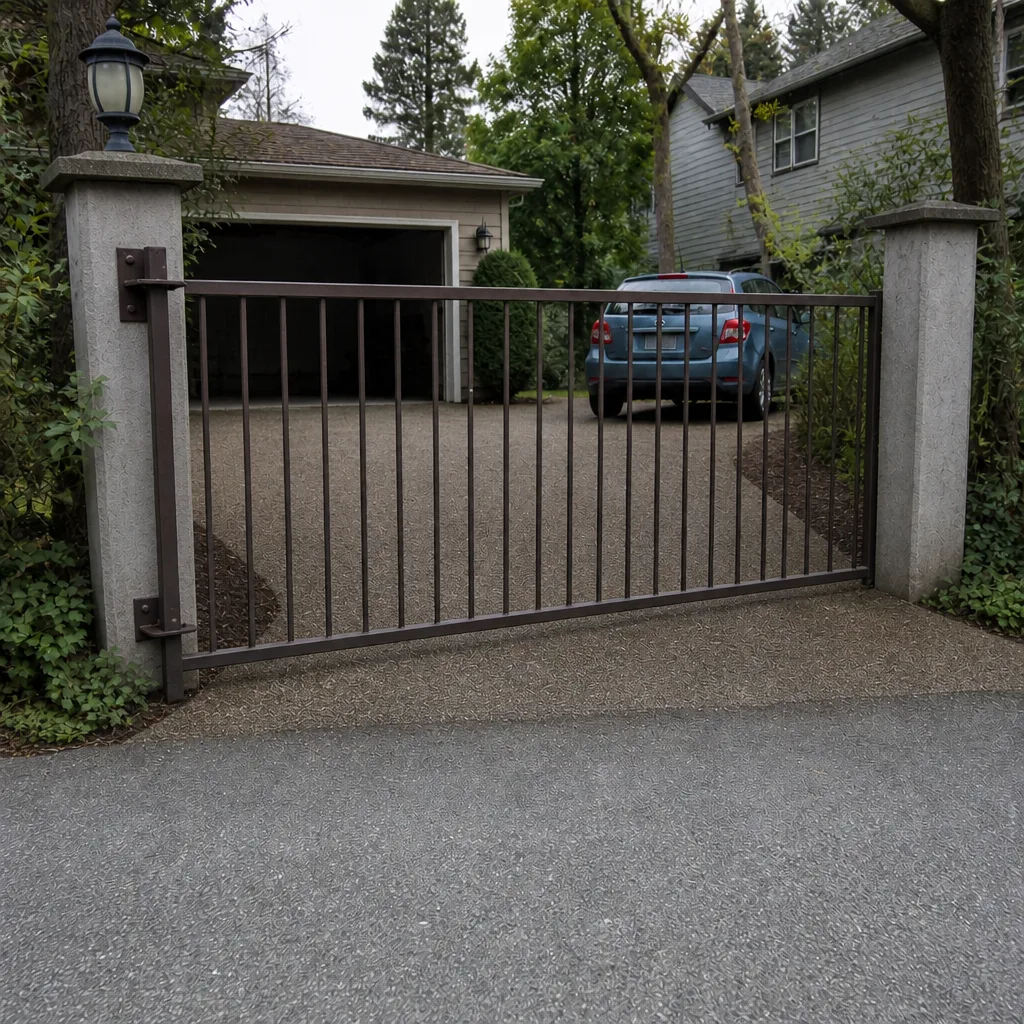
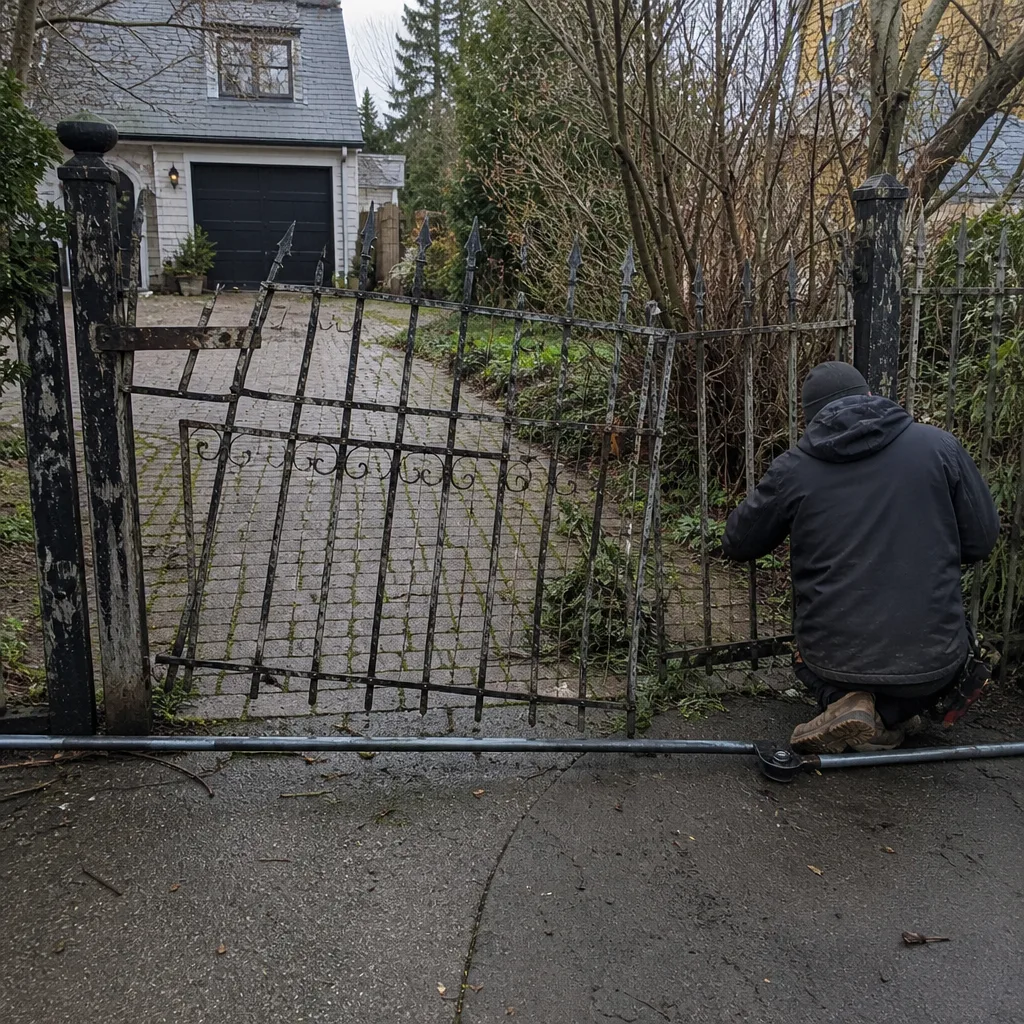 Before
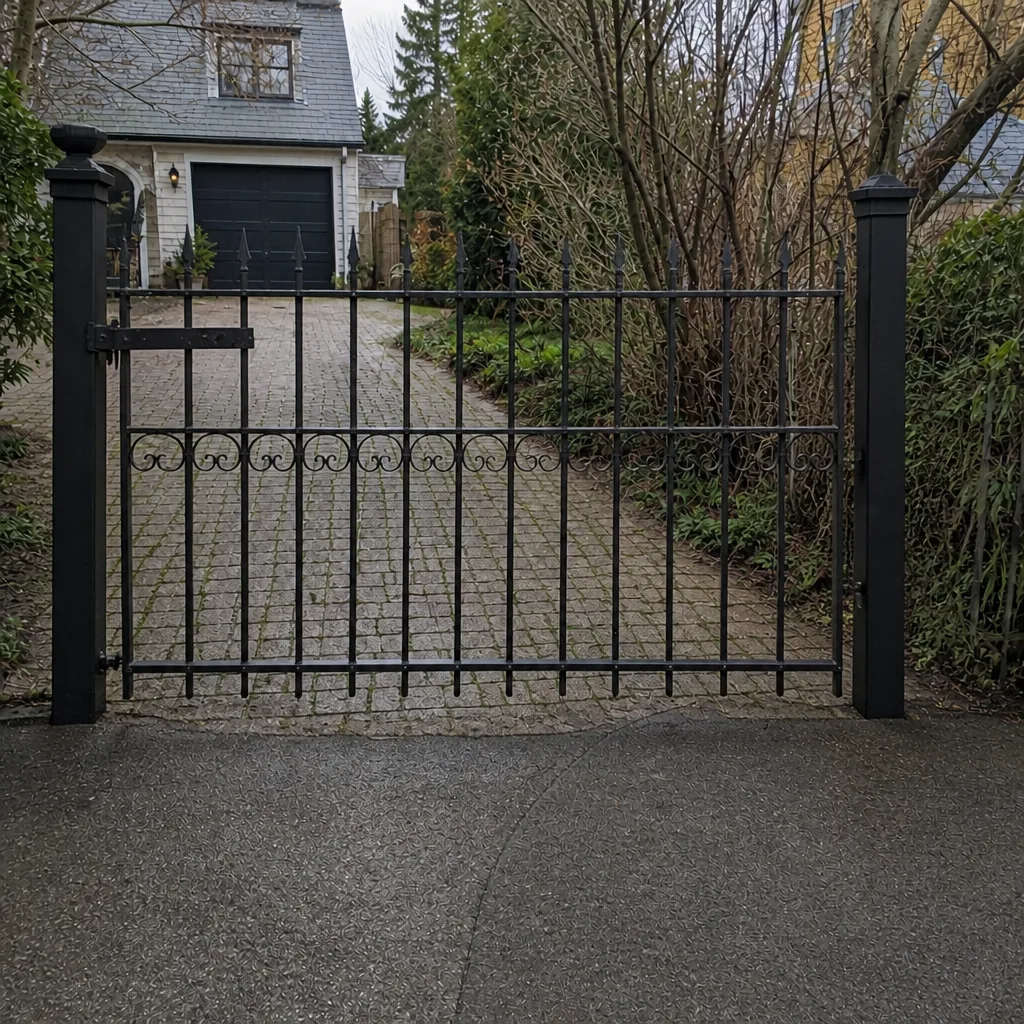 After
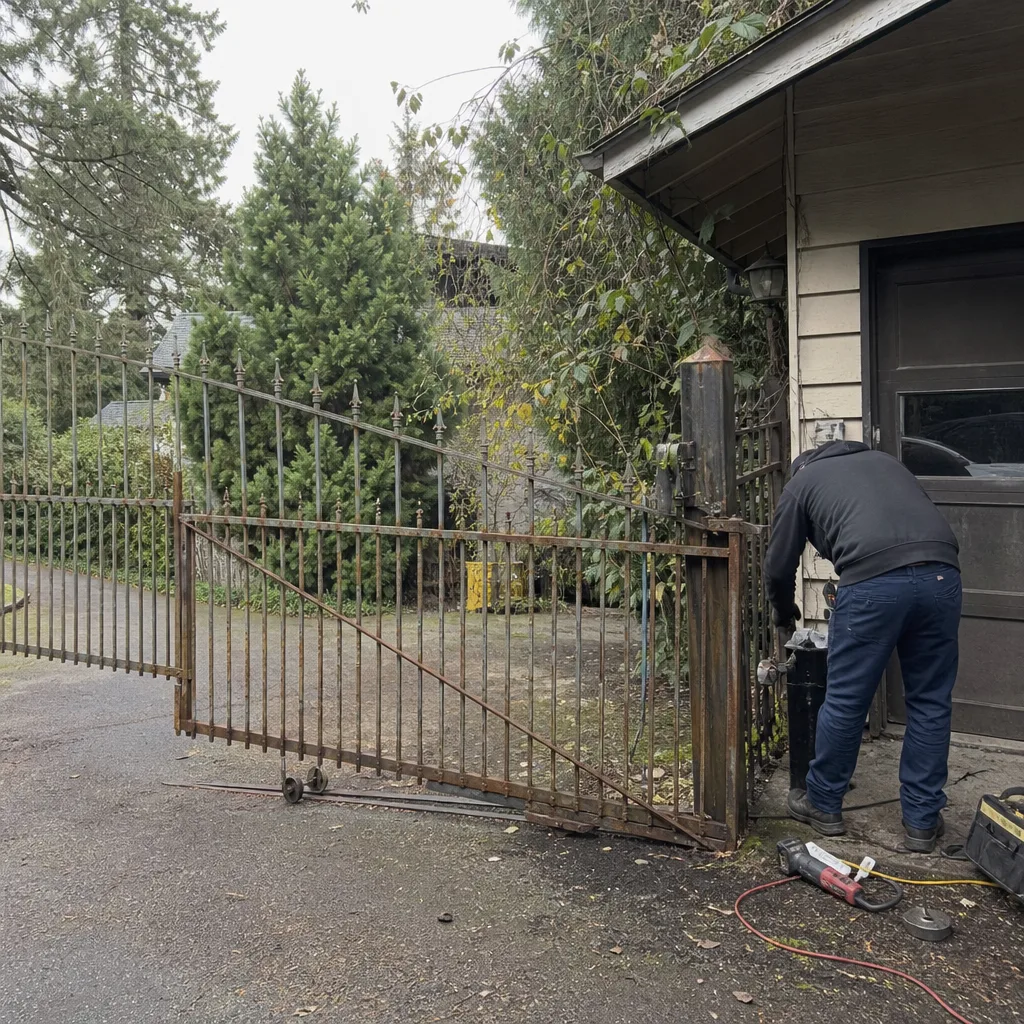
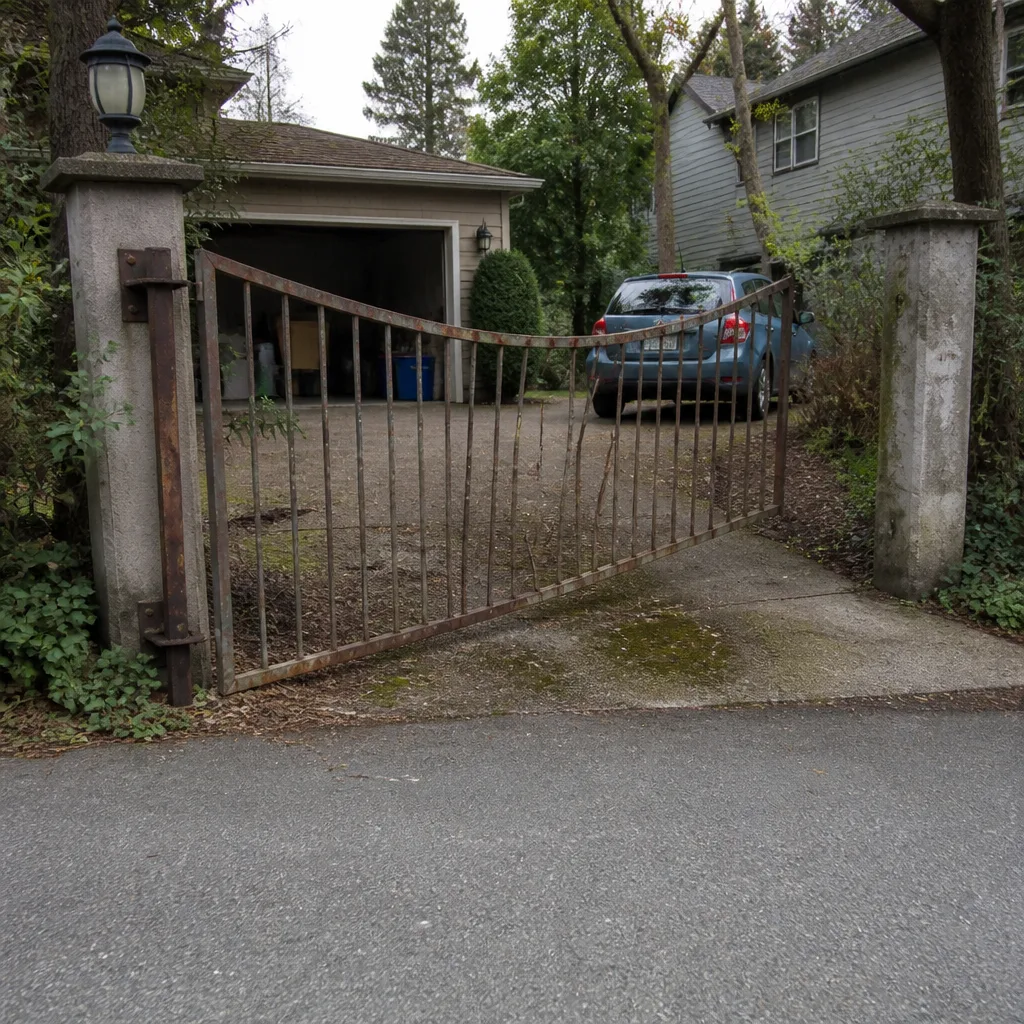 Before
 After
 Before
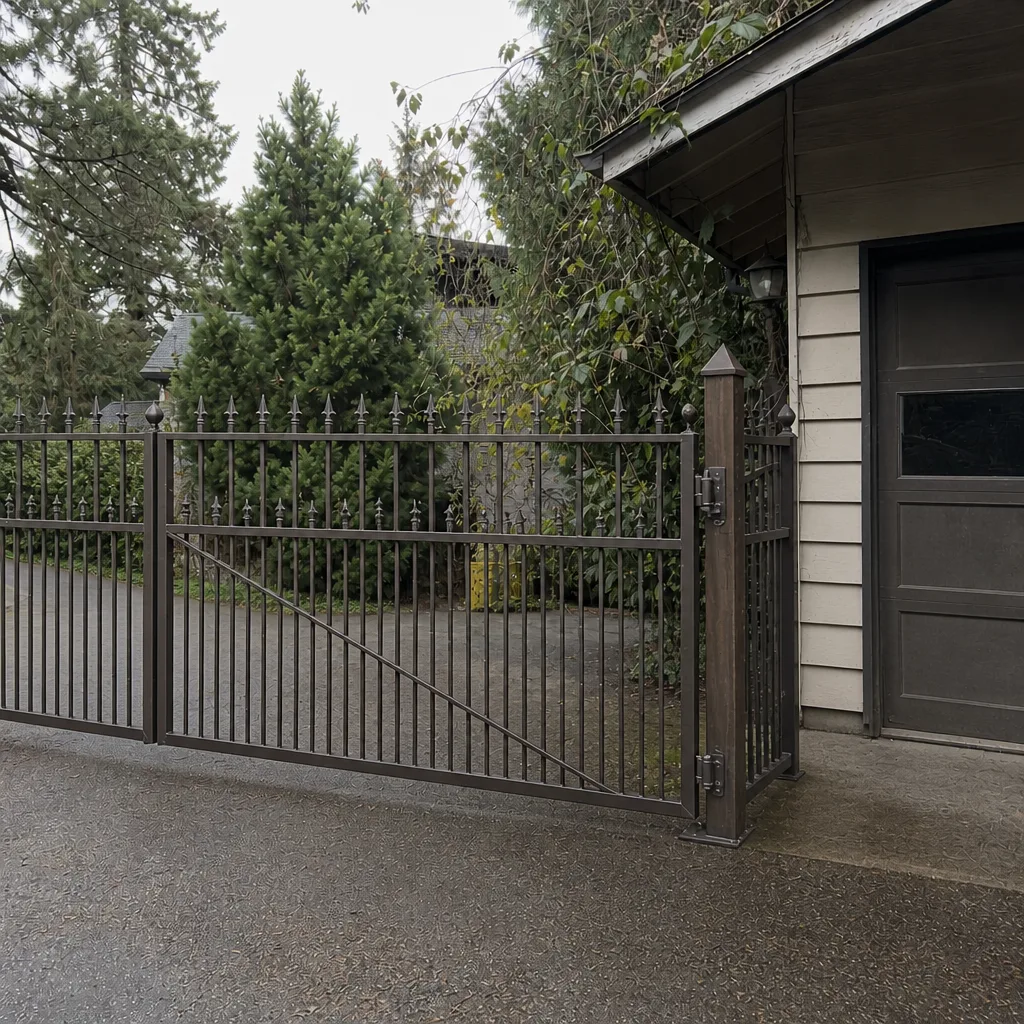 After
When to Call a Professional
Call a professional whenever the gate’s drive, wiring, control board, or safety edge is involved, or when a gate is stuck open and can’t be secured. Call immediately if wiring or the operator enclosure looks damaged, if the gate reverses repeatedly at close, or if a safety edge is failing. Call sooner rather than later when a gate is stuck closed on a slope with a vehicle inside that needs to get out. For everything else, a scheduled visit during dispatch hours is almost always enough.
Gate Repair Multnomah Village offers free estimates in Multnomah Village, and we service the full range of gate repair: mechanical work, motor and opener service, control-board and wiring repairs, access-control programming, and new installations. Whether your gate uses a Ghost Controls operator or an older DoorKing unit, our technicians have up to 14 years of experience working on the system you already own. Call (833) 508-9284. We answer 24/7. Fast dispatch from 7am to 7pm, Sunday through Friday. A call outside dispatch hours is booked into the next opening, Sunday through Friday, 7am to 7pm.
Frequently Asked Questions
Yes, most automated gates have a manual release. The safety step that matters is supporting the gate’s weight before you operate the release, so it doesn’t swing or slide unexpectedly once the drive disengages. Find the release on your operator housing, hold the gate, release, and move it by hand.
A gate stuck open leaves a security exposure at the street line, and if it’s blocking a sidewalk or lane, it’s also a public safety issue. A gate stuck closed usually becomes an access problem you can plan around for a day if nobody needs to get through. That’s the general rule we use, and it matches how we prioritize calls.
Look at the operator housing and any attached battery box or aux box. Most automated gates have some battery reserve, and some have a separate battery enclosure. Check the model number and any indicators on the housing. If it’s unclear, a technician can confirm it on a service visit.
Make it safe immediately. Put something visible on the street side of the gate travel and block it so it can’t move further, then call for service. If the gate is physically blocking a pedestrian way and can’t be moved, call the local non-emergency line to flag it while you arrange the repair.
Not by adjusting the safety edge or the reversing logic. If your gate reverses at close, that’s usually a limit switch, safety edge, or sensor-loop fault, and it needs a technician to test the safety systems properly. Never bypass the safe-reversing feature to get the gate to close.
We service the major gate automation brands we’re trained on, including LiftMaster, FAAC, BFT, Linear, Viking, Ghost Controls, DoorKing, Elite, and Mighty Mule. If your gate uses one of those, we can diagnose the installed system and tell you honestly whether a repair or a replacement is the right call. If it’s a brand we haven’t listed, we’ll still tell you what we can and can’t do before we quote anything.
The Bottom Line
The real emergency preparation is knowing how your gate releases and how it fails. Two gate emergencies in Multnomah Village, one stuck open and one stuck closed, have opposite priority profiles: one is a security exposure, the other is an access question you can usually schedule. Manual release works differently across slide, articulated-arm, and underground operators, and the critical step for all of them is supporting the gate’s weight before you touch the release. Battery backup works only when tested. And any failure touching wiring, safety edges, or control boards belongs to a technician, not to a homeowner with a screwdriver. Call (833) 508-9284 for a free estimate. We answer 24/7. Fast dispatch from 7am to 7pm, Sunday through Friday.
Written by the team at Gate Repair Multnomah Village.