
Last updated November 25, 2026
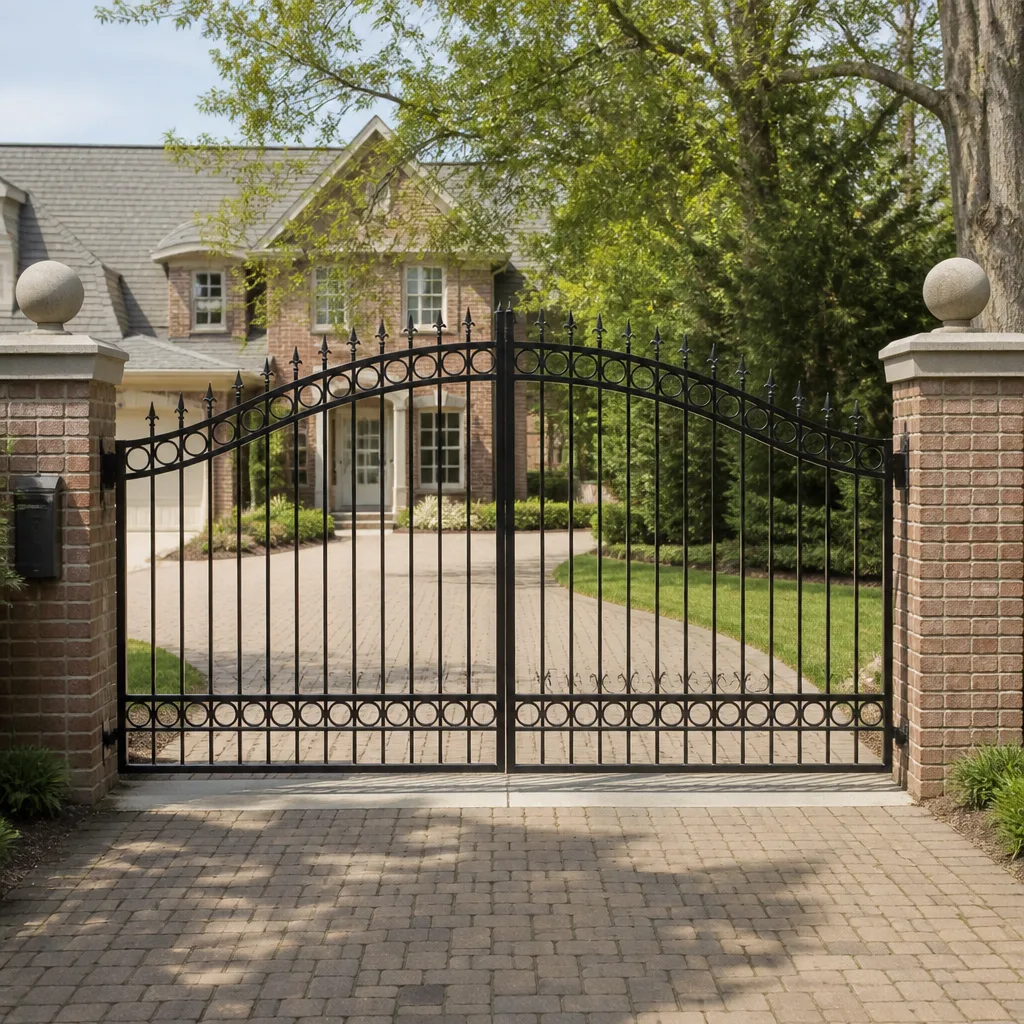 Wrought iron
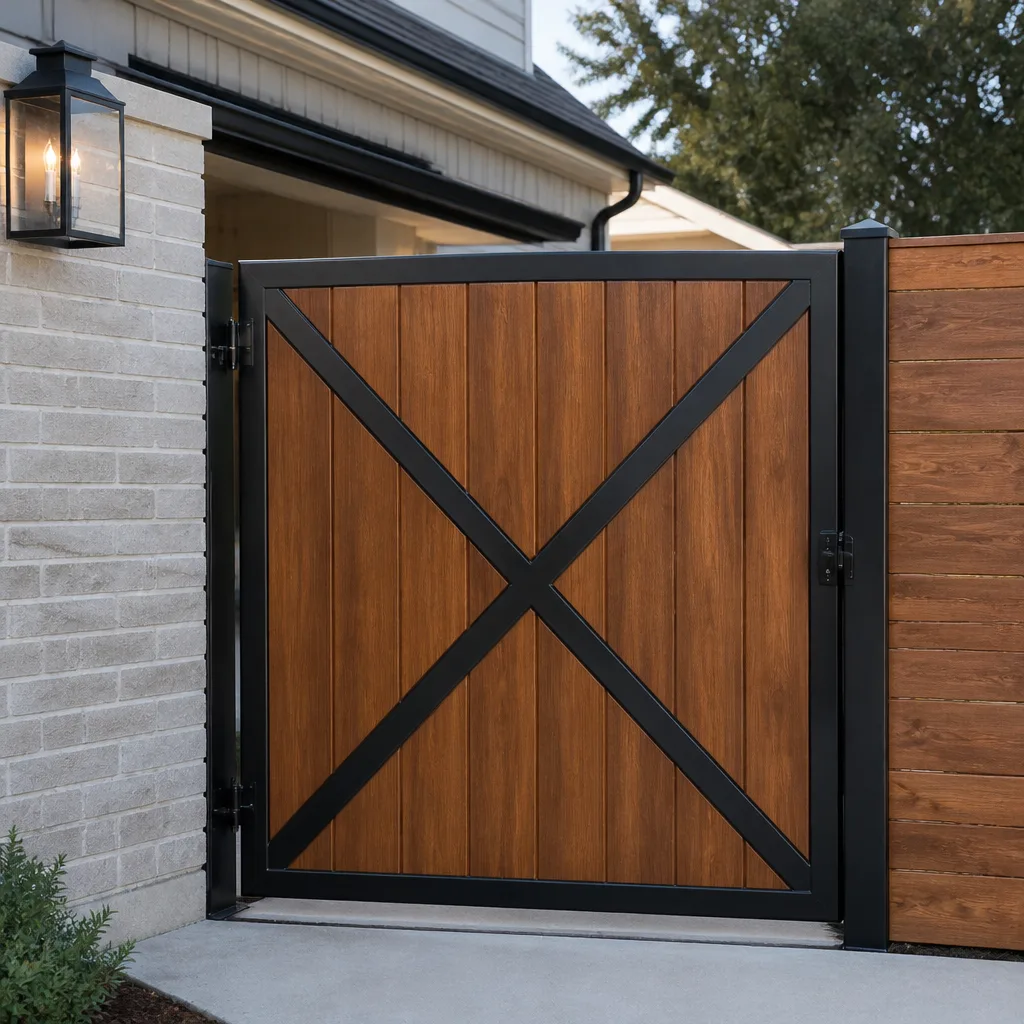 Wood & steel frame
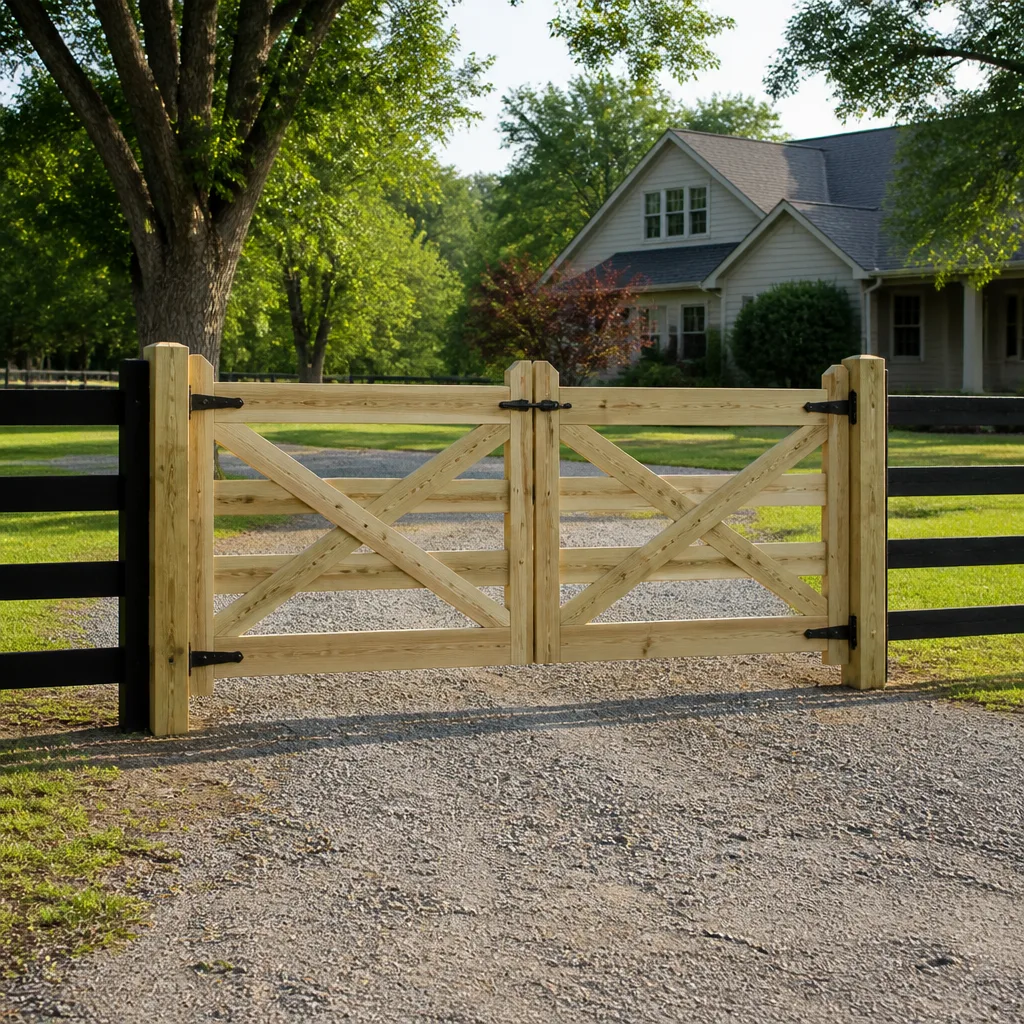 Farm & ranch
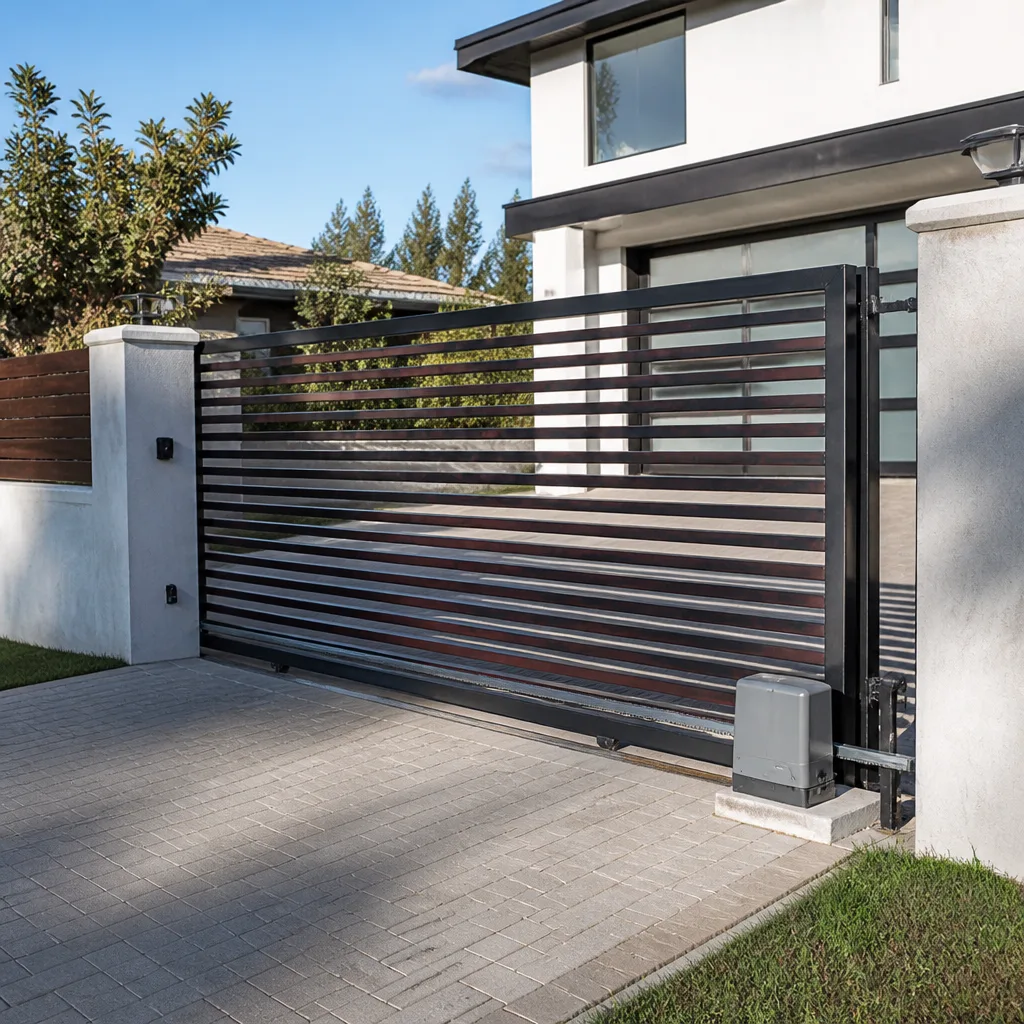 Sliding driveway gates
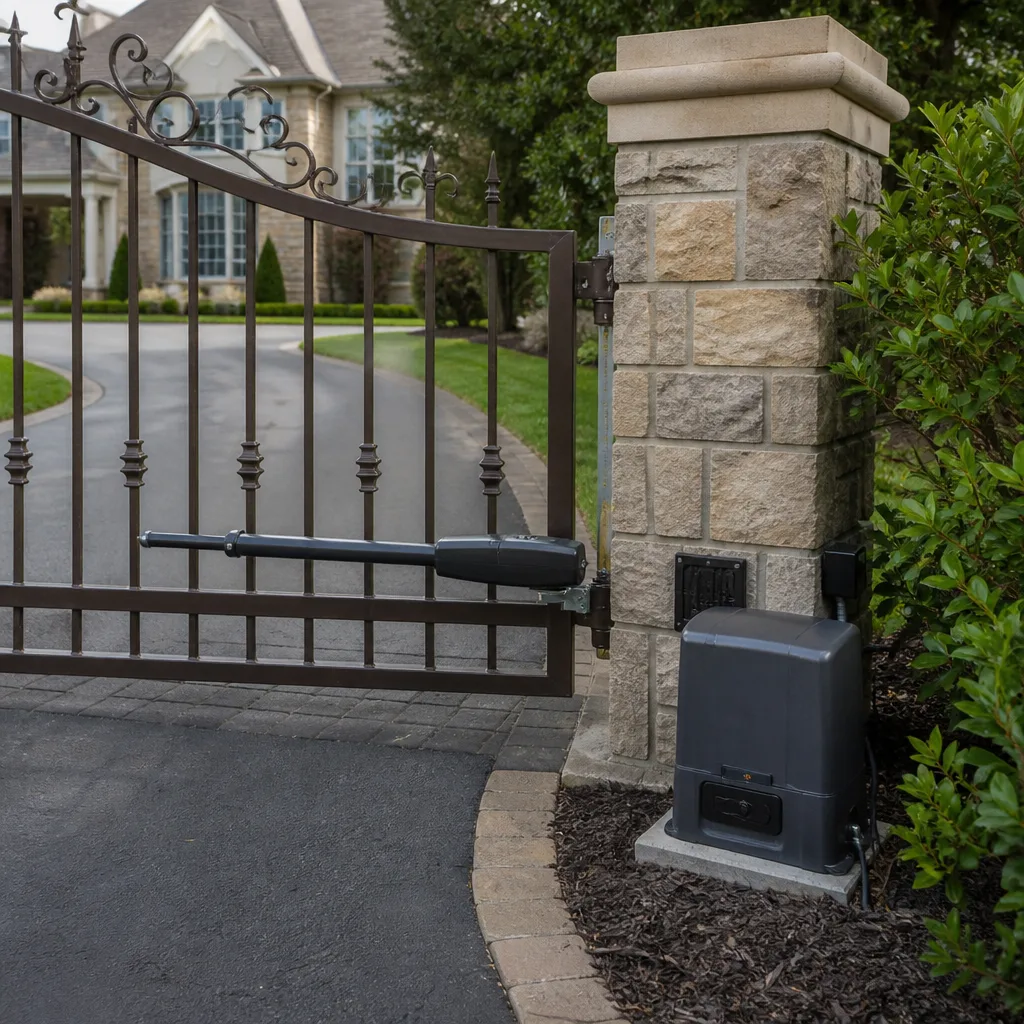 LiftMaster operators
Free on-site gate assessment - hinges, posts, and your LiftMaster or Nice gate operator checked before anything is quoted
The assessment is free and the quote is the invoice.
Get your free estimateGate Repair Cost Breakdown: The Multnomah Village Homeowner’s Reference for 2026
A $200 gate repair quote and a $600 quote can be for the same job. That’s the uncomfortable truth about gate repair pricing, and it trips up a lot of homeowners the first time they gather bids. The gap usually isn’t profiteering or a scam. It’s a difference in scope: what one contractor counts as “the repair” and what another quietly leaves out of the written estimate. This guide walks through the real cost structure behind gate repair in Multnomah Village, from hinges to control boards, so you can read a quote and know what’s actually in it.
Quick Answer
Gate repair in Multnomah Village typically runs $150 to $900 for mechanical work and $250 to $1,800 or more for electric and automated system repairs, depending on the failed component and the brand. Diagnostic time, parts sourcing, and whether the job touches the control board, wiring, or safety edges are what move the number most. Every repair should be quoted in writing before any work starts, and the written scope, not the headline price, is what separates one bid from another.
Styles & brands we work with
- Wrought iron
- Wood & steel frame
- Farm & ranch
- Sliding driveway gates
- LiftMaster operators
Table of Contents
- Why Two Quotes for the Same Gate Repair Can Differ by Three Times
- Mechanical Gate Repair vs. Automation Repair: What Drives the Price Gap
- 2026 Parts Cost Ranges by Component Category
- How Diagnostic Labor Is Priced (and Why “Free Estimates” Often Aren’t)
- OEM vs. Aftermarket Parts: When Saving Money Is Fine and When It Isn’t
- Emergency Calls, After-Hours Pricing, and What Actually Counts as Urgent
- How Brand Affects Repair Cost: LiftMaster, FAAC, BFT, Linear, and More
- How to Read a Gate Repair Quote Line by Line
Why Two Quotes for the Same Gate Repair Can Differ by Three Times
The single biggest reason gate repair quotes swing so wildly is that “repair” isn’t a defined unit. One contractor quotes a hinge replacement as labor plus the hinge. Another quotes labor, the hinge, a hardware kit that includes bolts and bushings, a post inspection, and a realignment. Both call it a hinge repair. The second scope often costs more upfront and less over the following year because it addresses the wear that caused the failure in the first place.
Electric gate systems amplify this problem. A quote for “gate opener repair” might cover only the motor swap, or it might include control board testing, limit switch calibration, safety edge verification, and a full electrical draw check. The second contractor is doing the work a proper repair requires. The first is doing the minimum to make the gate move again.
In Multnomah Village, where a lot of properties sit on sloped lots with older gate installations, we see this play out constantly. A gate on an incline stresses the opener harder than one on flat ground, so a repair that skips the mechanical side and only replaces the motor often fails again within months. That’s not a workmanship problem in the traditional sense. It’s a scope problem. The technician replaced the part they were asked to replace and never looked at why that part failed.
When you gather bids, don’t ask “What’s the price?” Ask “What’s included in that price?” The answer tells you more than the number does.
Mechanical Gate Repair vs. Automation Repair: What Drives the Price Gap
Mechanical gate repair and automation repair are two different trades wearing the same name, and their pricing reflects that. Mechanical work involves the physical structure: hinges, latches, tracks, rollers, frames, posts, and the manual weight of the gate leaf. Automation work involves the electrical and electronic systems that move the gate: motors, control boards, safety edges, wiring, keypads, and access control.
The price gap comes down to technician time and specialty tooling.
- Mechanical repairs are often diagnosed and completed in a single visit. Hinge, latch, and track problems are visible. A technician with hand tools can usually complete the work on the spot.
- Automation repairs require diagnostic equipment: multimeters, control board testers, and brand-specific programming tools. The diagnosis alone can take an hour or more because the fault might be in the wiring, the board, the opener, or the safety edges – and those all look the same from the outside.
Automation also demands brand knowledge. A technician who works on LiftMaster and DoorKing every week reads a FAAC or BFT control board differently than someone seeing it for the first time. Our technicians have up to 14 years of experience across those platforms, and that familiarity shaves real time off diagnostics. It also means we can honestly tell you when a $400 repair is the right call instead of a $1,400 opener replacement.
That judgment is where the numbers get interesting. A brand-agnostic technician trained on competing systems has no reason to steer you toward replacement just because the installed brand isn’t the one they stock. The quote reflects the diagnosis, not the inventory.
2026 Parts Cost Ranges by Component Category
Parts make up a large share of any gate repair, and 2026 supplier pricing has shifted across categories. Below are the ranges we see for typical residential and light commercial gate systems. These are estimated ranges, not a quote for your specific gate, and installation labor is priced separately.
- Hinges, rollers, and latches: $30 to $150 per component for standard residential gates. Heavy-duty commercial hinges run higher.
- Gate actuators (arm or ram style): $300 to $900 depending on whether the gate is single or dual leaf and the gate weight the actuator is rated for.
- Control boards: $150 to $600. Brand has a lot to do with this; commercial-grade boards (DoorKing, FAAC) tend to run at the top of the range.
- Safety edges and photo-eye sensors: $80 to $350 per unit. Photo eyes and edge sensors are often priced as a set when both sides of the gate are being protected.
- Keypads and entry systems: $120 to $500 for residential keypads. Commercial multi-user access systems with intercom integration price higher because of the control hardware.
- Wiring and conduit runs: $1 to $4 per linear foot, depending on terrain and whether new conduit is required. Sloped lots in Multnomah Village add real cost here because the run has to follow the grade.
- Batteries and backup power: $40 to $150. Battery backup on automated gates is often the cheapest failure to fix and the one most often skipped in a low bid.
Treat these as ranges to measure a quote against, not as a substitute for a written estimate. When a quote comes in well under the low end for a category, ask what part is being used and whether it’s the correct rating for your gate. When it comes in well over, ask what the extra covers.
How Diagnostic Labor Is Priced (and Why “Free Estimates” Often Aren’t)
Diagnostic labor on an electric gate system is where a lot of quotes get quietly reshaped. On a purely mechanical repair, the problem is usually visible in a few minutes: a hinge is sheared, a latch doesn’t catch, a roller is frozen. Diagnostics are almost free because the diagnosis is obvious.
On an automated system, diagnostics are real work. A gate that won’t open could have a bad opener, a failed control board, a short in the wiring, a misaligned safety edge, a dead battery, or a limit switch that’s drifted out of position. Finding the fault means testing each system in sequence, and the technician needs the actual installed hardware in front of them to do it.
When a contractor advertises a “free estimate” on an electric gate, the estimate is often free because the diagnostic labor isn’t included in it. That creates the scope gap that produces wildly different quotes for the same system. Here’s what a proper diagnostic visit covers:
- Mechanical inspection of hinges, tracks, rollers, and the gate leaf itself, including alignment and weight distribution.
- Electrical draw check at the opener, including battery backup and voltage at the motor terminals.
- Control board inspection, including any fault codes the board is logging.
- Safety edge and photo-eye verification, since a failed safety sensor can lock out the entire system.
- Wiring and conduit inspection where accessible, especially for buried runs.
- Access control verification, including keypad and intercom function if installed.
We price diagnostics as part of the job, not as a separate fee, and every estimate is in writing with the scope laid out. If a quote you receive doesn’t specify whether diagnostics are included, ask directly. That one question separates serious quotes from scope-reduced ones.
OEM vs. Aftermarket Parts: When Saving Money Is Fine and When It Isn’t
Aftermarket parts can save you real money, and on some components they’re perfectly safe. On others they cost you more over the life of the gate. The dividing line is whether the part carries safety load, structural load, or just convenience.
- Aftermarket is usually fine for: hinges, latches, rollers, cosmetic hardware, and battery backup units rated to the same specification as the original.
- Aftermarket is risky for: control boards, safety edges, photo-eye sensors, and the gate actuator itself. These components interact with the opener’s firmware and safety logic. A board that’s nearly compatible can produce intermittent faults or fail to disarm the safety edges correctly.
Safety edges deserve the strongest warning here. The safety edge is what stops the gate from closing on a person, a pet, or a vehicle. A cheap aftermarket edge that triggers inconsistently or fails silently defeats the entire purpose of the mechanism. We never install a safety edge we can’t verify function on.
On brand-specific parts, the manufacturer matters again. BFT and Viking gates have specific part families that don’t always interchange with generic equivalents. A Linear or Ghost Controls opener has its own board architecture. On systems like those, sourcing the correct part through the brand’s channel is part of the job rather than a markup exercise. When a quote offers an aftermarket substitute on the actuator or the board, ask whether the technician has verified compatibility with the installed firmware. If they haven’t, that’s your answer.
Emergency Calls, After-Hours Pricing, and What Actually Counts as Urgent
Gate failures generate a lot of calls that turn out to be daytime Monday repairs, and a smaller number that genuinely need faster attention. Knowing which is which helps you avoid paying for urgency you didn’t need – and helps you communicate clearly when you’re calling around for quotes.
What counts as a genuine emergency:
- Security failure on a property with no secondary access control. If the gate is the only barrier to a driveway, a yard, or a commercial lot, a gate stuck open creates a real exposure.
- A gate stuck in the closed position with vehicles trapped inside. This is a safety issue, and it usually requires on-site intervention even if the eventual repair is scheduled.
- A gate that’s actively malfunctioning and moving unpredictably. A gate that cycles on its own, reverses without input, or moves while someone is walking through is a hazard, not a nuisance.
- Electrical faults, smoke, or visible damage to the control box. Any sign of overheating or burning near the opener is a call today, not next week.
What can usually wait for a scheduled appointment:
- A gate that won’t open with the remote but opens manually.
- A keypad or intercom that’s not responding but the gate itself works.
- A gate that’s slower than usual but still functional.
- A safety edge or photo eye that’s showing a fault code but the gate still operates with caution.
We answer 24/7 and run fast dispatch from 7am to 7pm, Sunday through Friday. We’re closed Saturday. A call that comes in outside dispatch hours is booked into the next opening. The written estimate is what sets the price, and that price is quoted and agreed before any work starts.
How Brand Affects Repair Cost: LiftMaster, FAAC, BFT, Linear, and More
Different brands have different parts availability, different firmware behavior, and different diagnostic complexity, and that shows up in the repair quote. The brand installed in your Multnomah Village gate isn’t the deciding variable, but it’s a contributing one.
- LiftMaster is widely represented in residential gates, and parts are generally available through common channels. Diagnostics are usually straightforward if the technician works on the platform regularly.
- FAAC and BFT are heavier commercial and high-duty residential platforms. Parts are more specialized and sometimes sourced from a narrower set of channels, so lead time can factor into the estimate.
- Linear sits in the residential-to-light-commercial range with predictable parts pricing on most components.
- Viking and Ghost Controls have residential emphasis with their own board architecture. A technician trained on those systems reads their fault behavior quickly, which keeps diagnostic time down.
- DoorKing tends toward commercial access systems. Diagnostics can run longer because the system integrates entry control, keypads, and sometimes intercom, and every subsystem needs to be checked in sequence.
- Elite and Mighty Mule round out the residential side of the field. On Mighty Mule and similar budget-line openers, there’s a point where a control board failure costs a meaningful fraction of a full opener replacement, and the honest recommendation can be either depending on the gate’s age and condition.
This is where brand-agnostic service matters. If the technician only knows one or two platforms, they’ll steer every diagnosis toward the systems they know. We work on the gate you already have, and we’ve been trained across nine major automation brands. Whether your opener is a LiftMaster or a Mighty Mule, the goal is the same: fix what’s actually broken.
Gate repair is the whole job. If you need gate repair for a brand that isn’t the industry default, that shouldn’t change the diagnosis.
How to Read a Gate Repair Quote Line by Line
A written quote for gate repair should answer five questions on one page. If it doesn’t, ask before you sign. We use this checklist with every estimate we write, and it’s the same list we recommend to any Multnomah Village homeowner evaluating competing bids.
- What’s the diagnosed failure? A quote should name the failed component and explain why it failed. “Motor won’t start” is a symptom, not a diagnosis.
- What’s being replaced, and with what part? Every part should be identified by category, brand, and whether it’s OEM or aftermarket. On safety edges and control boards, this matters.
- Is diagnostic labor included in the total? If not, ask what the diagnosis costs separately.
- Are safety components being verified? A repair quote on an automated gate should always include safety edge and photo-eye verification. If it doesn’t, the scope is incomplete.
- What’s the total, and what’s excluded? Exclusions are where low quotes get expensive. A “total” that doesn’t list what it excludes isn’t a total.
The written estimate sets the final price, and we don’t start work until both sides have agreed to it. If you’re replacing an opener rather than repairing one, the same discipline applies: gate motor & opener work should be quoted in writing with the model and part specified. If a repair isn’t the right call and a full gate installation is, that estimate should be just as detailed.
Common Mistakes to Avoid
- Comparing quotes on price alone. A $200 bid for a control board replacement and a $600 bid for a control board replacement, wiring diagnosis, and safety edge verification are not the same scope. Compare what’s inside the line items, not just the bottom line.
- Assuming a free estimate is free. On electric gate systems, a free estimate often excludes diagnostic labor, which means the quote you compare isn’t a full quote. Ask explicitly what’s included.
- Letting a technician replace a motor without diagnosing the mechanical side. If the gate is binding or misaligned, a new motor will work harder and fail again. In Multnomah Village, sloped-lot gates are especially prone to this. The mechanical inspection has to happen first.
- Accepting aftermarket safety edges to save money. Safety edges are the one component where “close enough” isn’t acceptable. A cheap edge that fails to disarm on contact is a real hazard.
- Skipping the post and hinge inspection. Gate posts and hinges take the load of the entire gate, and a sagging post will undo every other repair you make. Inspection is part of a proper gate repair, not an upsell.
- Assuming a keypad failure means the keypad is broken. Keypad failures are often wiring or access control board issues. Replacing the keypad without checking the run is a common misdiagnosis.
- Ignoring the battery backup. Many electric gate opener problems that look like opener failures are actually dead battery backup cells. It’s one of the least expensive parts to check and the most often skipped in a rushed quote.
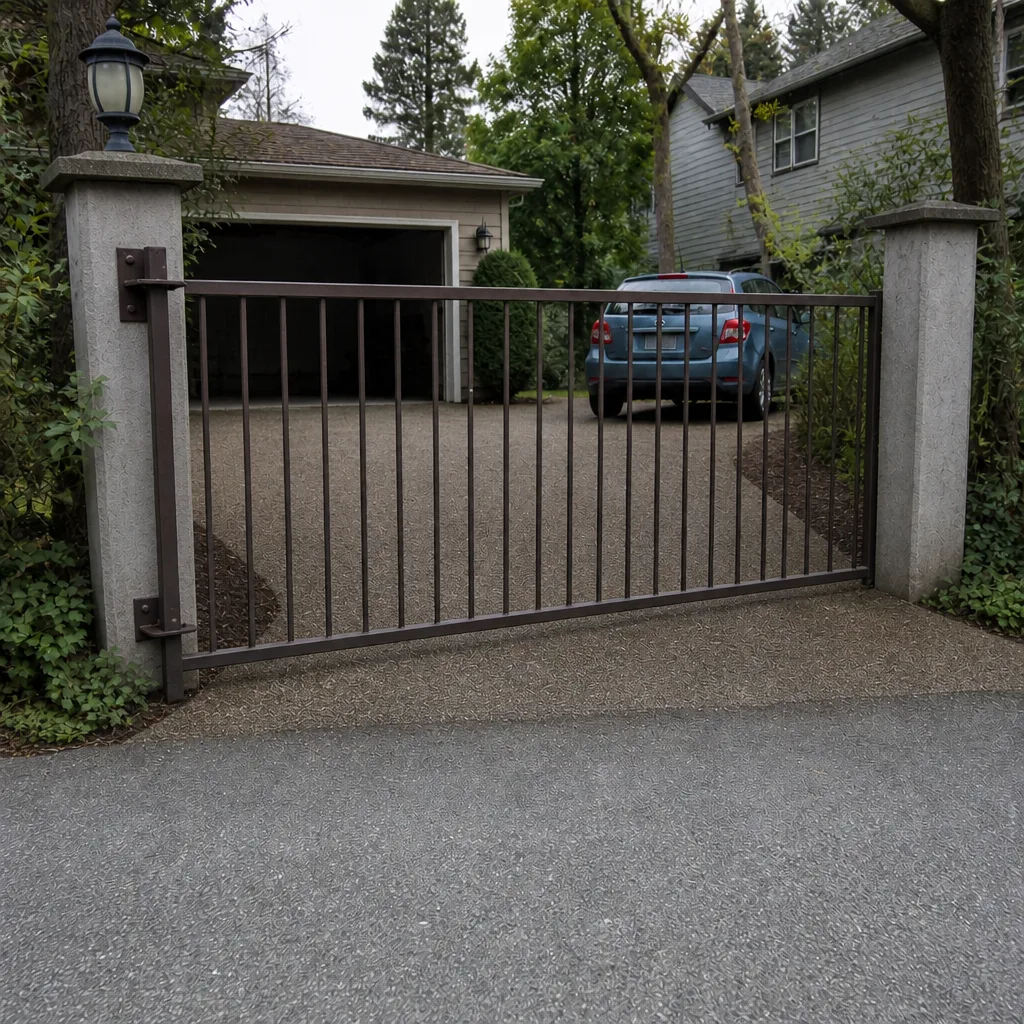
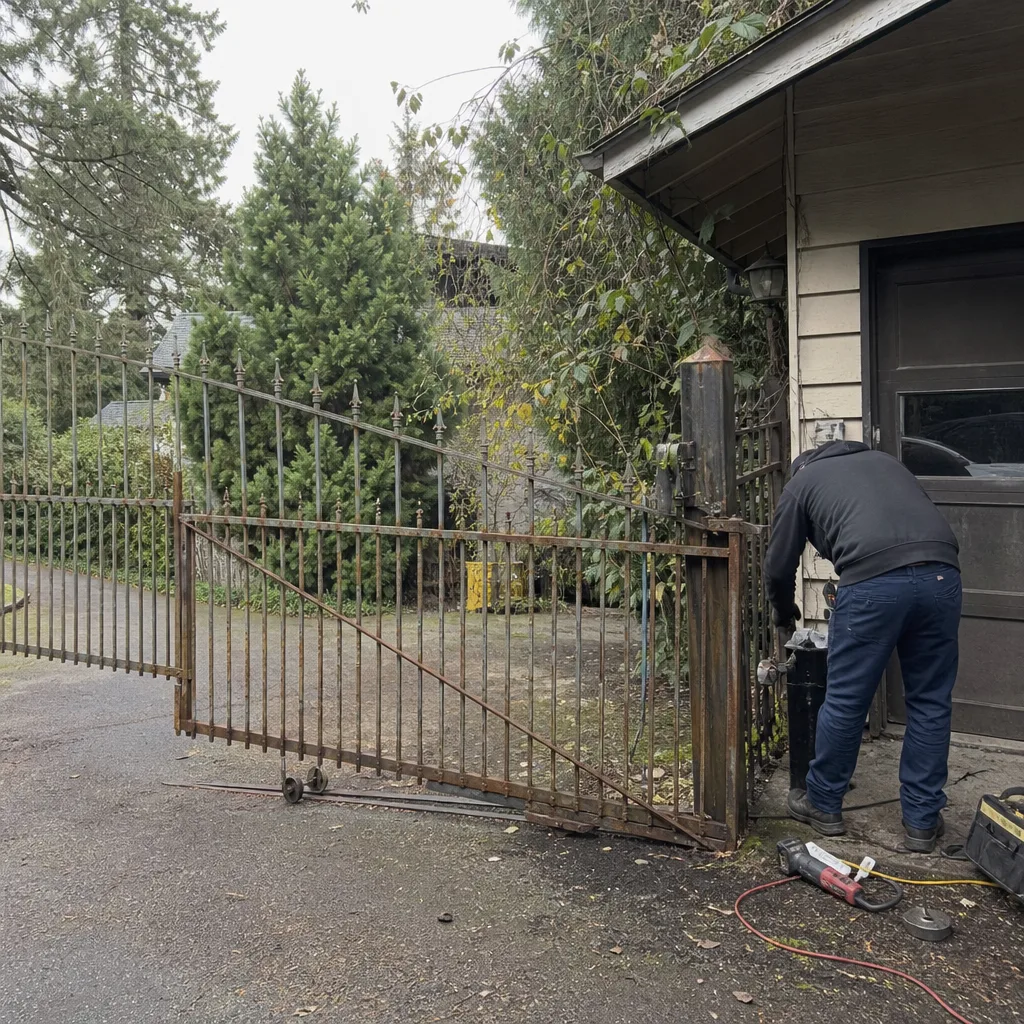
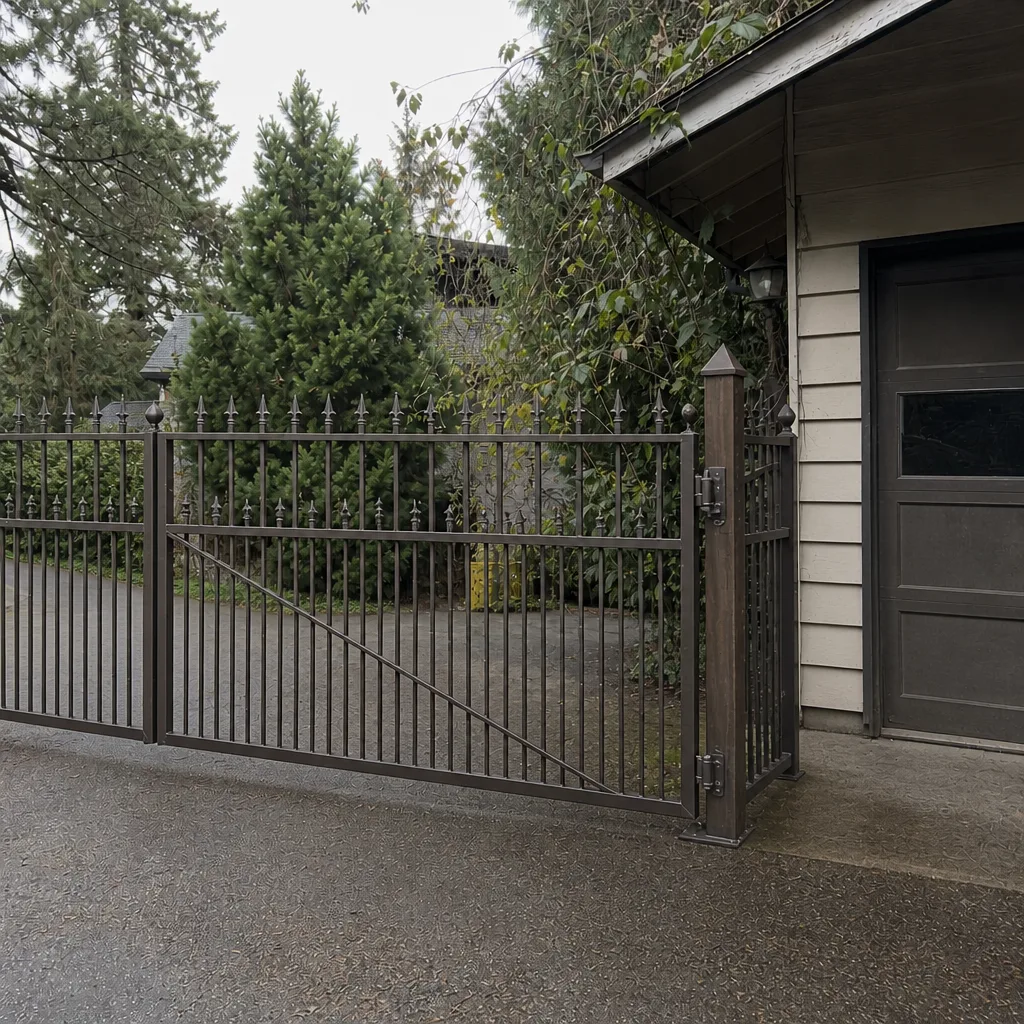
See the difference
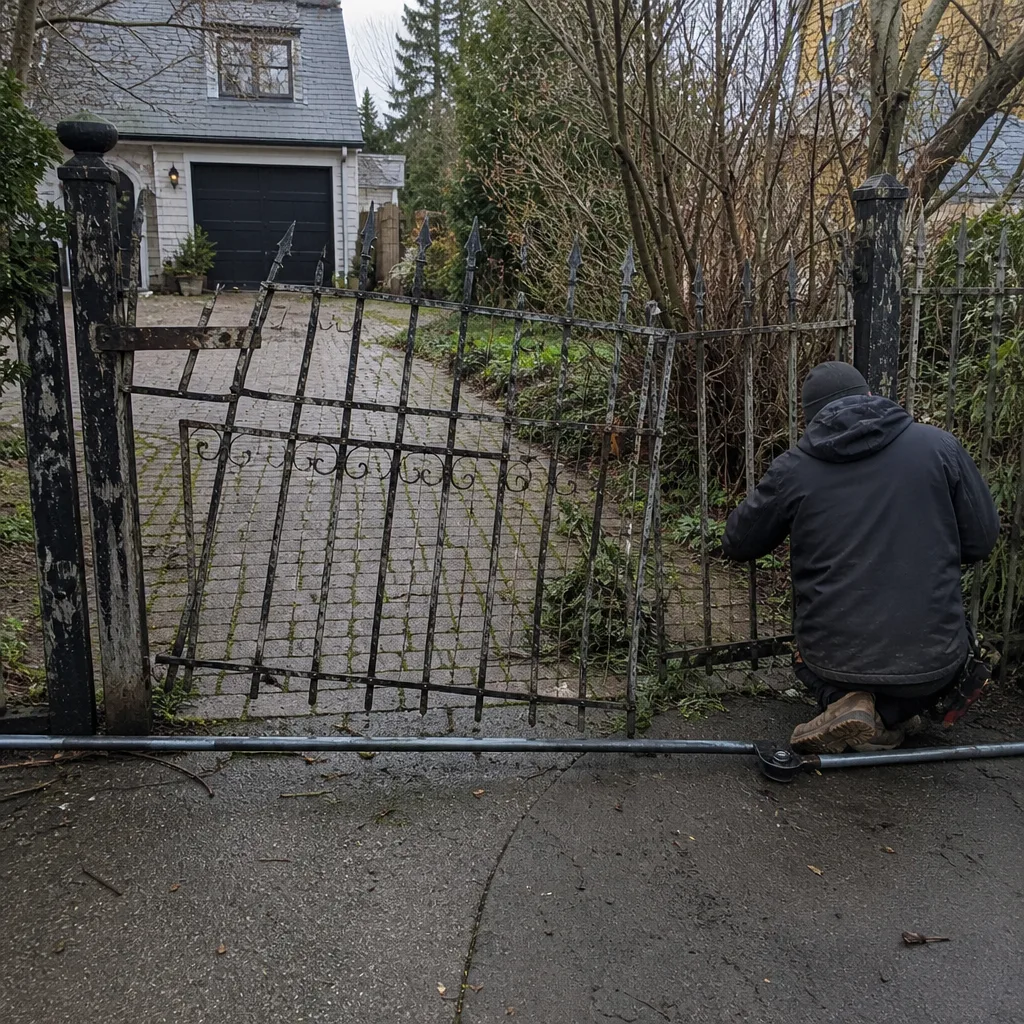 Before
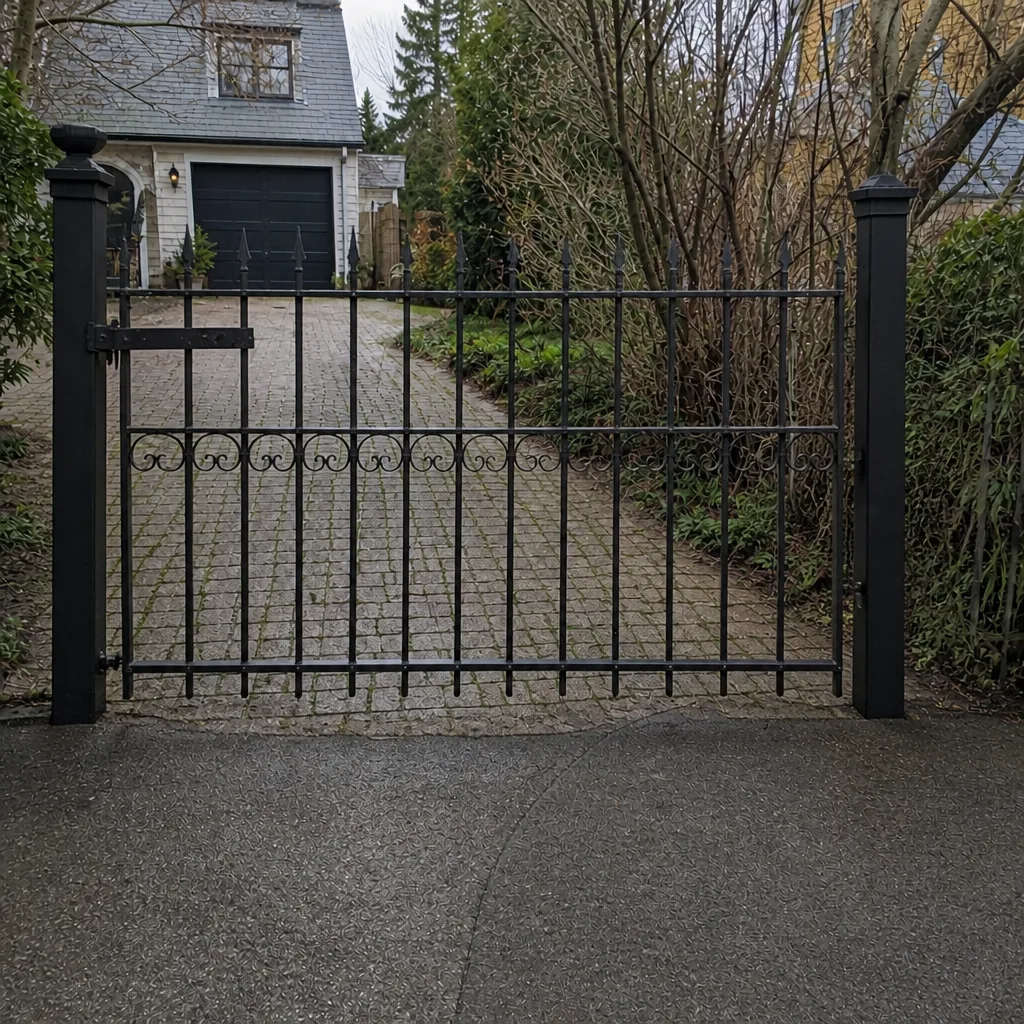 After
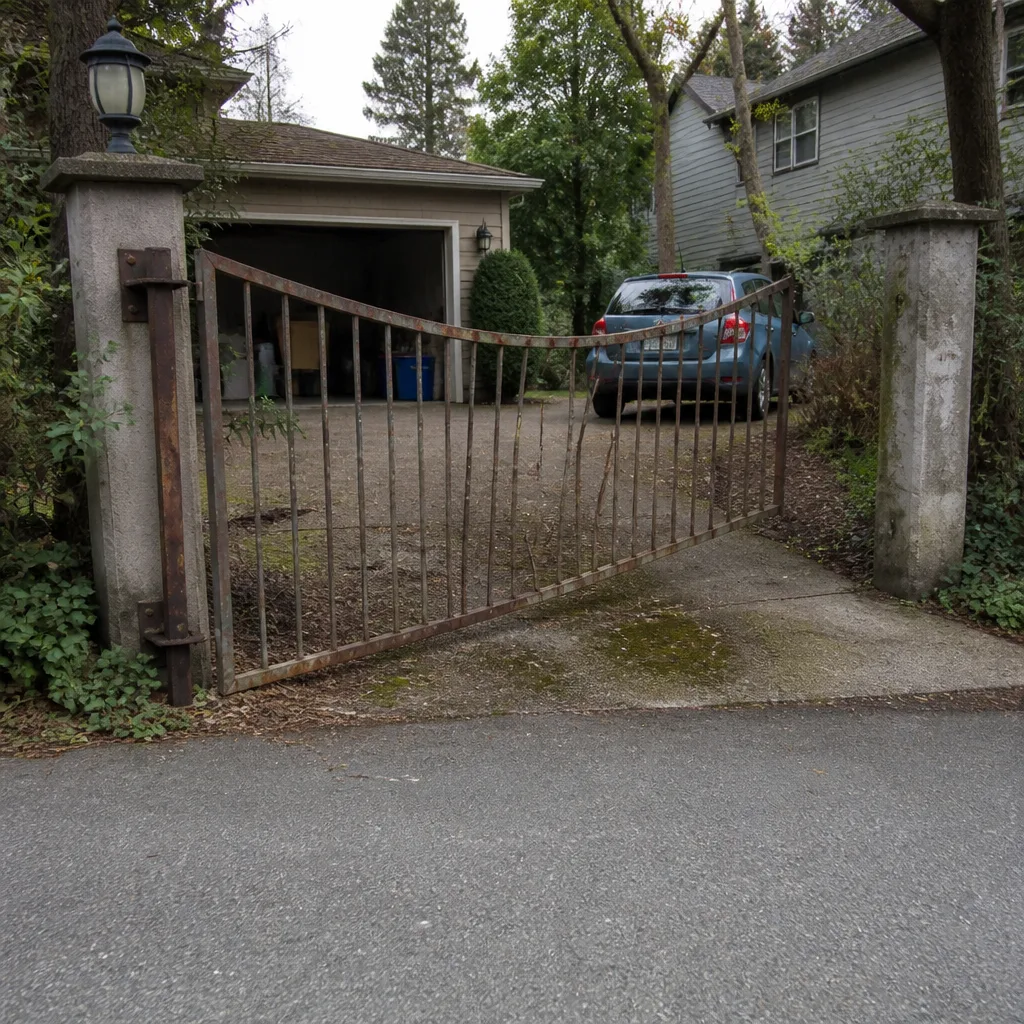 Before
 After
 Before
 After
When to Call a Professional
Some gate problems can be sorted out by a homeowner with basic tools, but others genuinely need a trained technician on site. A hinge that needs tightening is manageable. A gate that’s moving unpredictably, an opener that’s logging faults, or any sign of electrical damage at the control box should bring a professional out. High-voltage wiring, control board work, and safety edge diagnosis all carry risk, and getting it wrong can defeat the very safety systems that should protect you and anyone walking through the gate.
Same-day repair is often possible for mechanical issues we can diagnose over the phone. Electric gate repair tends to require an on-site diagnostic first because the fault can live in several places. Window shopping for quotes is healthy, and comparing two written scopes side by side is the right move. Gate Repair Multnomah Village offers free estimates in Multnomah Village. Call (833) 508-9284. We answer 24/7, with fast dispatch from 7am to 7pm.
Frequently Asked Questions
Gate repair in Multnomah Village typically runs $150 to $900 for mechanical repairs and $250 to $1,800 or more for electric and automated system repairs, depending on the failed component, the brand, and what’s included in the scope. The written estimate is what sets the final price, and it’s quoted before work starts. Call (833) 508-9284 for an exact quote – estimates are free.
Often, yes. Same-day repair is possible for many gate failures, and mechanical problems can sometimes be diagnosed over the phone before the visit. Electric gate faults usually need an on-site diagnostic to isolate. We answer 24/7 and run fast dispatch from 7am to 7pm, Sunday through Friday. Call (833) 508-9284 for an exact quote.
A complete estimate should include the diagnosed failure, the parts being replaced with brand and OEM/aftermarket status, diagnostic labor, safety edge and photo-eye verification, and any exclusions. If a quote you receive doesn’t list exclusions, ask for them before you compare bids. Call (833) 508-9284 – estimates are free and we’ll walk you through the scope.
Yes. Power runs, control board work, safety edges, photo eyes, and access control integration are all within scope. This is where a gate specialist matters: general handymen often stop at the low-voltage side, and gate repair, full stop, is what we do. Call (833) 508-9284 for an exact quote.
It depends on the failure. A battery backup, limit switch, or safety edge is almost always cheaper to repair than to replace. A control board failure on an older opener can reach the cost of a new motor and opener, in which case replacement can be the better value. We tell you honestly which one fits your gate, and the written estimate lays out both if that’s the decision point. Call (833) 508-9284 – estimates are free.
We’re trained across nine major automation brands, including LiftMaster, FAAC, BFT, Linear, Viking, Ghost Controls, DoorKing, Elite, and Mighty Mule. That means we diagnose and repair the system you already have rather than steering you toward replacement because it’s a brand we don’t know. Call (833) 508-9284. We answer 24/7, with fast dispatch from 7am to 7pm.
Mechanical repair covers the physical structure: hinges, latches, tracks, rollers, posts. Automation repair covers the electrical and electronic systems: motors, control boards, safety edges, wiring, and access control. The two are priced differently because diagnostics on automation take longer and require brand-specific tools. When we look at a failing gate, we check both sides, because a mechanical issue often causes the automation to fail. Call (833) 508-9284 for a written estimate covering both.
The Bottom Line
The range for gate repair quotes in Multnomah Village isn’t a market failure; it’s a scope variance. Two contractors can quote $200 and $600 for the same physical repair, and the difference is usually what the cheaper bid isn’t including: diagnostics, safety component verification, mechanical inspection of the post and hinges, or the correct OEM part. Use the ranges in this guide to sanity-check what you’re being asked to pay, and use the quote checklist to see what each bid actually covers. Ask the question before you sign. Every repair should start with a written estimate, agreed in writing, before anyone touches the gate. That’s how you get value that holds up.
If you’re in Multnomah Village and need a gate technician who knows the brand that’s actually installed, call us at (833) 508-9284 for a free estimate. We answer 24/7. Fast dispatch from 7am to 7pm, Sunday through Friday, closed Saturday. For the parent overview of our gate work, see Gate Repair Multnomah Village.
Written by the team at Gate Repair Multnomah Village.