
Last updated November 25, 2026
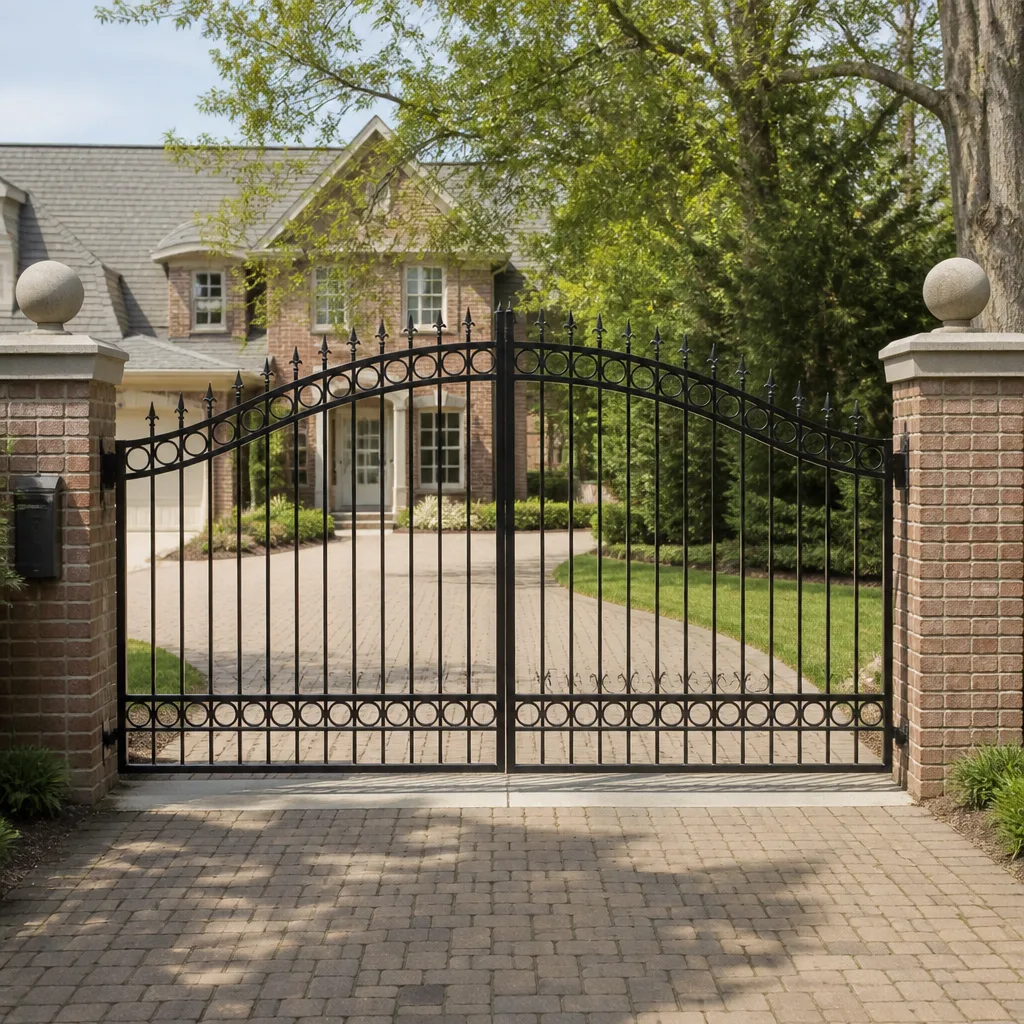 Wrought iron
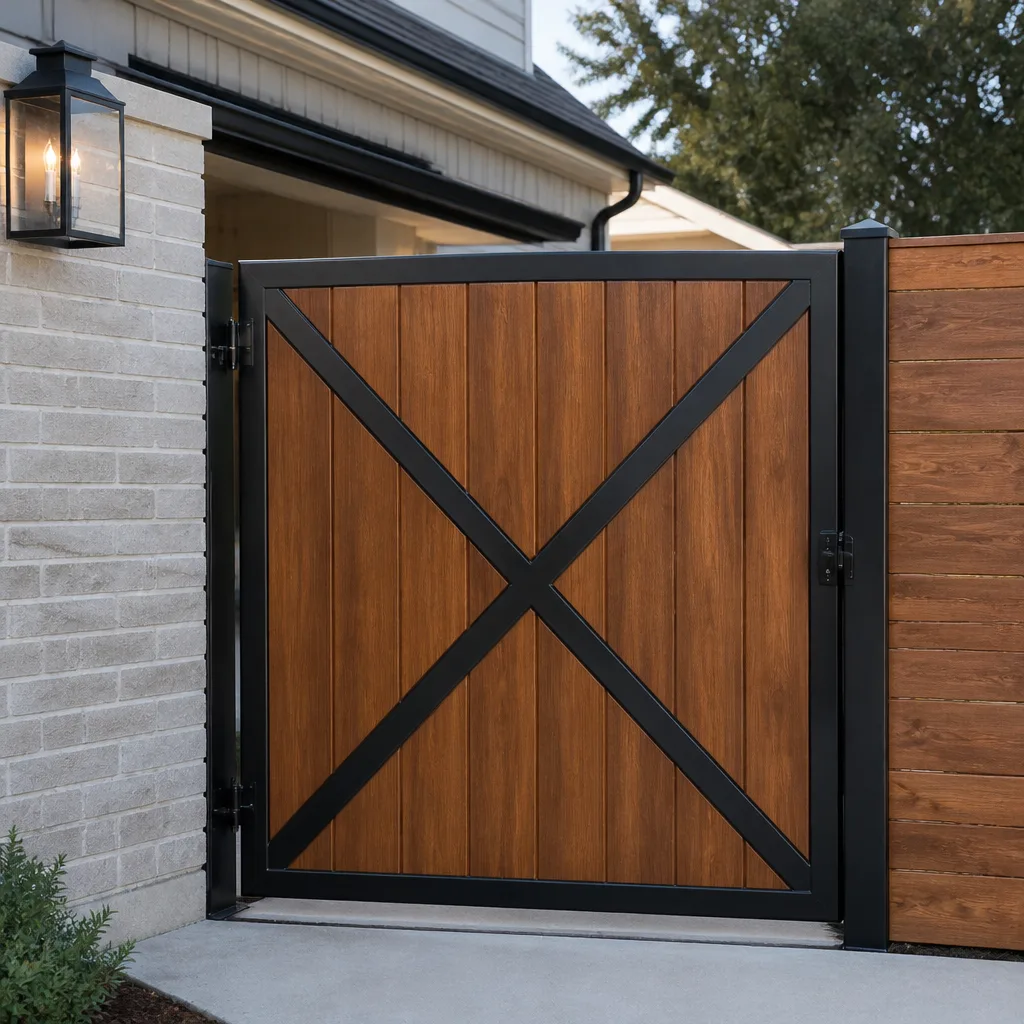 Wood & steel frame
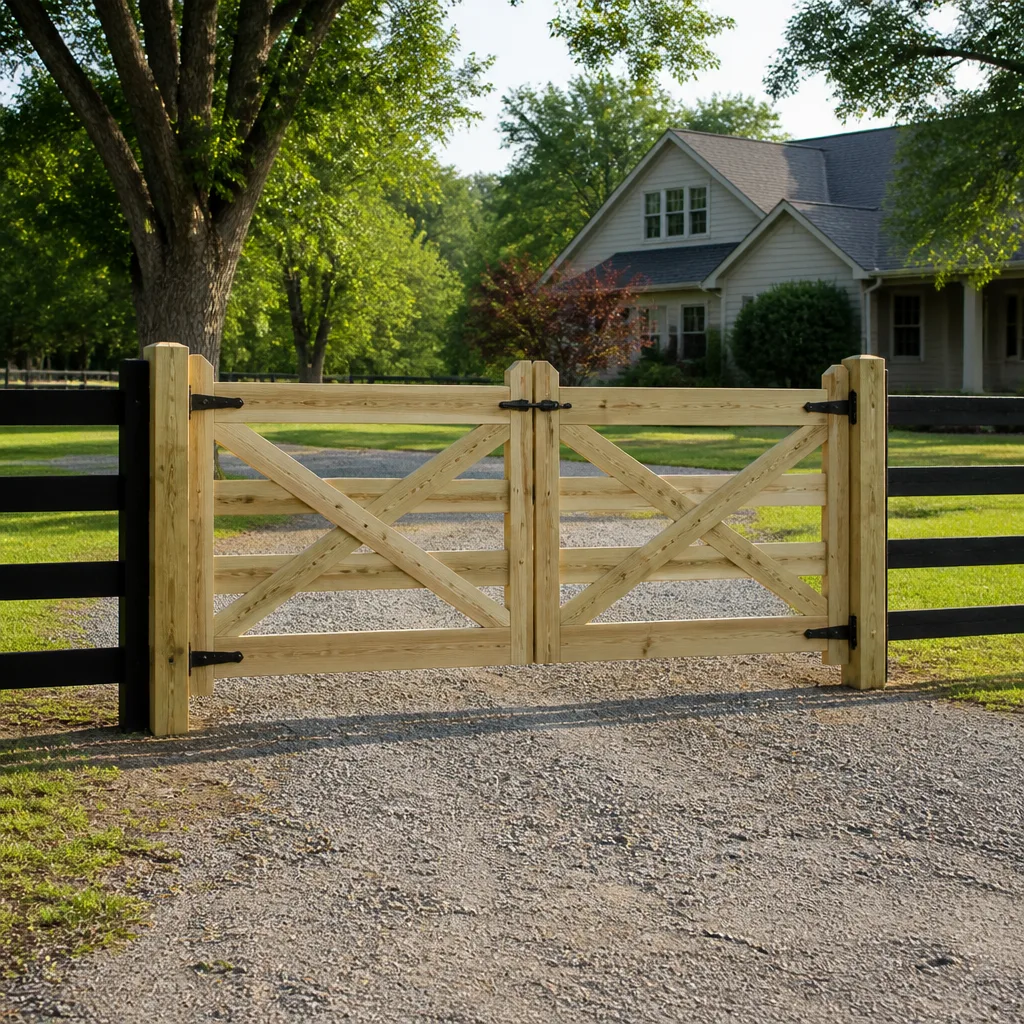 Farm & ranch
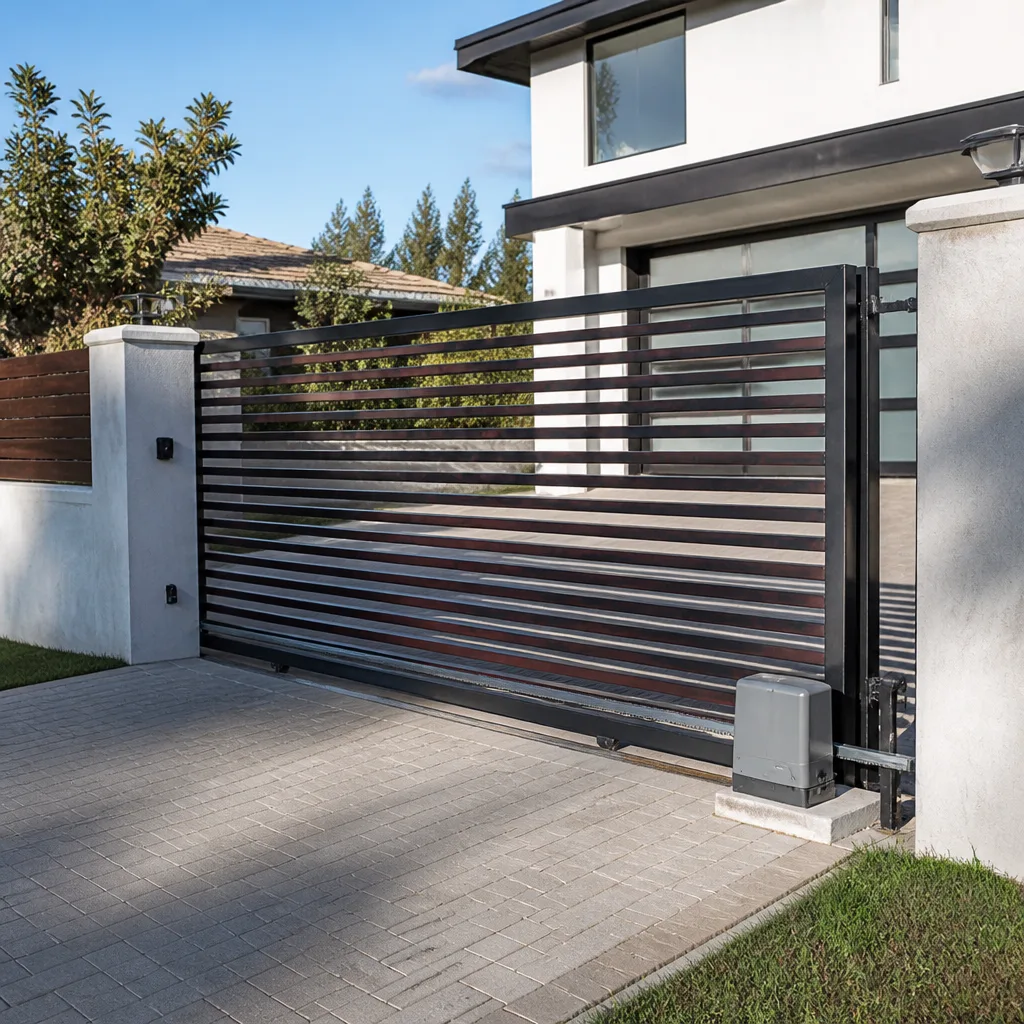 Sliding driveway gates
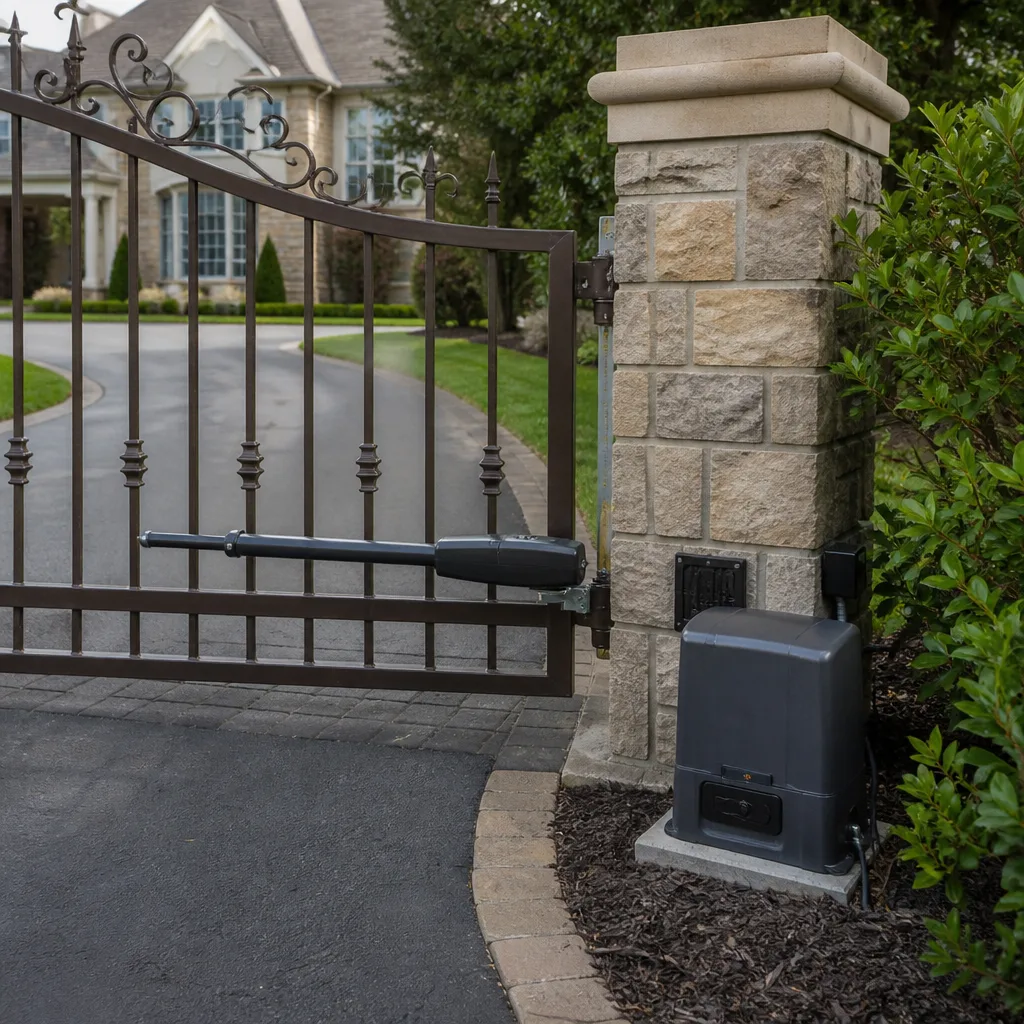 LiftMaster operators
Free on-site gate assessment - hinges, posts, and your LiftMaster or Nice gate operator checked before anything is quoted
The assessment is free and the quote is the invoice.
Get your free estimateChoosing the Right Gate Repair Brand: A Buyer’s Guide for Multnomah Village
The brand that wins the comparison articles is not always the brand that keeps your gate moving five years from now. When a gate fails, what decides whether you wait two days or two weeks is local parts availability, whether technicians in the Portland metro can still get technical support on that platform, and whether the installed system matches how hard you actually use the gate. A brand with glossy marketing and a proprietary control board can cost you more in downtime than a quieter brand with open architecture and a stocked distributor down the road. This guide walks through how to evaluate gate automation brands for a Multnomah Village property on the criteria that matter at year three and year five, not just on installation day.
Quick Answer
The right gate repair brand in Multnomah Village is the one whose parts are locally available in the Portland metro, whose control platform technicians can still get support on, and whose duty cycle fits how often your gate actually runs. In practice that means prioritizing brands with documented distributor networks and open or well-supported control boards over brands with the longest feature list. A repair-first, brand-agnostic approach almost always beats picking a brand by reputation alone.
Styles & brands we work with
- Wrought iron
- Wood & steel frame
- Farm & ranch
- Sliding driveway gates
- LiftMaster operators
Table of Contents
- Why Brand Selection Matters More Than You Think
- Parts and Technical Support Availability in the Portland Metro
- How Duty Cycle Ratings Translate to Real-World Performance
- Proprietary vs. Open-Architecture Control Boards
- The Upgrade Path: Access Control and Credential Changes
- Five-Year Cost of Ownership Comparison
- Why a Brand-Agnostic Technician Saves You Money
- Common Mistakes to Avoid
Why Brand Selection Matters More Than You Think
Most buyers pick a gate automation brand the way they pick a car: on features, looks and price at the moment of purchase. That works fine on installation day. It stops working the first time a control board fails and the part takes weeks to arrive because the nearest distributor that carries it is out of the region. The brand you choose in Multnomah Village is really a five-year supply chain decision disguised as a hardware purchase.
Three things tend to separate brands that age well from brands that don’t:
- Parts depth in the local market. A brand with a Portland-area distributor and a small but steady installer base will get a replacement board or arm into a technician’s hands quickly. A brand with no local footprint means waiting on a shipment.
- Technical support for the trade. When a technician calls a manufacturer for help on a tricky control board diagnostic, a brand with a responsive trade support line resolves problems faster than one that only supports end users.
- Fit for the actual use case. A lightweight residential swing gate on a quiet driveway and a busy light-commercial entrance have very different duty requirements, and a brand that’s excellent for one isn’t automatically right for the other.
None of this is about which brand is “best” in the abstract. It’s about which brand is best supported where you actually live and use the gate. That’s the lens we bring to every job in Multnomah Village, and it’s the lens we’d suggest you use too, whether you’re troubleshooting an existing system or specifying a new one. If you’re starting from a broken gate rather than a blank slate, our gate repair service is built around diagnosing the brand you already have instead of steering you toward a replacement.
Parts and Technical Support Availability in the Portland Metro
Local parts availability is the single most underrated factor in gate brand selection. It doesn’t show up on a spec sheet, but it determines how many days your gate sits open or locked shut after a failure. Lead times vary widely by brand and by part type, and the difference between a stocked distributor and a special order can turn a two-day fix into a multi-week wait.
Here’s the general pattern across the brands we service in the Portland metro:
- LiftMaster and Linear tend to have the widest trade distribution in the region, which usually means faster access to common components like control boards, remotes and replacement hardware for residential systems.
- FAAC is well established with commercial and higher-end residential installers, and parts availability is generally solid for the common platforms, though uncommon models can take longer to source.
- BFT sits in a similar position to FAAC: strong for commercial-grade equipment, with availability that depends more on the specific model than on the brand as a whole.
- Less common or budget-focused brands often have thinner local support, meaning more special orders and longer waits when something fails.
A practical step for any buyer: before committing to a brand, ask how quickly the most failure-prone parts (control board, motor arm, receiver) can be sourced locally. A brand with a nearby stocking distributor answers that question confidently. One without it hedges. For a property in Multnomah Village, that answer is worth more than a few dollars of purchase price difference.
How Duty Cycle Ratings Translate to Real-World Performance
Duty cycle is the spec most often ignored and most often responsible for premature motor failure. It describes how hard a gate operator can work before it needs a rest, and it’s usually expressed as a percentage of time a motor can run within an hour or a day. A residential gate that opens and closes a handful of times a day is easy on an operator. A gate at a busy shared driveway, a small commercial lot or a multifamily entrance is not.
Here’s how the general categories break down for the properties we see in Multnomah Village:
- Light residential duty: a few cycles per hour at most, typical of a single-family driveway gate used by one household. Most residential-rated operators handle this comfortably.
- Heavy residential or light commercial duty: steady cycling through the day, typical of a shared driveway, a small parking area or a multifamily building. This is where duty cycle starts to matter, and where a residential unit installed on the wrong job will fail early.
- Commercial duty: continuous or near-continuous operation. Requires commercial-rated equipment, and no amount of careful installation makes a residential operator appropriate here.
The mistake we see most often is a light-duty operator pushed into a heavier duty than it was designed for. It works fine for a year or two, then the motor or control board starts failing repeatedly. If you’re assessing an existing system in Multnomah Village and it’s failing more often than it should, duty mismatch is worth checking alongside the obvious mechanical causes. Matching the operator to actual use from the start is cheaper than replacing it early.
Proprietary vs. Open-Architecture Control Boards
Control board design is where brand choice quietly commits you to a service model. Some manufacturers use proprietary boards and firmware that lock diagnostics, programming and parts to their own service network. Others use open or well-documented architecture that any trained technician can work on. For a property owner, the difference shows up in who can fix your gate and how much flexibility you have.
Two broad patterns:
- Closed-architecture brands tend to make the control board the center of a service ecosystem. Repairs and programming often route through manufacturer-trained channels, which can mean a smoother experience if you’re inside that ecosystem and a more constrained one if you’re not.
- Open-architecture brands tend to publish enough technical documentation that independent technicians trained on the platform can diagnose and repair without manufacturer involvement. That usually means more repair options and more competitive service.
This matters in a market like Multnomah Village because the technician who installed your gate isn’t always the one who ends up fixing it. If you move, if the original installer retires, or if you simply want a second opinion, a closed-architecture system can leave you with fewer qualified options. An open one keeps the door open. When you’re evaluating a new system, ask how a technician outside the manufacturer’s network would handle a control board failure. The answer tells you a lot about long-term flexibility.
The Upgrade Path: Access Control and Credential Changes
The upgrade path is where brand decisions made years earlier either pay off or become a constraint. Gate access control evolves: new credential types, new keypad or intercom integration, new ways of managing who gets in. Your existing brand’s ecosystem determines how easily you can adopt those changes, and how much of your existing hardware you get to keep.
When a property in Multnomah Village needs new access-control capability, the question isn’t just “what’s the best system today?” It’s “what integrates cleanly with the gate operator I already have?”
A practical way to test any brand’s upgrade path:
- Identify the access-control functions you might want over the next few years, such as additional keypads, intercoms or multi-user management.
- Ask whether the current operator supports those functions directly, through a documented interface, or only through manufacturer-specific hardware.
- Ask what portion of the existing system can be retained, and what would need replacing to add the new capability.
- Check whether the brand’s ecosystem still supports the interface after the next few firmware or product cycles, or whether it’s already aging out.
A brand with strong ecosystem support makes that fourth step easy. A brand with a closed or aging ecosystem makes it a real design constraint. The same logic applies when planning new installation: a system that anticipates future access-control needs saves both money and disruption down the line.
Five-Year Cost of Ownership Comparison
Purchase price is the smallest part of what a gate system actually costs. Over five years, the larger factors are parts cost when something fails, service interval and technician availability. A cheaper brand with expensive or slow-to-source parts can cost more to own than a pricier brand with easy local support.
Here’s how the main cost drivers compare across the categories we work with:
- Purchase price: usually the easiest to compare and the least predictive of long-term cost.
- Parts cost and availability: a board or arm that’s inexpensive but requires a special order can cost more in downtime than a pricier part that’s stocked nearby.
- Service interval: a brand whose equipment needs frequent adjustments and attention costs more over five years than one that runs largely untouched between service visits.
- Technician availability: a brand that most trained technicians can service gives you more options and usually more competitive pricing than a brand only a few installers will touch.
The pattern we see in Multnomah Village is that brands with broad local support tend to win on total cost even when their purchase price is higher. The margin is usually in downtime, parts sourcing and service options rather than the initial invoice. It’s worth asking any installer to walk you through those three lines for the brand they’re recommending, not just the purchase price.
Why a Brand-Agnostic Technician Saves You Money
A technician trained across multiple brands has a different incentive than one trained on a single platform. The multi-brand technician can honestly assess whether your LiftMaster operator needs repair or whether the fault is mechanical, and can tell you when upgrading makes more sense than another fix. The single-brand technician often can’t make that comparison, because the diagnosis was settled before the visit started.
That difference is why we keep our brand coverage wide rather than specializing in one manufacturer. Our technicians have up to 14 years of experience across LiftMaster, FAAC, BFT, Linear, Viking, Ghost Controls, DoorKing, Elite and Mighty Mule. When a gate in Multnomah Village fails, we work on the system that’s actually installed, diagnose the specific fault, and give you a straight recommendation on repair versus replacement.
This also matters when you’re deciding what to install. A brand-agnostic technician can walk you through the trade-offs between brands for your specific property, rather than steering you toward whichever brand they happen to sell. If you’re planning a new gate or a replacement operator, that independent view is worth having before you commit. It’s the same approach we bring to gate installation and to gate motor & opener work: the right system for the property, not the easiest one to sell.
Common Mistakes to Avoid
- Choosing on feature list alone. A long spec sheet tells you what a brand can do at purchase. It says nothing about parts availability, support or how the system ages in the Portland metro. Ask about the supply chain before you commit.
- Ignoring duty cycle. Installing a light-duty operator on a heavily used gate is one of the most common causes of early motor failure in Multnomah Village. Match the operator to actual traffic, not to the installer’s convenience.
- Not asking who can service the brand. A brand that only a handful of technicians will touch leaves you with limited service options and less flexibility when something goes wrong.
- Locking into a closed ecosystem without knowing it. Proprietary control boards can be a fair choice, but only if you understand the service implications upfront. Ask how a technician outside the manufacturer’s network would handle a fault.
- Skipping the upgrade-path conversation. Access control needs change. A system that can’t accommodate new credential types or integrations at year three limits your options later.
- Comparing purchase price only. The cheapest system on paper often costs more over five years through parts, downtime and service. Compare total cost of ownership, not the sticker.
- Repairing around an unknown brand. Working with a technician who isn’t trained on the installed platform can turn a straightforward repair into a replacement recommendation. Confirm brand experience before booking.
See the difference
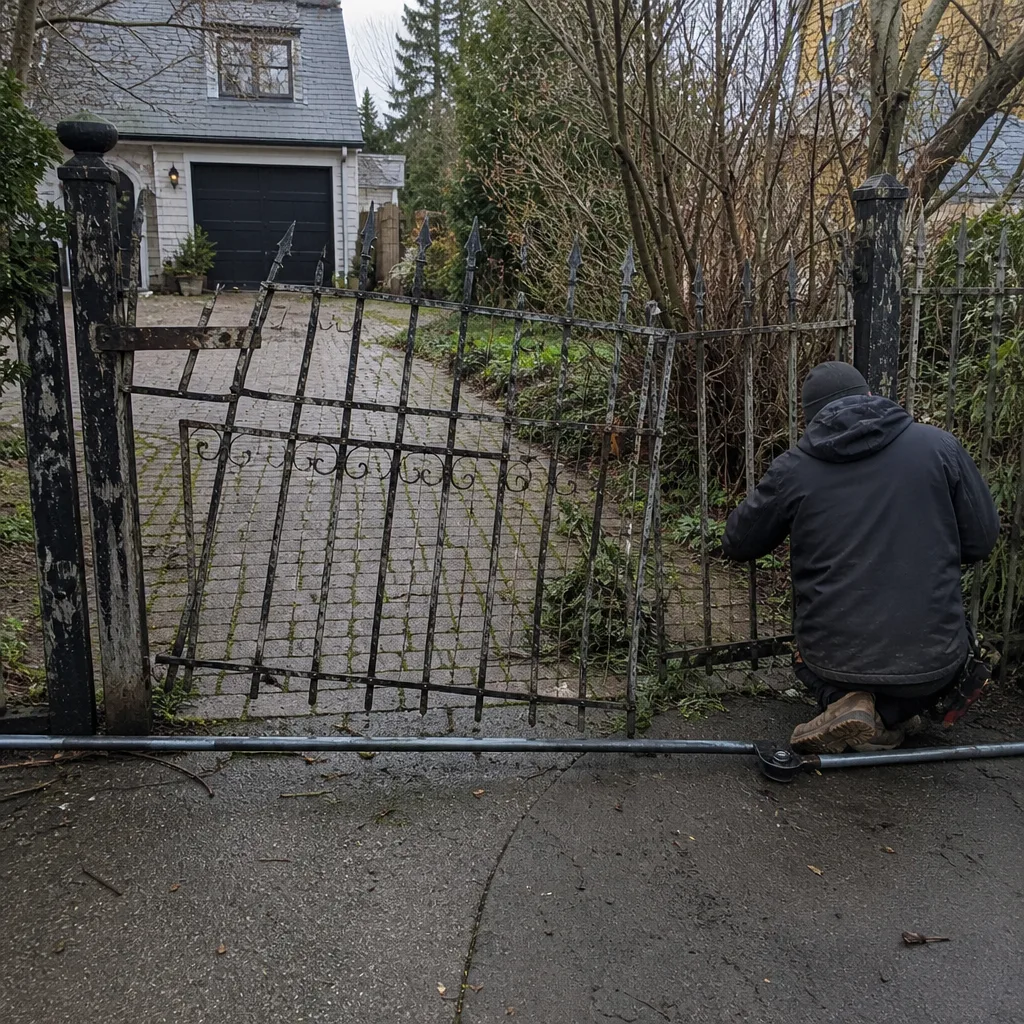 Before
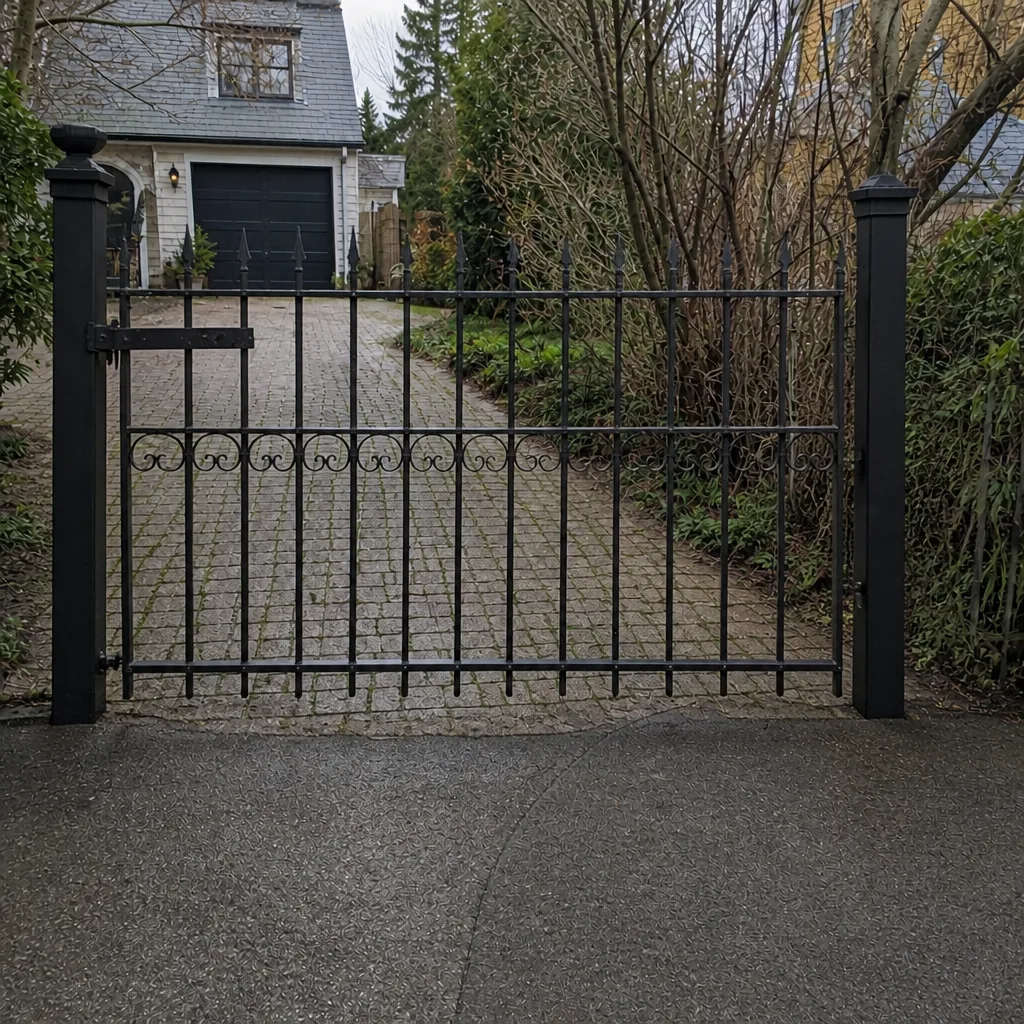 After
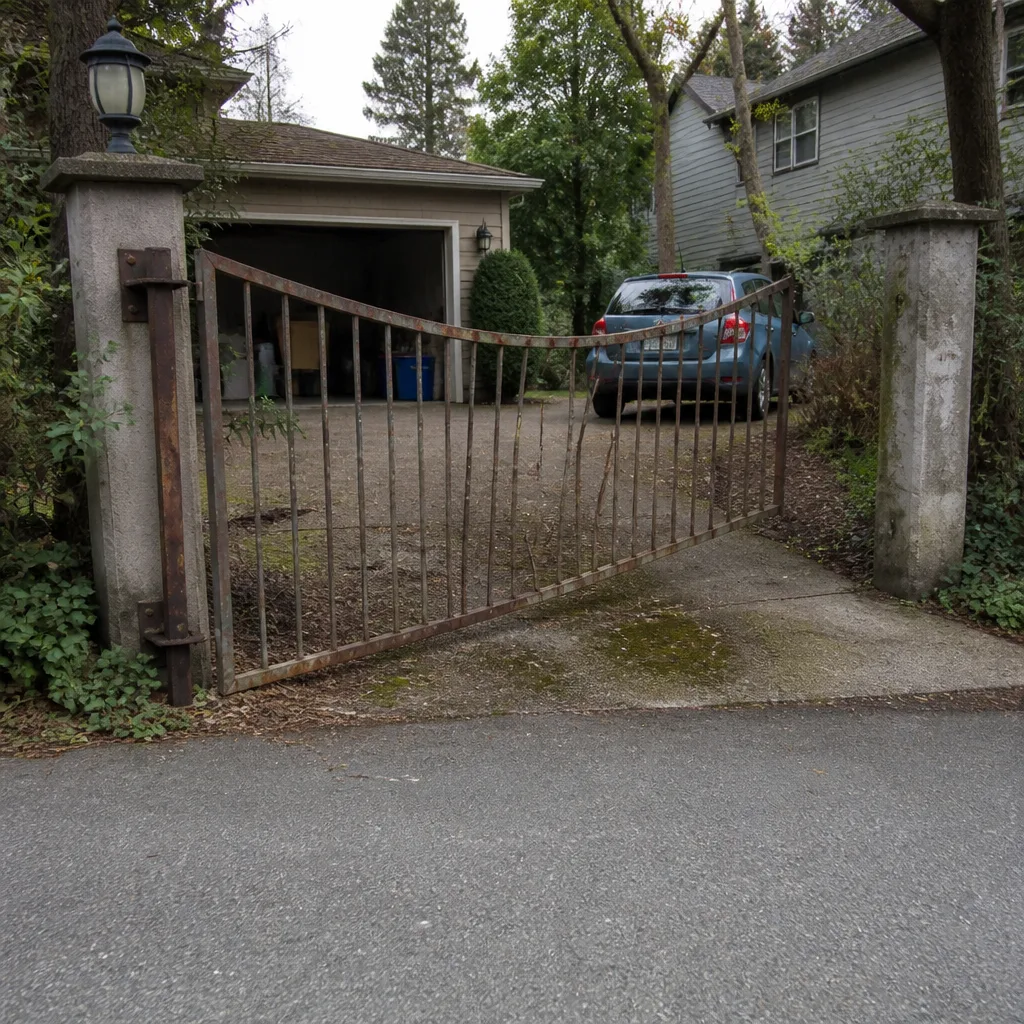 Before
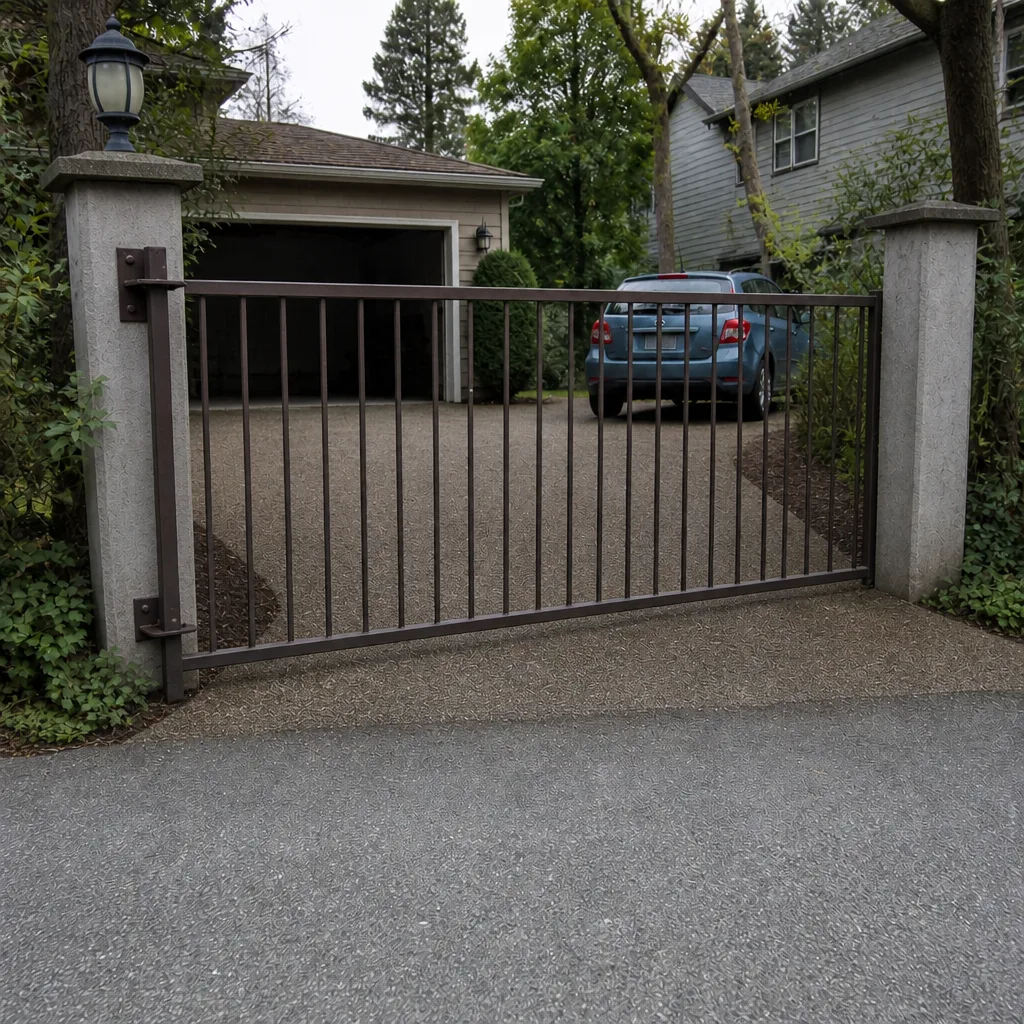 After
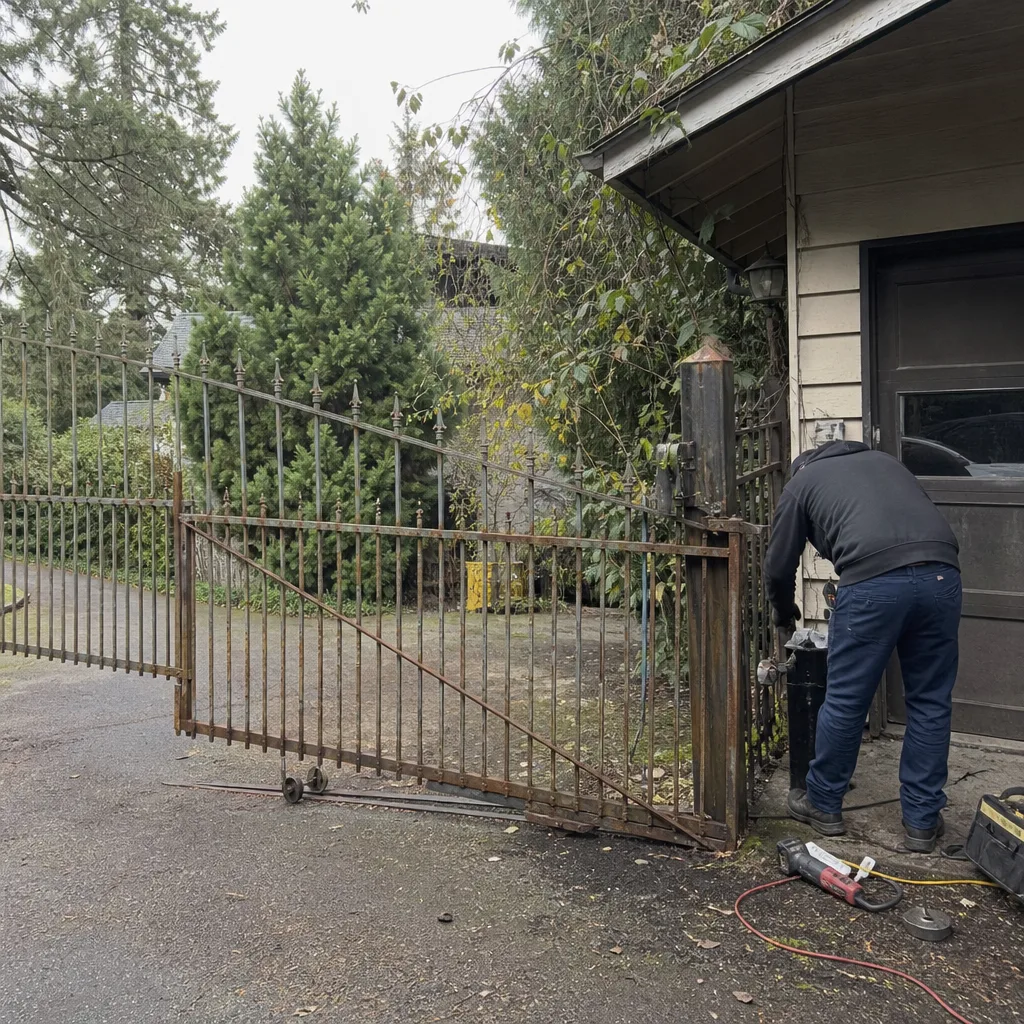 Before
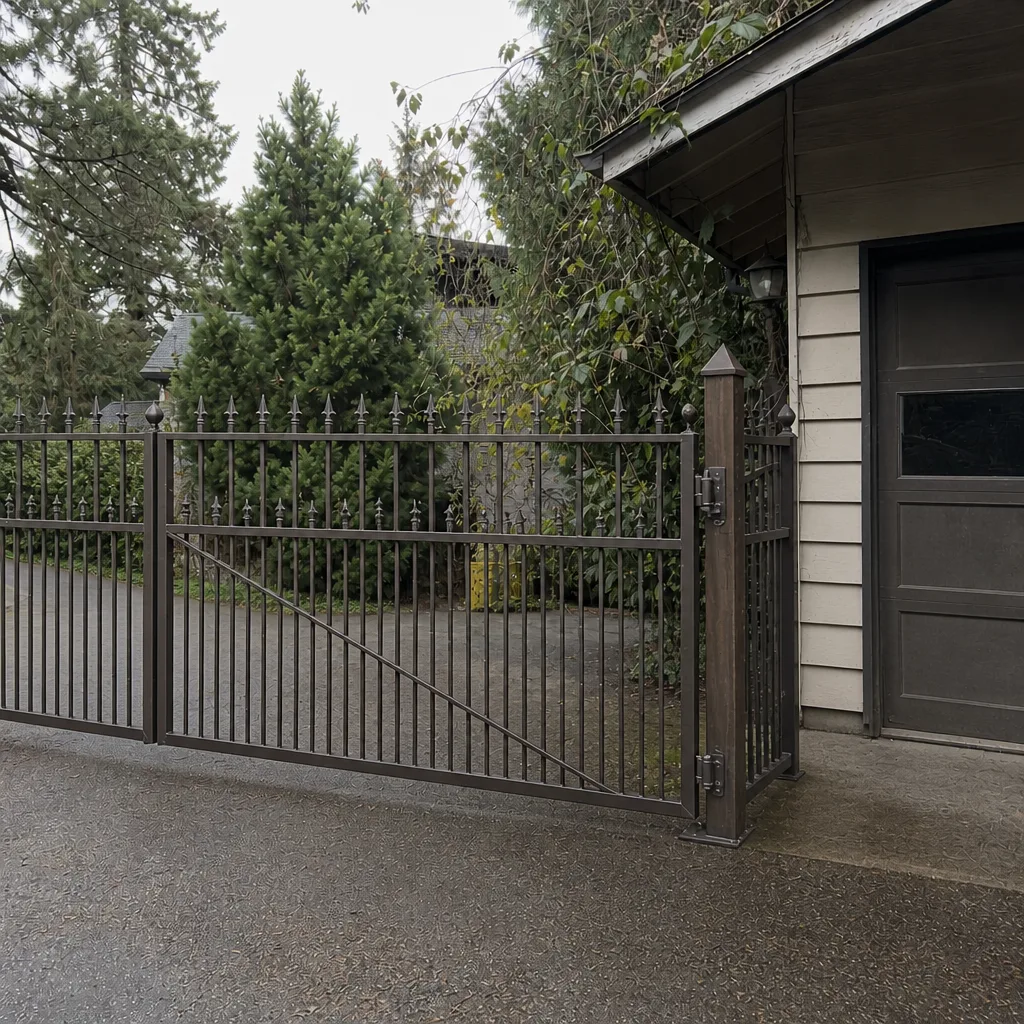 After
When to Call a Professional
Some gate issues are obvious: a gate that won’t open, an operator that clicks but doesn’t move, a control board that shows a fault, or a keypad or intercom that’s stopped accepting credentials. Others are subtler, like a gate that cycles fine but starts failing more often than it should, or a system where the brand’s support has become a constraint. In any of those cases, a trained technician can diagnose the platform you actually have, whether that’s a LiftMaster or a Mighty Mule, and tell you whether repair or replacement is the sensible path. Electric gate repair, including wiring, control boards and motor logic, is genuinely specialist work, and it’s not somewhere to improvise. Gate Repair Multnomah Village offers free estimates in Multnomah Village. Call (833) 508-9284. We answer 24/7. Fast dispatch from 7am to 7pm, Sunday through Friday, and we’re closed Saturday.
Frequently Asked Questions
There’s no single best brand, because the right choice depends on parts availability in the Portland metro, duty cycle for your property, and access-control needs. Brands with strong local distribution and open control architecture tend to age better on total cost. Call (833) 508-9284 for a free estimate and a straight recommendation on the system you actually have.
It’s worth repairing if parts are locally available, the control platform is still supported, and the operator matches your actual use. If the brand has no local support or the control board is no longer serviceable, replacing the operator usually makes more sense. A brand-agnostic technician can make that call honestly. Call (833) 508-9284 to book a free estimate.
We service LiftMaster, FAAC, BFT, Linear, Viking, Ghost Controls, DoorKing, Elite and Mighty Mule, and our technicians have up to 14 years of experience across those platforms. That coverage means we diagnose the installed system rather than steering you toward replacement. Call (833) 508-9284 for an exact quote on your gate.
Yes. Wiring, control boards and opener logic are within scope, and safety edges and other protective devices are part of any access-control setup. That’s specialist work, so we handle it directly rather than handing it off. Call (833) 508-9284 for a free estimate.
Often, yes. Same-day repair depends on the fault and parts availability, and we’ll tell you what’s realistic when you call. We answer 24/7, with fast dispatch from 7am to 7pm, Sunday through Friday. We’re closed Saturday. Call (833) 508-9284 for an exact quote.
Pricing is set per job by a written estimate after we’ve looked at the gate, so the exact figure depends on the fault, the brand and the parts needed. The estimate itself is free, and the price is agreed before any work starts. Call (833) 508-9284 for an exact quote.
The Bottom Line
Brand selection for a Multnomah Village gate is really a long-term cost and support decision, not a features comparison. The brands that hold up at year three and five are the ones with local parts availability, documented technical support, duty ratings that match your actual use, and control architecture that doesn’t lock you into a single service channel. A brand-agnostic approach, with a technician trained across multiple platforms, gives you honest repair-versus-replace guidance and more flexibility when access-control needs change. Use the parts, duty cycle, control board and upgrade-path questions in this guide before you commit to any brand, and you’ll spend less over the life of the gate.
Gate Repair Multnomah Village offers free estimates on repair, installation, motor and opener work and access-control programming across the brands covered in this guide. Call (833) 508-9284. We answer 24/7. Fast dispatch from 7am to 7pm, Sunday through Friday. We’re closed Saturday.
Written by the team at Gate Repair Multnomah Village.