
Last updated November 25, 2026
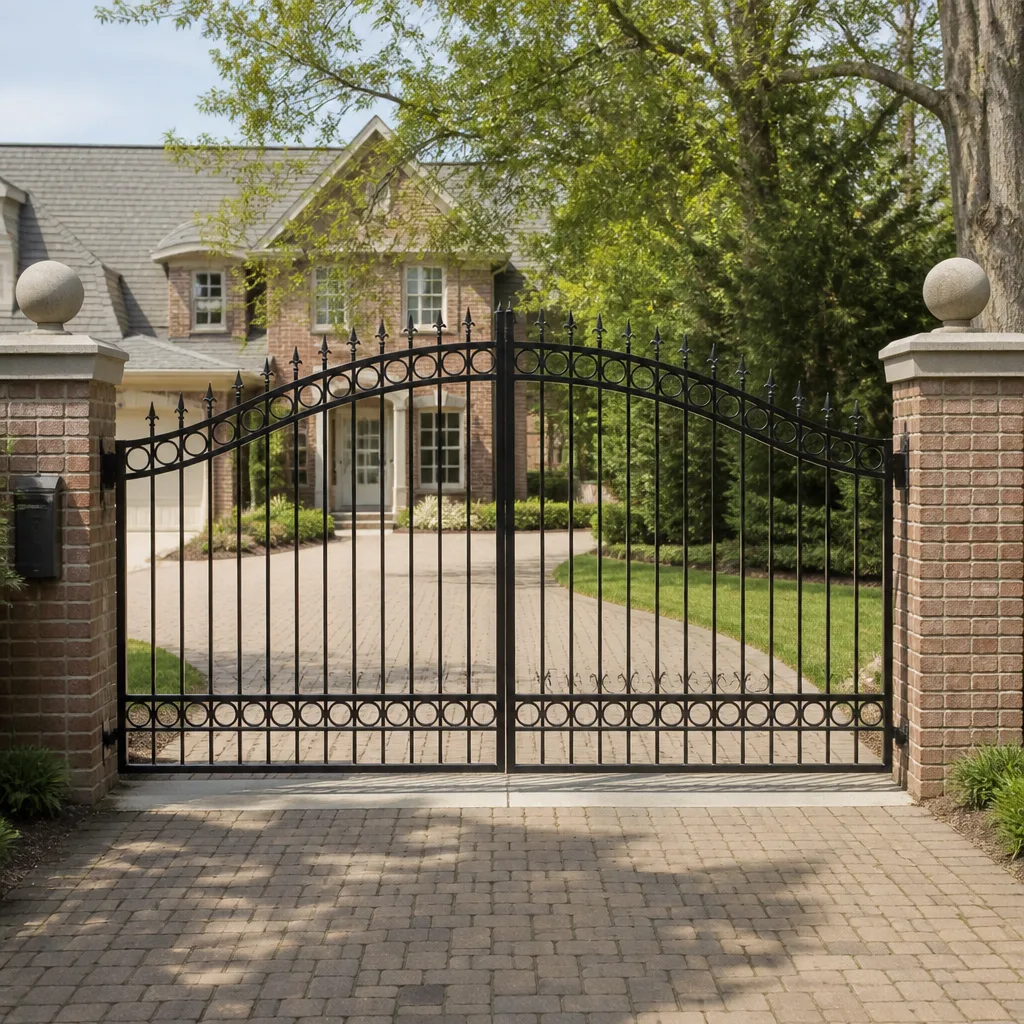 Wrought iron
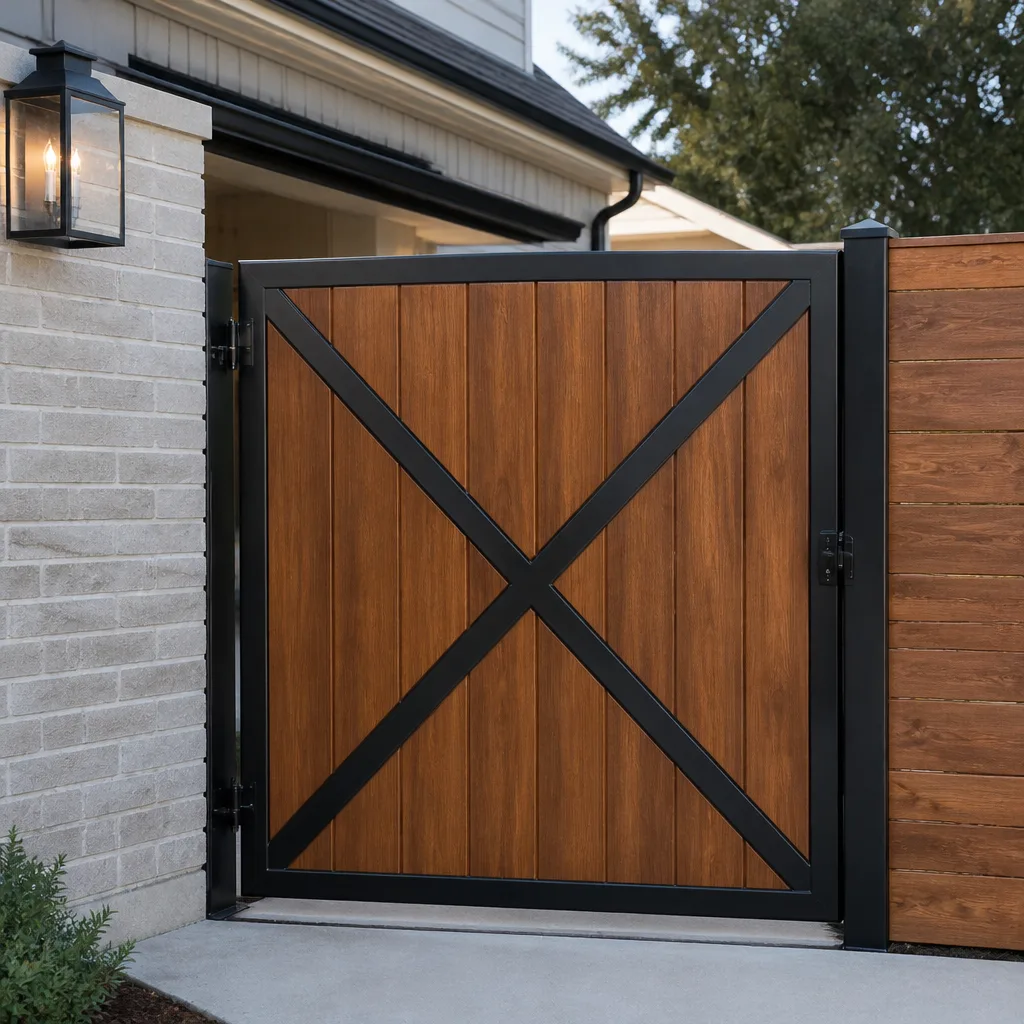 Wood & steel frame
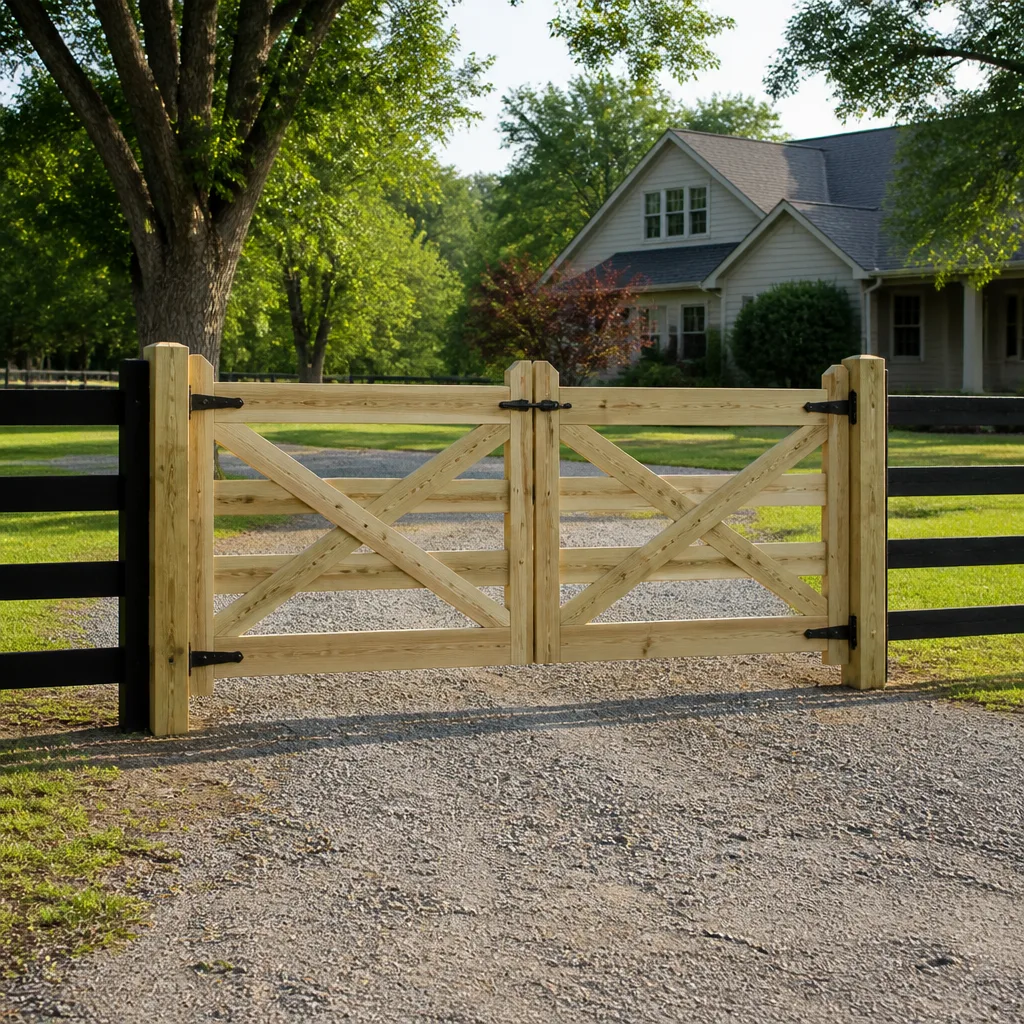 Farm & ranch
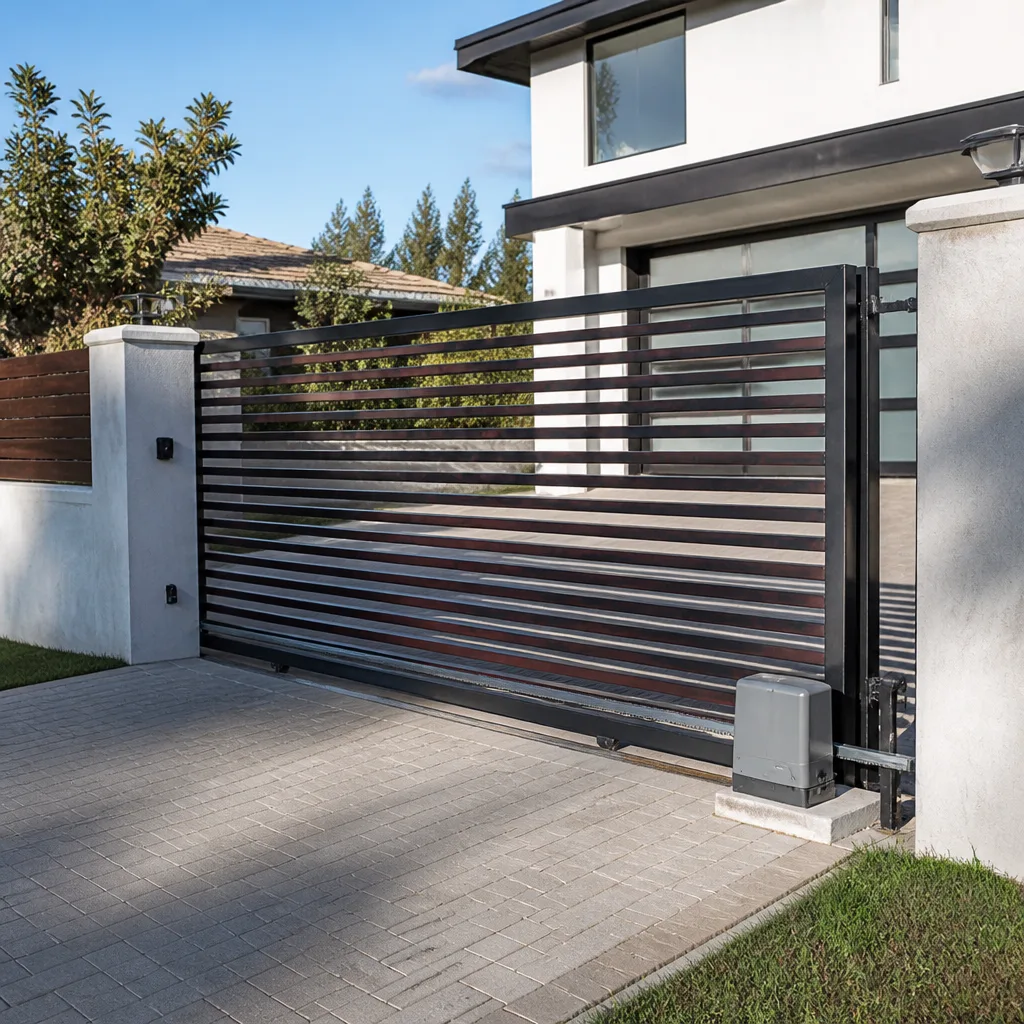 Sliding driveway gates
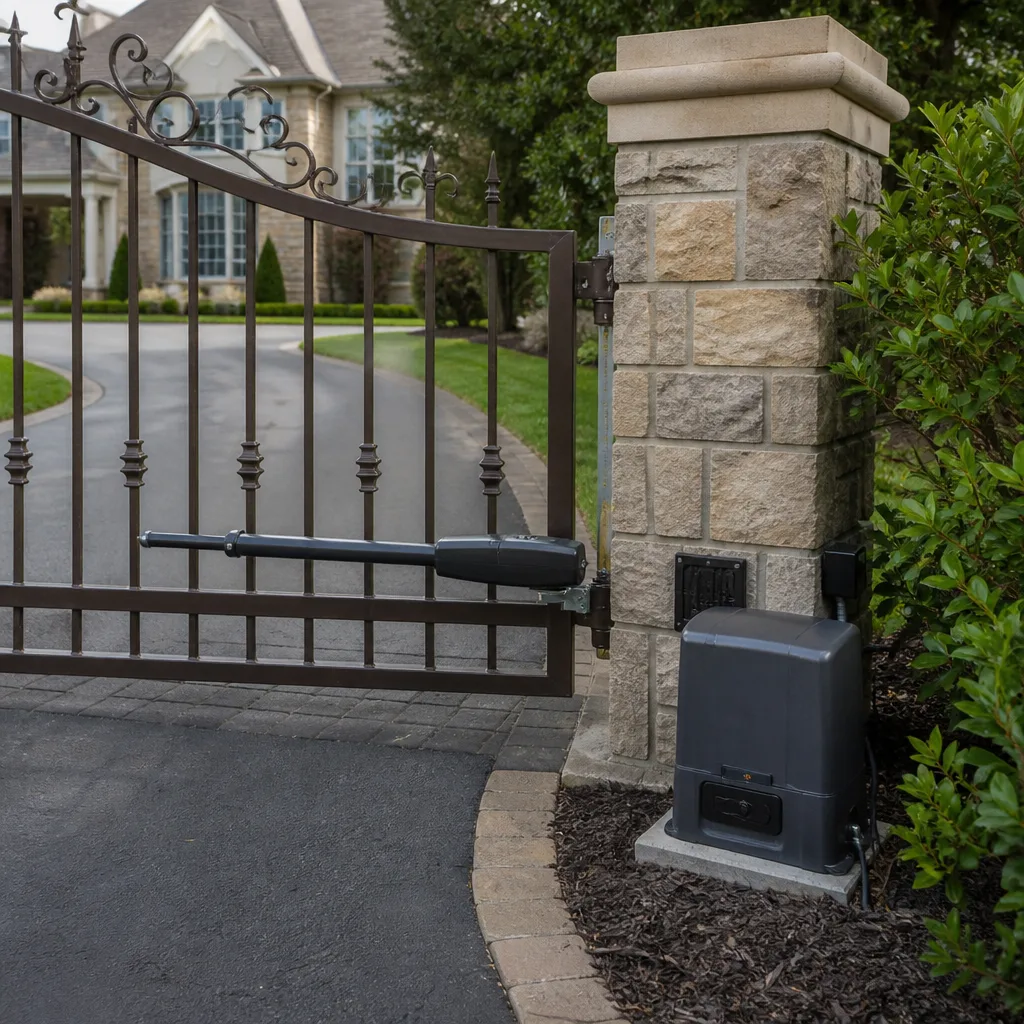 LiftMaster operators
Free on-site gate assessment - hinges, posts, and your LiftMaster or Nice gate operator checked before anything is quoted
The assessment is free and the quote is the invoice.
Get your free estimateThe Complete Guide to Gate Repair in Multnomah Village
The gate technician who replaces a snapped part without checking why it snapped has handed you a future emergency. That’s the part most gate repair advice gets wrong. In Multnomah Village, where driveways climb at grades that flatten most of Portland and the ground stays saturated through the wet months, a single-part fix without a full system inspection tends to fail again in the same way. This guide maps the whole diagnostic chain, from the hinge to the control board, so you understand what a real repair actually covers, what it costs, and how to tell a complete fix from a band-aid. We work on the gate you already have, and we’ll show you how to think about yours.
Quick Answer
Gate repair in Multnomah Village typically costs $250 to $1,400 depending on whether the fault is mechanical, electrical, or both, and most repair visits can be scheduled same day. A complete repair means diagnosing the whole system: hardware, hinges, mounting posts, wiring, and the automation controller, not just the part that visibly broke. The written estimate sets the final price, and it’s quoted and agreed before any work starts.
Styles & brands we work with
- Wrought iron
- Wood & steel frame
- Farm & ranch
- Sliding driveway gates
- LiftMaster operators
Table of Contents
- Why gates fail in Multnomah Village’s terrain and weather
- The three system-level problems most gate failures trace back to
- The difference between a gate that “works” and one that’s correctly adjusted
- Brand-specific failure patterns: LiftMaster, Viking, FAAC, and Linear
- Why electric gate faults often start in the access-control wiring
- What gate repair costs in Multnomah Village
- How to tell a complete repair from a band-aid fix
- What you can safely check yourself and when to stop
Why Gates Fail in Multnomah Village’s Terrain and Weather
Multnomah Village sits in the West Hills, and that geography matters more than most gate guides admit. Driveways here pitch and roll, and a swing gate mounted on any kind of slope puts uneven torque on the hinge points every single cycle. On flat lots, a gate’s weight is distributed predictably. On a grade, gravity loads the downhill hinge harder, the actuator bracket takes a sideways pull it wasn’t designed for, and the whole assembly wears faster than the same gate would six blocks away on level ground. We notice this constantly when we’re called out to properties around Multnomah Village: the gate itself is fine, but the mounts and brackets show the stress of years of sloped travel.
Then there’s the soil. Multnomah Village’s wet season leaves the ground saturated and shifting. Gate posts set into that ground can develop a slow lean over time, and even a small post shift translates into a big alignment problem at the gate leaf. Automation makes it worse: when the posts move a fraction, the operator has to work against the new geometry, straining the motor and the limit switches. That’s why a gate that worked fine for years suddenly stops lining up. It’s rarely that the opener aged out overnight. It’s that the ground under it moved and nobody checked the mounting.
A few local specifics that drive gate wear in Multnomah Village:
- Sloped driveways concentrate load on downhill hinges and actuator mounts, so those parts wear first.
- Saturated soil lets posts settle and lean, which throws the gate out of alignment.
- Wind exposure on hilltop lots adds side load to swing gates and stresses the operator.
- Tree cover and debris in the wooded parts of the neighborhood clog tracks on sliding gates and jam hinges.
- Wet-season freeze of moving parts is uncommon here, but continuous damp does accelerate rust and corrosion on exposed hardware.
None of this is guesswork. It’s the pattern we see across the neighborhood, and it’s why a diagnostic visit in Multnomah Village should always include checking the posts and mounts, not just the motor.
The Three System-Level Problems Most Gate Failures Trace Back To
When a gate stops working, the part that fails is usually the last domino, not the first. In our experience, most failures in Multnomah Village trace back to one of three underlying problems. Fix only the visible domino and you’ll be making the same call again soon.
- Mounting and alignment drift. Posts settle, brackets loosen, hinges wear unevenly. The gate leaf travels out of true, and the operator works against that misalignment until the motor or limit switch gives out. The broken motor is the symptom. The drifted mount is the cause.
- Wiring and connection faults. On automated gates, the most common electric fault isn’t a dead motor. It’s a bad connection in the control wiring, a corroded splice, a loose terminal, or a damaged run from the control box to the operator. When the gate acts “possessed,” moving partially and stopping, the fault usually lives in the wiring or control board, not the mechanical drive.
- Undersized or worn components on a slope. A gate hardware set that would last years on flat ground gets stressed beyond its design on a Multnomah Village grade. Hinges rated for the gate’s weight on level ground are effectively underrated for a slope. That’s why the hardware fails first even when the gate is the “right” size on paper.
Here’s why this matters practically. If your gate opener is a LiftMaster or an FAAC and it keeps tripping out, a technician who only checks the motor will tell you the opener is failing. A technician who traces the whole system will find the tilted post, realign it, re-tension the hardware, and clear the underlying cause. Get your gate working today means fixing the cause, not just the symptom. Our brand-agnostic approach matters here: because we’re trained on competing platforms, we can honestly assess whether a repair or a system upgrade is the right call rather than defaulting to whatever’s familiar.
The Difference Between a Gate That “Works” and One That’s Correctly Adjusted
A gate can open and close on command and still be out of adjustment. That gap is where component life quietly disappears. A correctly adjusted gate travels smoothly, hits its stops cleanly, and puts no unnecessary strain on the operator or the hinges. A gate that “works” but is slightly out of adjustment will still function, and it will still fail early, because every cycle is a small fight between the gate and the geometry it’s traveling through.
Here’s what proper adjustment covers, and what a complete service visit should verify:
- Hinge play: Hinges should hold the gate leaf without slop. Wobble means uneven load on the next part up the chain, usually the operator.
- Mount and post plumb: Posts should be true. A lean, even a small one, means the gate is fighting its own path.
- Operator alignment: The motor and gate arm should be squared to the travel path. Misalignment strains the motor on every cycle.
- Limit and stop settings: The gate should hit its fully open and fully closed positions cleanly, without slamming or over-traveling.
- Track and guide condition on sliding gates: tracks should be clear and level, and rollers should ride without binding.
- Reversing and safety-device function: On an automated gate, safety edges and reversing logic need to be verified, not assumed.
Why does this matter in Multnomah Village specifically? Because the slope and soil here make alignment drift more likely than it would be on flat ground. A gate that’s correctly adjusted today stays correctly adjusted longer when the mounting is checked and corrected against the local grade. An owner who only ever calls after a breakdown is always paying for the failure after it happens. Scheduling an adjustment when something feels “off” is cheaper than replacing a motor the misalignment wore out.
Brand-Specific Failure Patterns: LiftMaster, Viking, FAAC, and Linear
Gate openers from different manufacturers fail in different ways. Knowing the patterns helps you understand what a technician is looking for, and it’s why a brand-agnostic diagnosis matters. Our technicians have up to 14 years of experience and are trained on nine major automation brands, including LiftMaster, FAAC, and Viking, so we work on the gate you already have rather than steering you toward a replacement for a brand we can’t diagnose.
Here’s what we’ve learned about each platform’s typical weak points:
LiftMaster
LiftMaster’s residential and light-commercial gate operators are common in Multnomah Village, and they’re generally reliable. When they fail, we often find the fault in the control board or the limit settings rather than the motor. A LiftMaster that moves partway and stops usually has a limit-switch or wiring issue, not a dead drive. The board and wiring are worth checking before anyone tells you the opener is shot.
Viking
Viking operators are known for solid mechanicals, but exposed hardware on a sloped, wet-season driveway around Multnomah Village can wear. Hinge and bracket wear on a Viking-mounted gate often shows up as sloppy travel and noisy operation before the operator itself complains. Catching that early saves the motor.
FAAC
FAAC makes a range of swing and slide operators used widely on residential gates. On FAAC systems, we often see wiring and connection faults and adjustment drift rather than outright motor failure. FAAC units reward proper limit and travel settings, and a misadjusted FAAC on a slope will strain faster than a well-adjusted one.
Linear
Linear operators show up on both residential and light-commercial gates. Their failure pattern tends toward control-side issues and worn moving parts, especially where a gate has drifted out of alignment. The mechanicals track the gate’s adjustment, so fixing the geometry protects the drive.
The point of mapping these patterns is straightforward. A technician trained on competing platforms can tell you honestly whether a LiftMaster control board is the problem or whether a Viking hardware set has worn from slope stress, and whether the right call is a targeted repair or an upgrade. We work on the gate you already have, and we’re not locked into selling you a specific brand.
Why Electric Gate Faults Often Start in the Access-Control Wiring
When an automated gate acts up, most people assume the motor is failing. In our experience, the fault more often lives in the wiring and control logic that tell the motor what to do. The control wiring is the nervous system of the gate: it carries power, signals from keypads and intercoms, and the safety-device signals that keep the gate from closing on something in its path. Any weak link in that system produces symptoms that look like motor failure but aren’t.
Common culprits in Multnomah Village, where wet-season damp and shifting ground stress outdoor wiring runs:
- Corroded splices and terminals in the control box or along the operator run.
- Damaged underground wire runs where soil movement or settling has pinched or cut them.
- Loose connections at the keypad or intercom that interrupt the open signal.
- Failed safety edges or reversing sensors that leave the gate refusing to close.
- Control board faults where a component has failed even though the motor is healthy.
This is why electric gate repair needs to cover wiring, control boards, and opener logic, not just the mechanical drive. A gate that opens halfway and reverses, or one that won’t respond to the keypad at all, is often a wiring problem, and a complete diagnosis goes straight to the control system. If you’re troubleshooting an automated gate and the motor seems fine but the gate misbehaves, the access-control chain is where we look first. Repairing the wiring and control path is the only way to clear the fault for good rather than resetting it every few weeks.
What Gate Repair Costs in Multnomah Village
Gate repair in Multnomah Village typically runs $250 to $1,400, and the written estimate sets the final price before any work starts. The lower end covers a mechanical adjustment or a hinge and hardware fix. The higher end covers electrical and control repair, including wiring faults and control board work. Here’s a rough breakdown of line items, so you can see where your estimate might land.
- Mechanical adjustment or realignment: typically $250 to $450.
- Hinge, bracket, or hardware replacement: typically $300 to $600.
- Gate arm or operator mechanical repair: typically $400 to $800.
- Wiring and connection fault repair: typically $350 to $900.
- Control board diagnosis and repair: typically $500 to $1,200.
- Electrical plus mechanical combined repair: typically $700 to $1,400.
These are typical estimates, not fixed prices, and the exact number depends on the gate, the brand, and what the diagnosis finds. We quote and agree the written price before any work starts, so there’s no surprise on the invoice. If the diagnosis points to a larger system problem, we’ll explain the repair options and let you decide. For an exact figure, call (833) 508-9284 for a free estimate. If your gate needs a new opener or a full gate motor & opener replacement, the cost sits above a repair, and we’ll walk you through both paths.
How to Tell a Complete Repair From a Band-Aid Fix
A band-aid fix replaces the failed part and sends you on your way. A complete repair finds out why the part failed and corrects the cause. The difference shows up months later, and it shows up hard. Here’s how to tell which one you’re being offered:
- Was the mounting and alignment checked? If the technician replaced a motor without checking the posts, hinges, and travel path, the new motor will wear the same way the old one did. A complete repair starts at the mounting.
- Was the wiring and control system tested? If the fault was electrical, a complete repair traces the whole control path, not just the connector that looked loose.
- Was the entire gate system inspected? Hinges, brackets, stops, safety devices, and the operator should all be checked. A proper diagnosis is system-wide.
- Did the technician explain why it broke? A complete repair diagnoses the cause, not just the symptom. If nobody can tell you why the part failed, be suspicious.
- Did they recommend a repair versus an upgrade honestly? Sometimes a repair is right, sometimes an upgrade is. A brand-agnostic diagnosis gives you an honest answer rather than a sales pitch.
- Was the price quoted and agreed upfront? A complete repair comes with a written estimate before the work begins, not a bill after.
- Were the safety devices verified? On any automated gate, the reversing and safety devices should be confirmed working after the repair.
Our approach is full-scope, from the hinge to the control board, and single-trade: every visit is a gate visit. We diagnose the actual system rather than recommend replacement to work around a brand we don’t know. That’s how a complete repair avoids the repeat service call. If you’re weighing repair against a larger job, the gate installation page explains what a full replacement involves, and a proper diagnosis will tell you when a rebuild makes more sense than another repair.
What You Can Safely Check Yourself and When to Stop
Some gate checks are safe for a homeowner. Others are genuinely dangerous, and knowing the line matters. This section covers both: the basic inspection that’s safe to do, and the points where you should stop and call a professional.
Safe to check on your own:
- Visible debris in the track (on sliding gates) or around the hinges.
- Obvious physical damage to the gate leaf, and whether anything is visibly loose.
- Whether the gate moves smoothly by hand, with the power off, if the manufacturer permits manual operation.
- Whether the keypad or remote responds and whether the response is consistent.
Stop and call a professional if you find any of the following:
- Exposed or damaged wiring anywhere in the system, especially on the operator or control box.
- A gate that reverses unpredictably or won’t close, which points to a safety-device fault.
- Gate panels or heavy leaves that are out of alignment and could crush or fall.
- Signs a sliding gate is off its track and could come loose.
- Any work on the control board, safety edges, or electrical connections.
Automated gates carry real hazards: heavy panels that can crush, and operator wiring that carries power. A real expert flags the danger rather than walking you through a risky repair. If you’ve checked the debris and the obvious stuff and the gate is still off, that’s the point to stop. Call us for a diagnosis rather than trying to reset or adjust the system yourself.
Common Mistakes to Avoid
- Replacing the whole operator when the fault is wiring. We often find the motor healthy and the control wiring at fault, and replacing the opener fixes nothing. Check the wiring first.
- Skipping the mounting check. On Multnomah Village slopes, a drifted post or loose bracket is usually the root cause of motor wear. Fix the mounting or the new motor fails the same way.
- Replacing a part without finding out why it broke. The failed part is the symptom. A repair that doesn’t diagnose the cause is a repeat service call waiting to happen.
- Ignoring adjustment drift. A gate that “works” but is slightly out of adjustment is still wearing out the parts. Don’t wait for the breakdown.
- Calling a generalist for a gate-specific problem. Gate openers and access-control systems are their own specialty, and a technician who mostly handles garages may not have the diagnostic depth for a gate.
- Continuing to run a gate with a faulty safety device. A gate that won’t reverse is a hazard. Stop using it and get it checked.
- Skipping the written estimate. Always get the price quoted and agreed before work starts, so the invoice matches the quote.
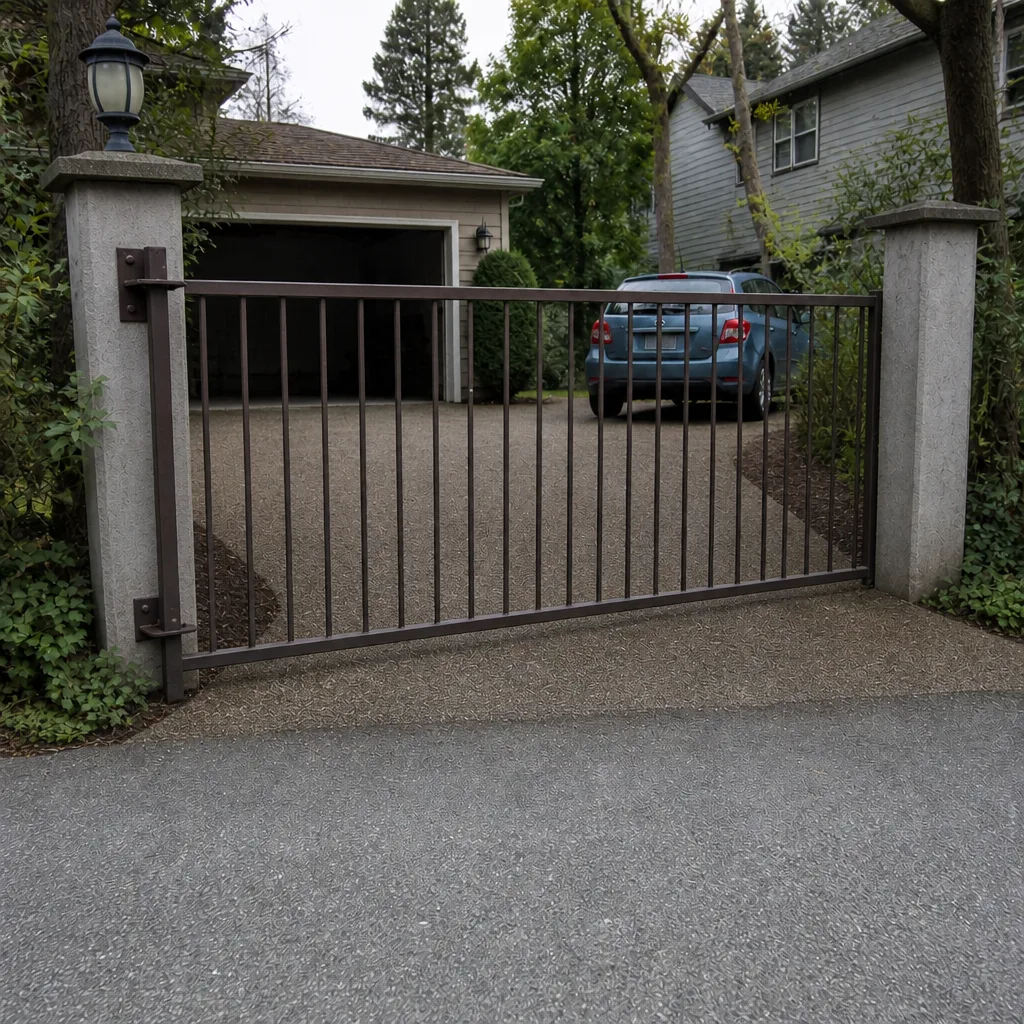
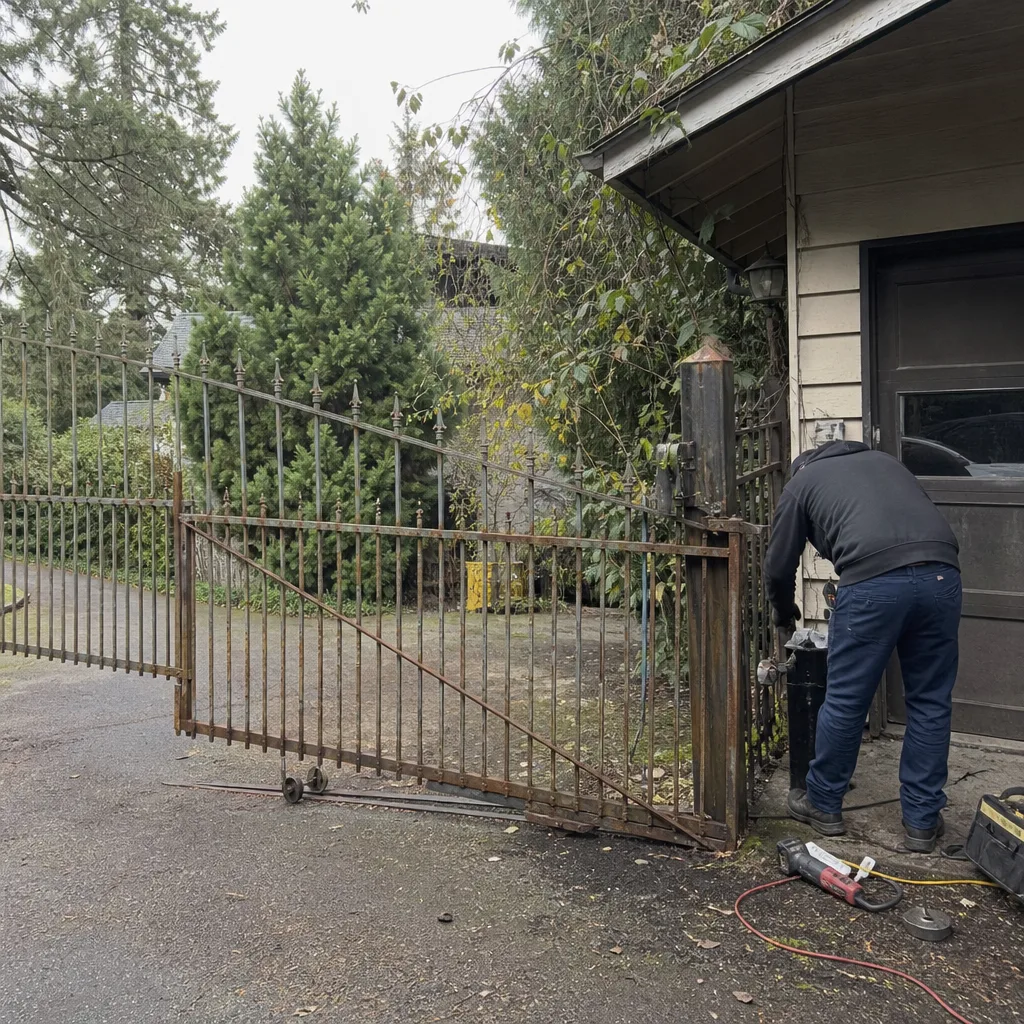
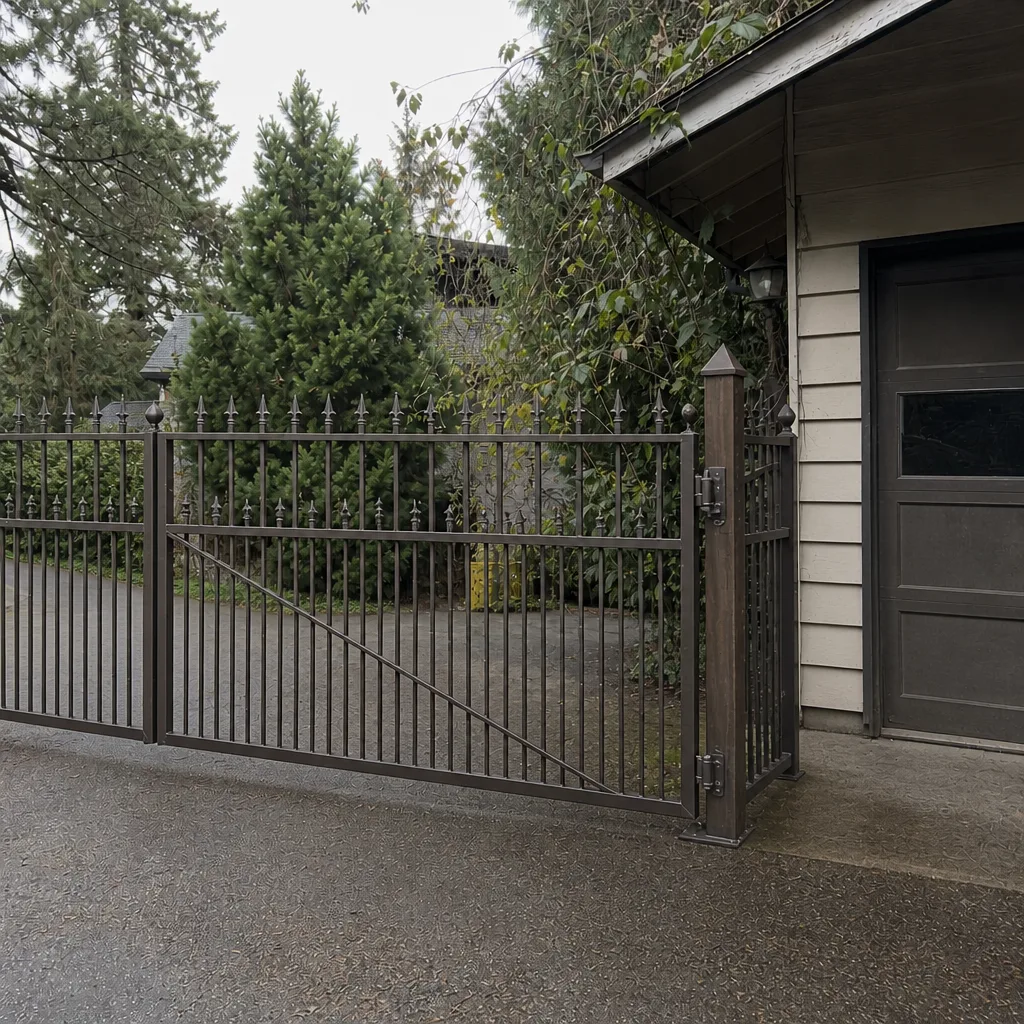
See the difference
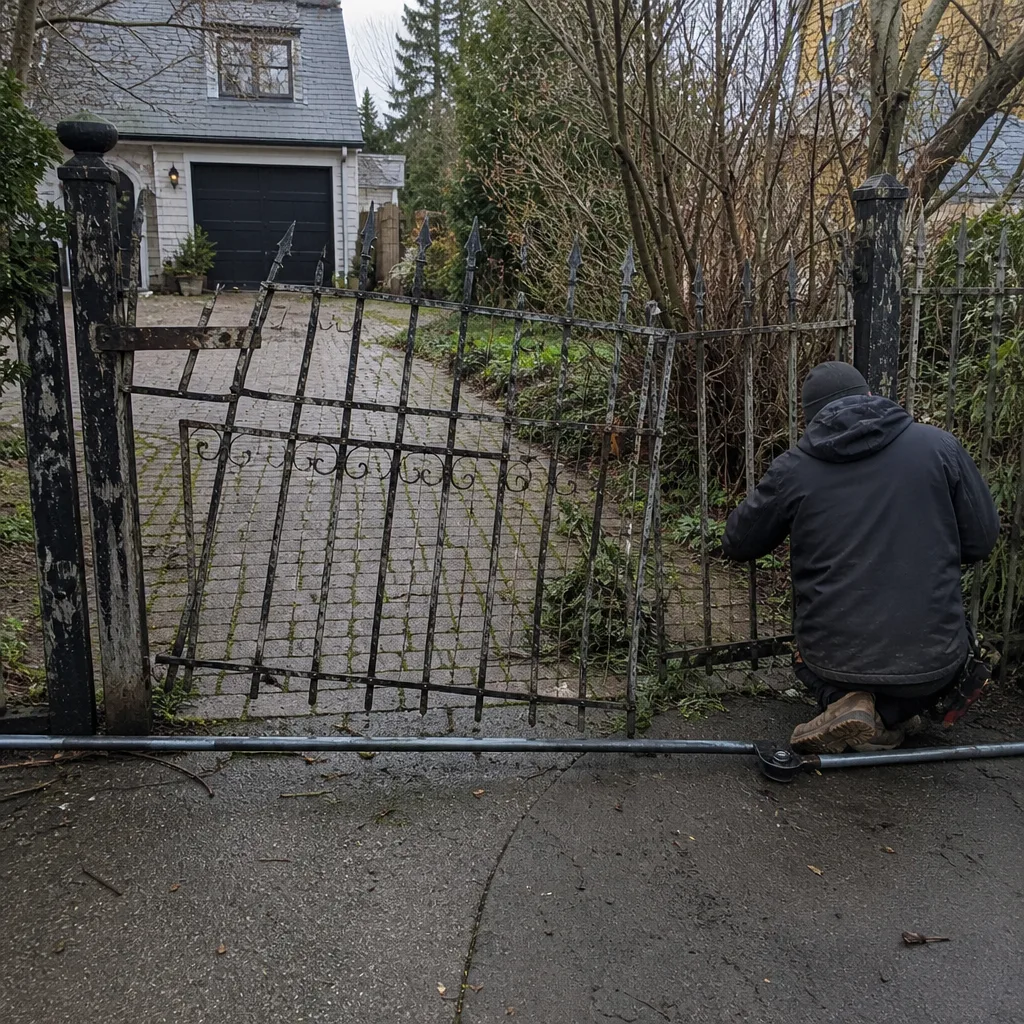 Before
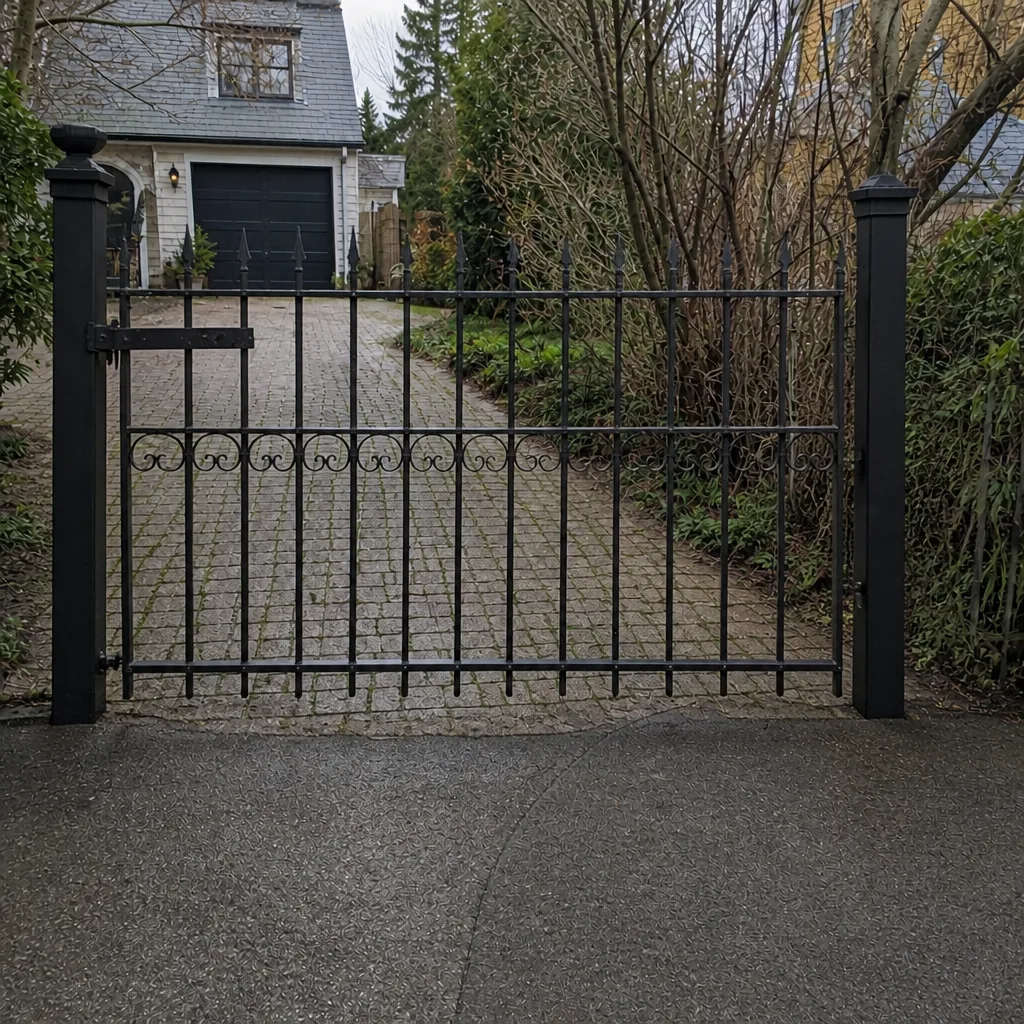 After
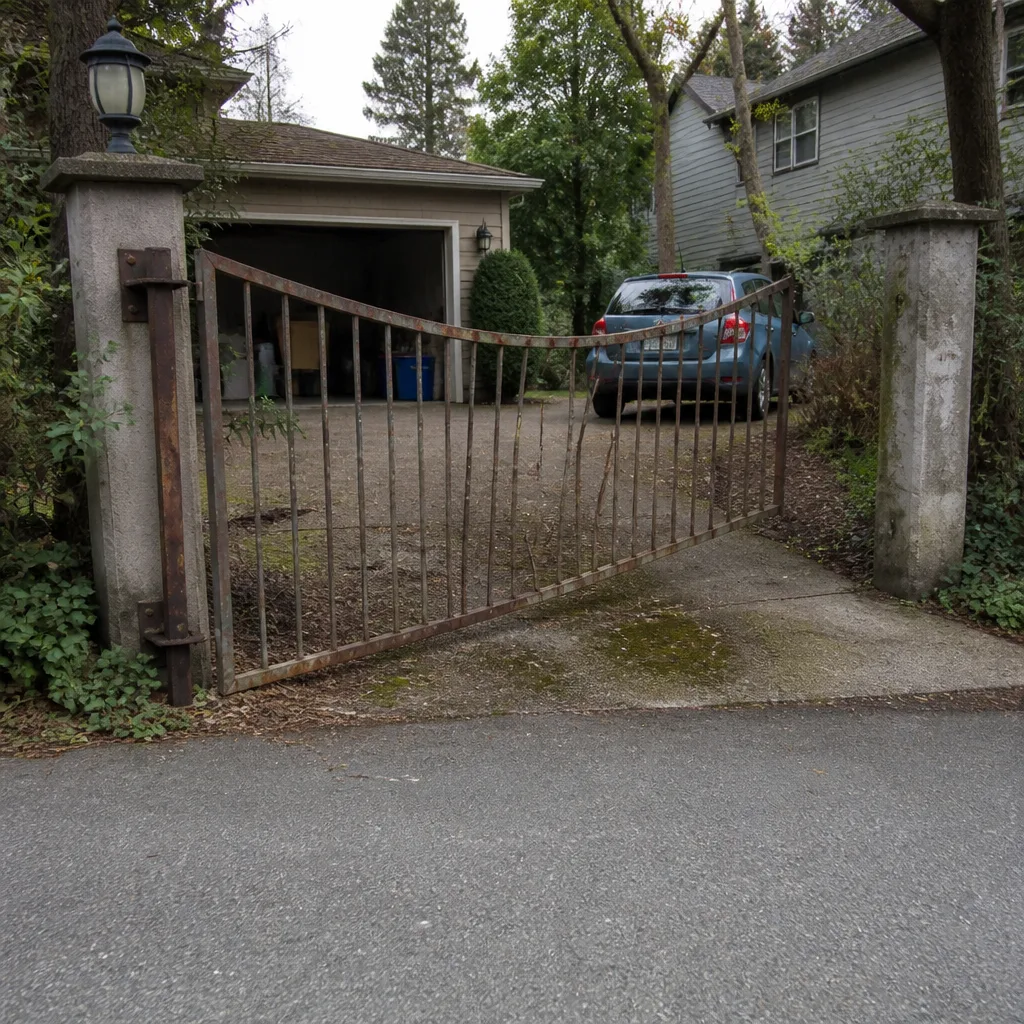 Before
 After
 Before
 After
When to Call a Professional
Call a professional when the gate involves the control system rather than something obvious and safe to check. That includes any exposed or damaged wiring, a gate that reverses unpredictably or won’t close, a heavy gate panel that’s out of alignment, a sliding gate that’s off its track, or a gate that has stopped responding to the keypad or remote. It also includes the case where the visible part is fine but the gate still misbehaves: the fault is likely in the wiring or control board, and tracing that requires a trained technician. If you want a real diagnosis of the whole system rather than a part swap, we handle the full scope, from hardware to controller. Gate Repair Multnomah Village offers free estimates in Multnomah Village. Call (833) 508-9284. We answer 24/7, and fast dispatch runs 7am-7pm.
Frequently Asked Questions
Gate repair in Multnomah Village typically costs $250 to $1,400, depending on whether the fault is mechanical, electrical, or both. Mechanical fixes sit at the lower end, and control and wiring work sits higher. The written estimate sets the final price before any work starts. Call (833) 508-9284 for an exact quote, estimates are free.
Most electric gate repair visits in Multnomah Village can be scheduled same day. Wiring faults, control board issues, and mechanical problems are all within scope for a same-day visit when the schedule allows. We answer 24/7, and fast dispatch runs from 7am to 7pm. Call (833) 508-9284 to get your gate working today.
Yes, we handle the power run, safety edges, and control wiring as part of electric gate repair. Those are the parts of the system most likely to fail, and they sit within our full-scope gate work. We diagnose the wiring and control path rather than assuming the motor is at fault. Call (833) 508-9284 for an estimate.
In most cases, yes. Our technicians are trained on nine major automation brands, including LiftMaster, FAAC, Elite, and Mighty Mule, so we work on the gate you already have. We diagnose the actual installed system rather than recommending a replacement for a brand we don’t know. Call (833) 508-9284 and tell us the brand and model.
A repair corrects the fault in the existing system, from the hinge to the control board. A replacement is a bigger job, appropriate when the system is beyond economic repair or a full reinstall is the better path. We’ll give you an honest read on which makes sense for your gate and explain both options. Call (833) 508-9284 for a free estimate.
We don’t offer maintenance plans or service contracts. Maintenance on a gate is a one-time visit, priced per job after we look at the gate. When something needs adjusting or checking, you call, we look, and we quote the work. Call (833) 508-9284 to book a visit.
Stop using the gate and call a professional. A sliding gate that’s off its track or a heavy panel that’s loose can cause injury, and it needs a trained technician to assess it safely. Don’t try to force it back into position yourself. Call (833) 508-9284 and we’ll schedule a visit.
The Bottom Line
Most gate failures in Multnomah Village trace back to mounting drift, wiring faults, or undersized components under slope stress, not the part that visibly broke. Fixing only the symptom guarantees a repeat call. A complete repair checks the mounting, tests the wiring and control system, and diagnoses why the part failed, which is the difference between a repair that lasts and a band-aid that doesn’t. Whether your opener is a LiftMaster, FAAC, or Mighty Mule, we work on the gate you already have, from the hinge to the control board. Get the diagnosis right the first time.
Gate Repair Multnomah Village handles repair, new installation, motor and opener service, and access control. Start with Gate Repair Multnomah Village and we’ll point you to the right service, or read gate repair for a closer look at the repair process. If your gate needs a new opener, we cover gate motor & opener service and programming. Call (833) 508-9284 for a free estimate. We answer 24/7, and fast dispatch runs 7am-7pm.
Written by the team at Gate Repair Multnomah Village.